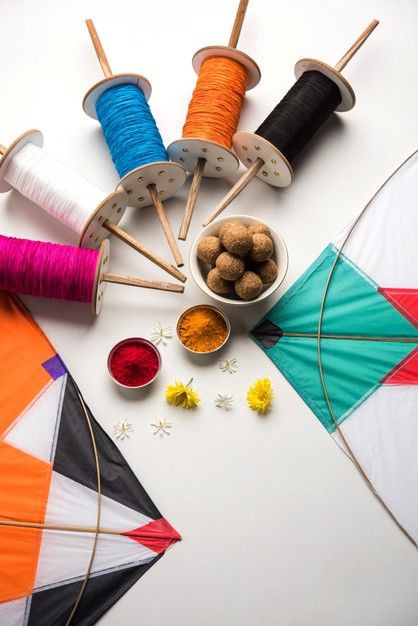
“Makar Sankranti” has great cultural, historical and spiritual significance, which is only enhanced by the sheer variety it takes in a country rich in diversity.
Makar Sankranti marks the first day of the sun’s transit into Makara (Capricorn zodiac sign), marking the end of winter and the beginning of warmer and longer days. If Sankranti Chaturthi falls on Tuesday, it is called “Angarki Chaturthi” and is considered highly auspicious.
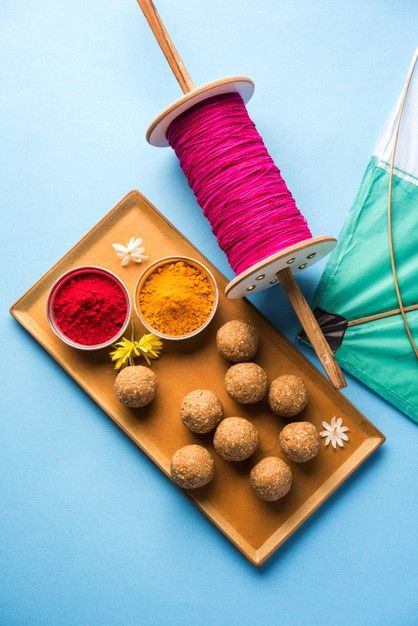
Makara Sankranti is the only Indian festival that is celebrated according to solar cycles, while most festivals follow the lunar cycle of the Hindu calendar. Hence, it almost always falls on the same Gregorian date every year (14th January), and rarely does the date shift by a day or so.
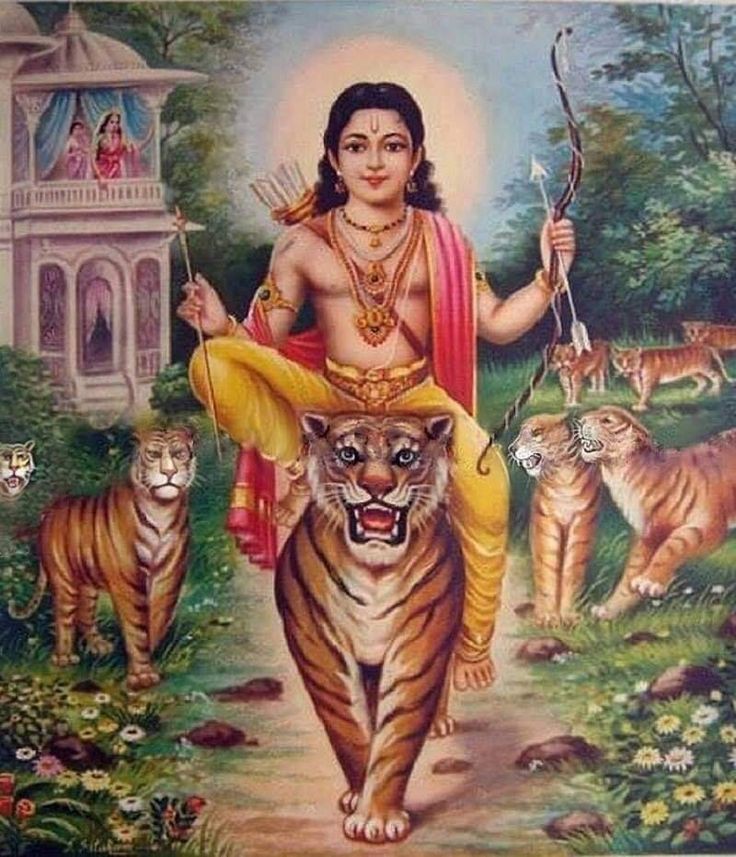
The Lord Ayyappa Legend
Lord Ayyappa’s father King of Panadala – Rajashekara (291 CE) upon realizing that his son is divine wanted to build a temple in his honour. Ayyappa took out an arrow from his quiver and asked his father to construct a temple at the spot where the arrow fell. Arrow fell on Sabarimala. The great sage Parasuram disguised himself as a sculptor and gave an image of Ayyappan to the king to place in the temple. Parasuram asked him to open the temple on Makar Sankranti day. Lord Ayyappa himself light the lamp in the temple on this day and merged with image with a huge burst of light.
Bhishma the legend
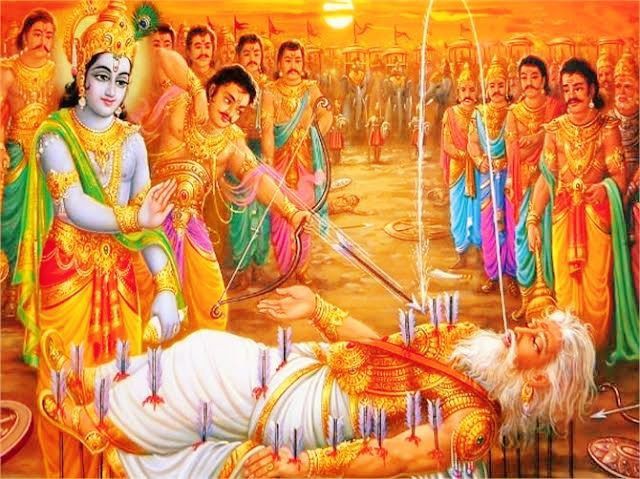
The Mahabharata Legend dating back to 3102 BC
Great warrior of the Mahabharata, Bhishma, fell to the arrows of Arjuna, choose the time of his death according to his free will. He was lying on the bed of arrows for almost a month, till the day of Makar Sankranti to leave his mortal self.
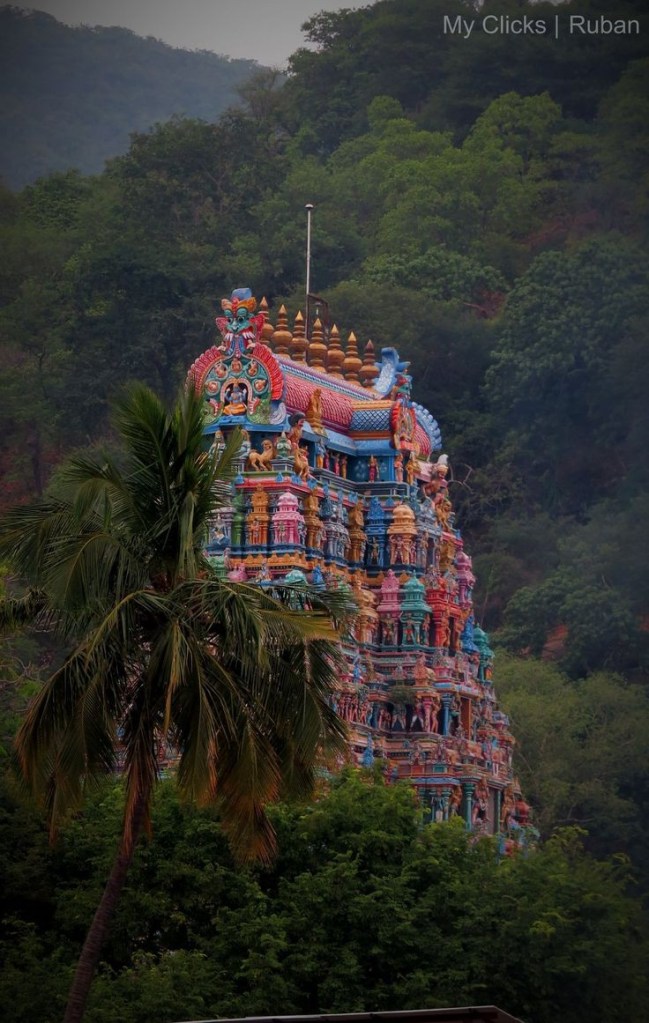
The Lord Krishna Legend
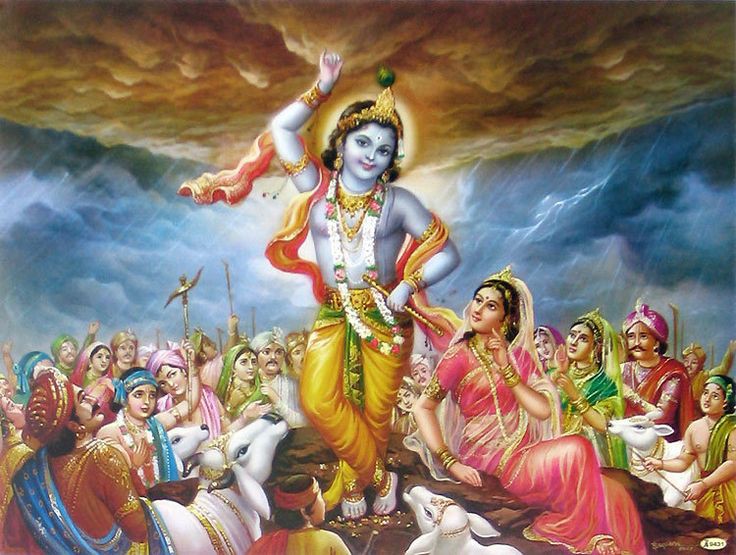
To protect the farmers and their cattle from thunder, lightning, rain and floods., Lord Krishna lifted the Govardhan Mountain on his last finger and stopped the havoc. The vane Indra, realizing his mistake begged for Lord Krishna s forgiveness and Lord Krishna in turn granted the worship of Indra on Bhogi day.
Sankranti is celebrated in almost all parts of India with distinct names. Here are some examples.
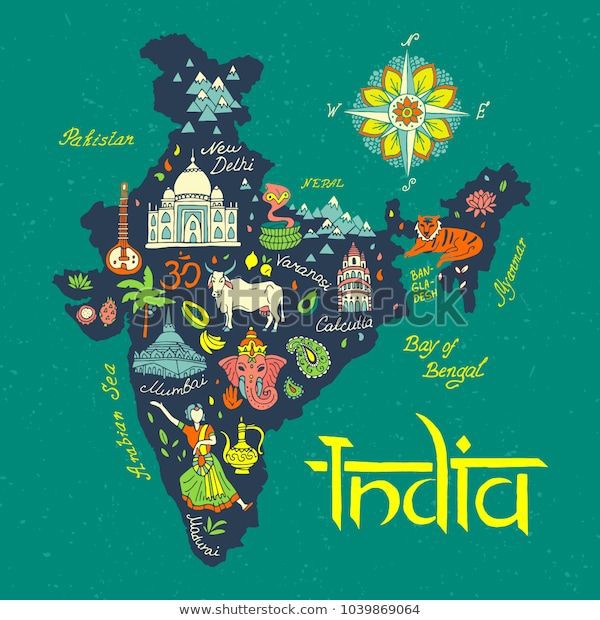
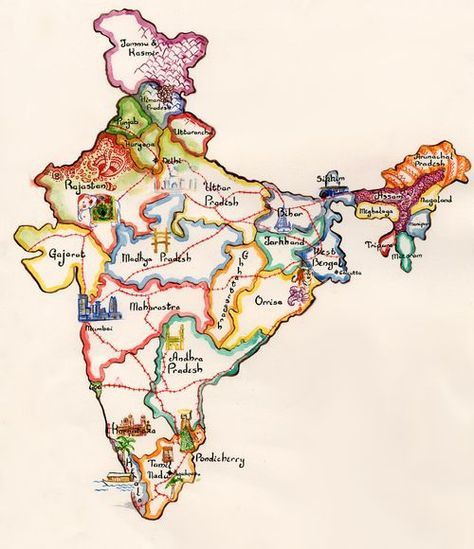
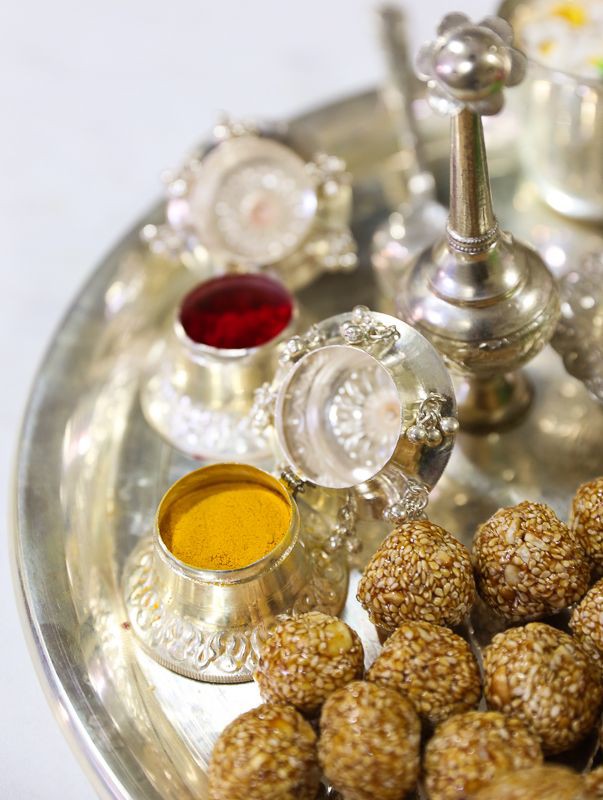
- Thai Pongal (Tamilnadu)
- Uttarayan (Gujarat)
- Lohri (Punjab)
- Poush sôngkrānti (Bengal)
- Suggi Habba (Karnataka)
- Makara Chaula (Odisha)
- Maghi Sankrant (Maharashtra and Haryana)
- Magh/Bhogali Bihu (Assam)
- Shishur Saenkraat (Kashmir)
- Khichdi Parv (UP and Bihar)
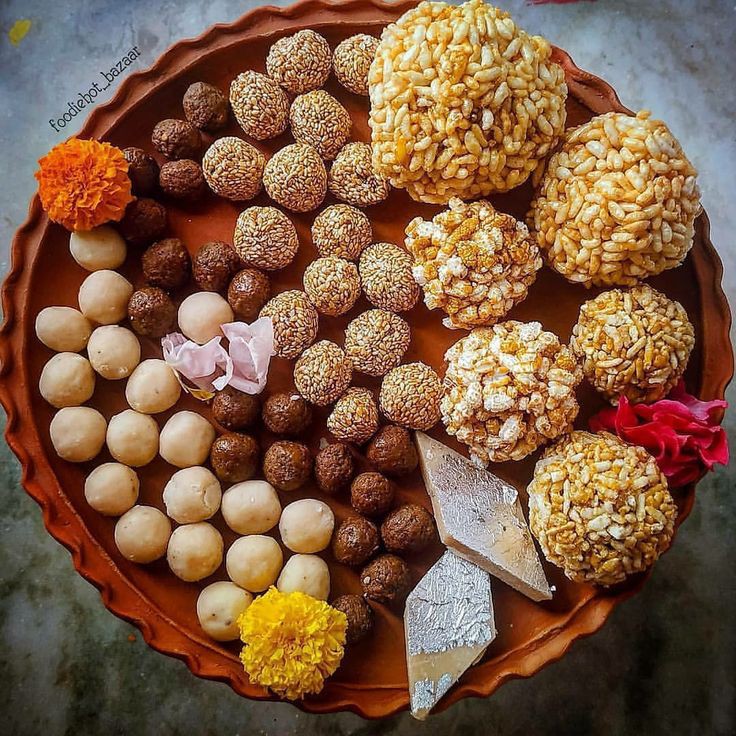
Is there any other Indian festival that has such variety in just the name?
 EliteExtant
You must be logged in to post a comment.