Makar Sankranti, also known as Uttarayan, is one of the most vibrant and culturally significant festivals celebrated in India. It marks the transition of the sun into the zodiac sign of Capricorn (Makara) and signifies the end of the winter solstice. This auspicious day falls on the 14th or 15th of January every year, depending on the Hindu lunar calendar. Makar Sankranti is celebrated with great enthusiasm and diverse traditions across the country, making it a unique and colorful spectacle of unity in diversity.
- The Cultural Diversity of Makar Sankranti
One of the remarkable aspects of Makar Sankranti is its cultural diversity. It is celebrated with different names and traditions in various parts of India. Here are some of the regional variations:
a. Uttar Pradesh: In the northern state of Uttar Pradesh, this festival is known as Khichdi Parv. People take holy dips in the Ganges and prepare a special dish called khichdi, made with rice and lentils, which is offered to the deities and then distributed among the poor.
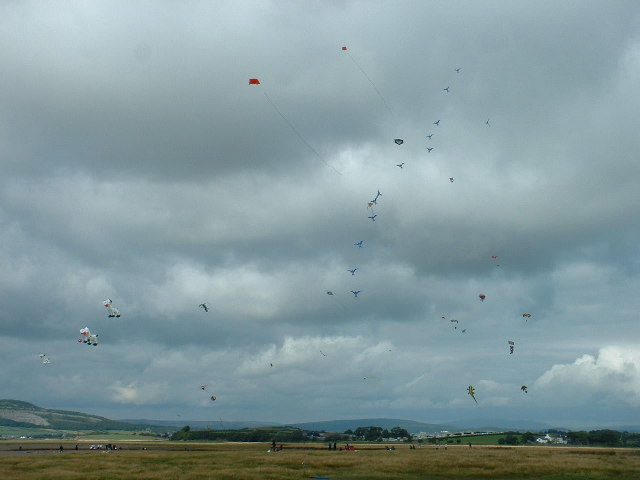
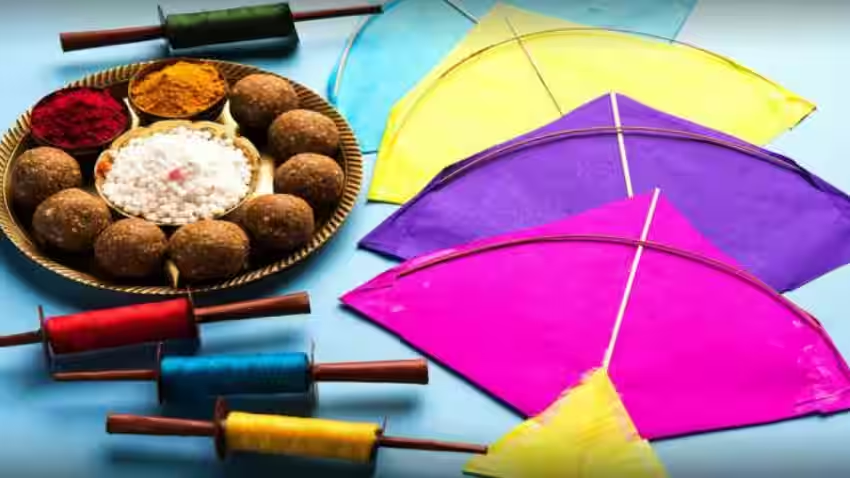
b. Gujarat: In Gujarat, Makar Sankranti is synonymous with the International Kite Festival. The skies are filled with colorful kites, and kite-flying competitions are held with great enthusiasm. The sound of “kai po che” echoes through the air as participants try to cut each other’s kites.
c. Tamil Nadu: In the southern state of Tamil Nadu, Makar Sankranti is known as Pongal. It is a four-day harvest festival where people prepare a special dish called Pongal made from newly harvested rice, jaggery, and other ingredients. The highlight is the “Mattu Pongal” day when cattle are adorned and worshipped for their role in agriculture.
d. Punjab: In Punjab, the festival is known as Lohri and is celebrated with bonfires, singing, dancing, and the exchange of traditional foods like sesame seeds, jaggery, and peanuts. It marks the culmination of the winter season and the beginning of longer, warmer days.
e. Assam: In Assam, Makar Sankranti is known as Bhogali Bihu. It is a time for feasting and celebrating the harvest. Bonfires are lit, and traditional Assamese games and sports are played.
- The Spiritual Significance
Makar Sankranti holds great spiritual significance in Hinduism. It is believed that on this day, the sun begins its northward journey, marking the end of the harsh winter and the arrival of spring. Devotees take holy dips in rivers and offer prayers to the sun god, thanking him for his blessings. The act of taking a dip in the holy rivers is believed to cleanse the soul and bring good fortune.
- The Importance of Food
Food plays a central role in the celebration of Makar Sankranti. The dishes prepared during this festival are made using newly harvested crops, symbolizing prosperity and abundance. Sesame seeds, jaggery, and rice are common ingredients in various traditional recipes. The act of sharing these foods with friends and family is seen as an act of spreading happiness and good fortune.
- Kite Flying – The Heart of the Celebration
One of the most visually stunning aspects of Makar Sankranti is the kite flying tradition, especially in Gujarat. Months of preparation go into crafting and choosing the perfect kites. The skies come alive with colorful kites of all shapes and sizes. The kite-flying competitions are fierce but friendly, and it’s a time for bonding and camaraderie.
- Conclusion
Makar Sankranti is a celebration that beautifully blends spirituality, culture, and tradition. It signifies the changing seasons, the importance of agriculture, and the spirit of togetherness. This festival, with its regional variations, showcases the rich tapestry of India’s cultural heritage. Whether you are enjoying the kite festival in Gujarat, the Pongal feast in Tamil Nadu, or the bonfires of Lohri in Punjab, Makar Sankranti is a time to cherish and embrace the diversity of this incredible nation. It’s a reminder that, no matter where we come from, we are all connected by the thread of humanity, and we can celebrate our differences while coming together to mark the renewal of life and the promise of brighter days ahead.
 EliteExtant
You must be logged in to post a comment.