What is Robotics?
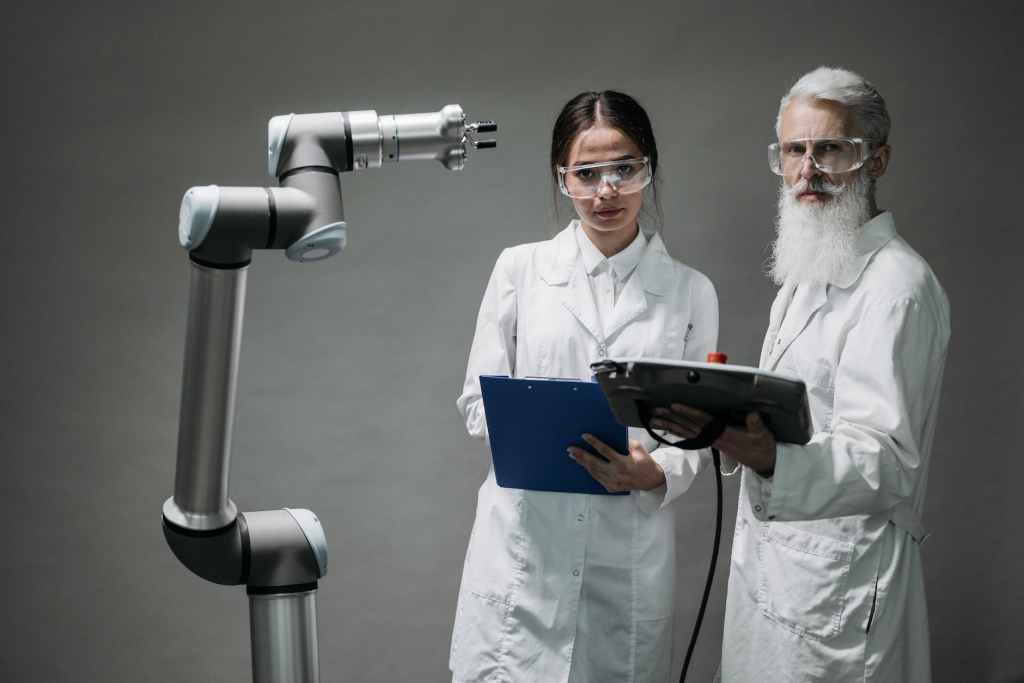
Robotics is a field of engineering and computer science that deals with the design, construction, operation, and use of robots, as well as computer systems for their control, sensory feedback, and information processing. Robots are typically used to perform tasks that are too dangerous, difficult, or repetitive for humans, and they can be programmed to work autonomously, or under the direct control of a human operator.
Does Robotics is beneficial for everyone?
Robotics has the potential to bring benefits to many aspects of society, such as manufacturing, healthcare, education, and more. In industry, robots can increase efficiency, precision, and productivity, allowing for the automation of dangerous, dirty, or dull tasks, freeing up workers to focus on higher-level tasks. In healthcare, robots can assist with surgeries, rehabilitation, and other procedures, improving patient outcomes and reducing the workload of medical staff. In education, robots can be used as teaching tools, helping students learn about technology, engineering, and programming in a fun and interactive way. However, like any technology, robotics also has potential downsides, such as job displacement, so it’s important to consider both the benefits and the challenges of using robots in various fields.
Robotics has the potential to be a great future in several ways:
- Job Creation: As the demand for robotics technology continues to grow, so will the demand for individuals trained in robotics engineering, programming, and maintenance.
- Increased Efficiency: Robots can perform tasks faster and more accurately than humans, which can lead to increased efficiency and productivity in various industries.
- Improved Quality of Life: Robotics technology can be used to improve the quality of life for individuals in various ways, such as through assistive robots for the elderly and disabled, or medical robots for surgeries and other medical procedures.
- Solving Complex Problems: Robotics can play a significant role in solving complex problems and addressing challenges facing society, such as environmental degradation, disaster response, and space exploration.
Overall, the future of robotics is exciting and holds significant potential to bring about positive change in various industries and aspects of daily life.

List of applications that can be control by Robotics
Robotics technology can be applied to control a wide range of systems and processes, some of the most common applications include:
- Manufacturing: Robots are widely used in factories to assemble products, perform quality control checks, and handle materials.
- Healthcare: Robots can be used for minimally invasive surgeries, assisting with rehabilitation, and performing other medical procedures.
- Agriculture: Robots can be used for tasks such as planting, harvesting, and monitoring crops.
- Logistics and transportation: Robots can be used for tasks such as package delivery, warehouse management, and autonomous vehicles.
- Defense: Robots can be used for tasks such as surveillance, explosive ordnance disposal, and search and rescue missions.
- Space exploration: Robots are often used in space exploration missions to gather data, perform experiments, and explore hazardous environments.
- Service industries: Robots can be used for tasks such as customer service, telepresence, and entertainment.
These are just a few examples, and the list of applications for robotics continues to grow as the technology advances.
How we should look at Robotics as a career?
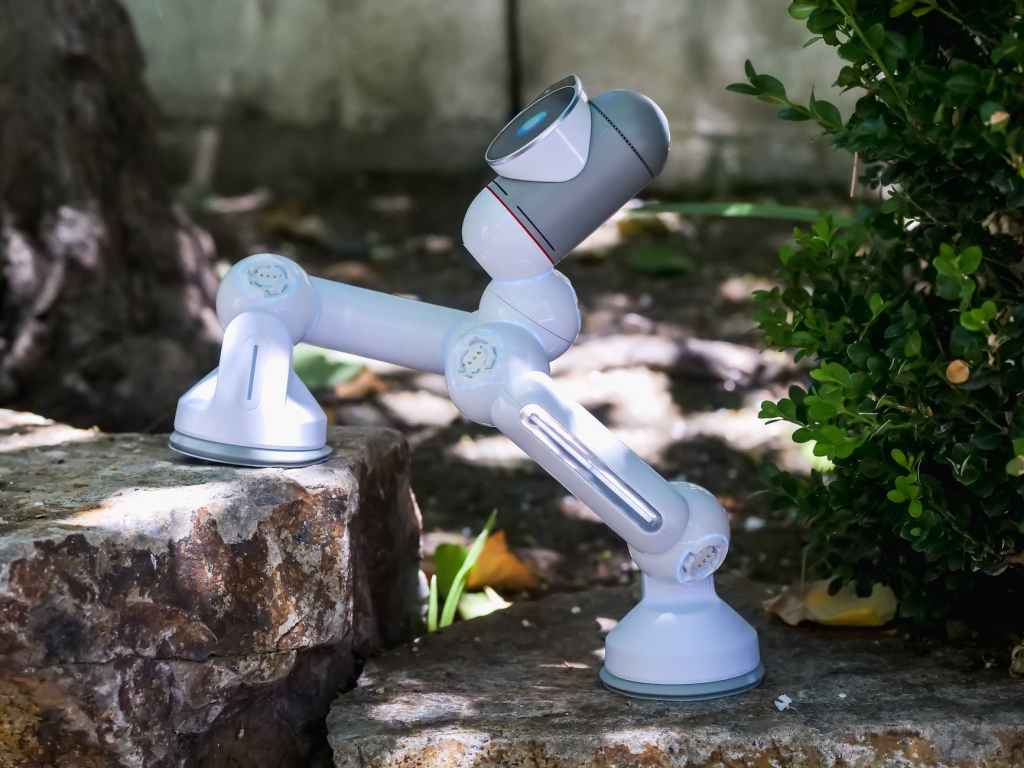
As a rapidly growing field, robotics offers a wide range of career opportunities for those with the right skills and interests. Here are a few things to consider if you are thinking about pursuing a career in robotics:
- Technical skills: Robotics is an interdisciplinary field, so a strong foundation in areas such as engineering, computer science, and mathematics is essential.
- Passion: A genuine interest and passion for robotics and technology is important, as this field can be challenging and requires a strong work ethic and dedication.
- Creativity: Robotics often involves solving complex problems and coming up with innovative solutions, so creativity and outside-the-box thinking are highly valued.
- Collaboration: Robotics often involves working in teams, so strong communication and collaboration skills are important.
- Adaptability: Robotics is a rapidly evolving field, so the ability to continuously learn and adapt to new technologies and approaches is critical.
Some potential career paths in robotics include robot design and development, robotics software engineering, robotics research and development, and robot system integration and deployment. It’s also possible to specialize in a specific industry, such as healthcare, aerospace, or manufacturing. It’s a good idea to gain hands-on experience through internships, projects, or hobbyist activities, as well as to network with professionals in the field to learn more about different career paths and opportunities.

list of few Robotics Indian startup
- Grey Orange: Grey Orange is a leading provider of robotics solutions for warehouse automation and order fulfillment.
- Invento Robotics: Invento Robotics is a provider of autonomous mobile robots for various industries, including warehousing, retail, and healthcare.
- Sensible Robots: Sensible Robots is a provider of autonomous robots for the hospitality and service industries, including hotels and restaurants.
- Stealth Robotics: Stealth Robotics is a provider of robotics solutions for various industries, including construction, agriculture, and waste management.
- TAL (Tata Autonomous Robots): TAL is a subsidiary of Tata Motors that specializes in industrial robots and automation solutions for various industries, including manufacturing, logistics, and retail.
- Systemantics: Systemantics is a provider of robotics solutions for the construction industry, including autonomous robots for brick laying, masonry, and concrete pouring.
- Picasso Labs: Picasso Labs is a provider of robotics solutions for the packaging and logistics industries, including autonomous mobile robots for material handling and transportation.
- Janyutech :Janyu Technologies Pvt. Ltd. is engaged in design, development, manufacture, supply, installation and commissioning of Robotic solutions & Industrial Automation systems in various industrial sectors of economy i.e. Pharma, Healthcare, F&B, FMCG, Engineering, Automotive, Defence, Aerospace, Frozen Foods, E – commerce industries etc.
These are just a few examples, and the list of robotics startups in India continues to grow as the technology advances and the demand for automation solutions increases.
List of few best Industrial automation startups?
Here are a few popular industrial automation startups as of my knowledge cut off in 2021:
- UiPath: UiPath is a leading provider of robotic process automation (RPA) software, which helps organizations automate repetitive, manual tasks.
- ABB: ABB is a Swiss-Swedish multinational corporation that specializes in power and automation technologies, including industrial robots and automation systems.
- Fanuc: Fanuc is a Japanese company that specializes in factory automation and robotics, including industrial robots, control systems, and laser processing machines.
- KUKA: KUKA is a German company that specializes in industrial robots and automation systems, including robots for manufacturing, logistics, and healthcare.
- Bosch Rexroth: Bosch Rexroth is a subsidiary of Robert Bosch GmbH that specializes in industrial automation, including hydraulic, electric, and linear motion technologies.
- Adept Technology: Adept Technology is a US-based provider of robots and automation systems, including robots for manufacturing, material handling, and packaging.
- Precise Automation: Precise Automation is a US-based provider of robots and automation systems, including robots for laboratory automation, semiconductor manufacturing, and life sciences.
- Denso Robotics: Denso Robotics is a subsidiary of Denso Corporation, a Japanese automotive parts supplier, that specializes in industrial robots and automation systems.
These are just a few examples, and the list of industrial automation startups is constantly growing as the technology advances.
What are procs & cons of Robotics?
Pros of Robotics:
- Increased Efficiency: Robotics can automate repetitive and dangerous tasks, increasing efficiency and productivity while reducing the risk of injury to human workers.
- Improved Quality: Robots can work with precision and repeatability, reducing the number of mistakes and improving the quality of products and services.
- Cost Savings: By reducing the need for manual labor, robotics can help lower labor costs and increase profitability for businesses.
- 24/7 Operation: Robots can work around the clock without getting tired or taking breaks, increasing production and reducing downtime.
- Customization: Robotics can be customized to meet specific needs, allowing for greater flexibility and efficiency in various industries.
Cons of Robotics:
- High Initial Cost: The cost of purchasing and installing robotics can be high, especially for small and medium-sized businesses.
- Job Losses: The widespread adoption of robotics can lead to job losses for human workers, especially in industries that are highly automated.
- Dependence on Technology: Robotics can increase our dependence on technology, making us vulnerable in the event of a technological failure or malfunction.
- Limitations in Complex Tasks: While robots are good at repetitive tasks, they may struggle with tasks that require human-level dexterity, creativity, or intuition.
- Social and Ethical Concerns: The widespread adoption of robotics raises social and ethical concerns, including issues of privacy, security, and accountability.
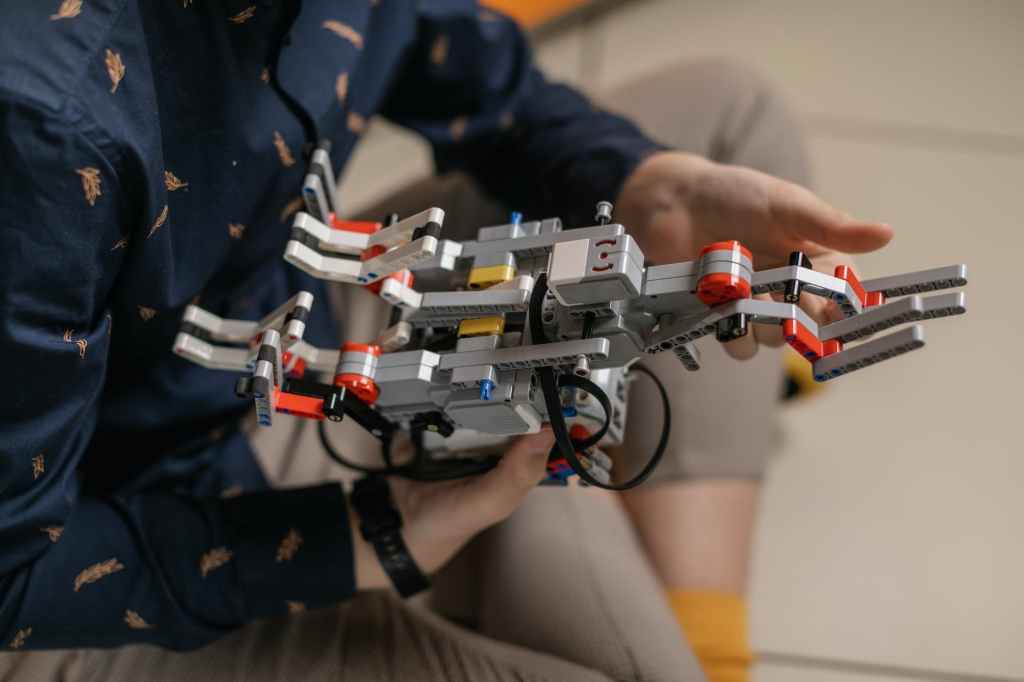
In conclusion, robotics offers many benefits, but also has its challenges. It’s important for organizations to carefully consider the pros and cons of robotics before investing in this technology, and to plan for a transition that takes into account the impact on human workers and society as a whole.
 EliteExtant
You must be logged in to post a comment.