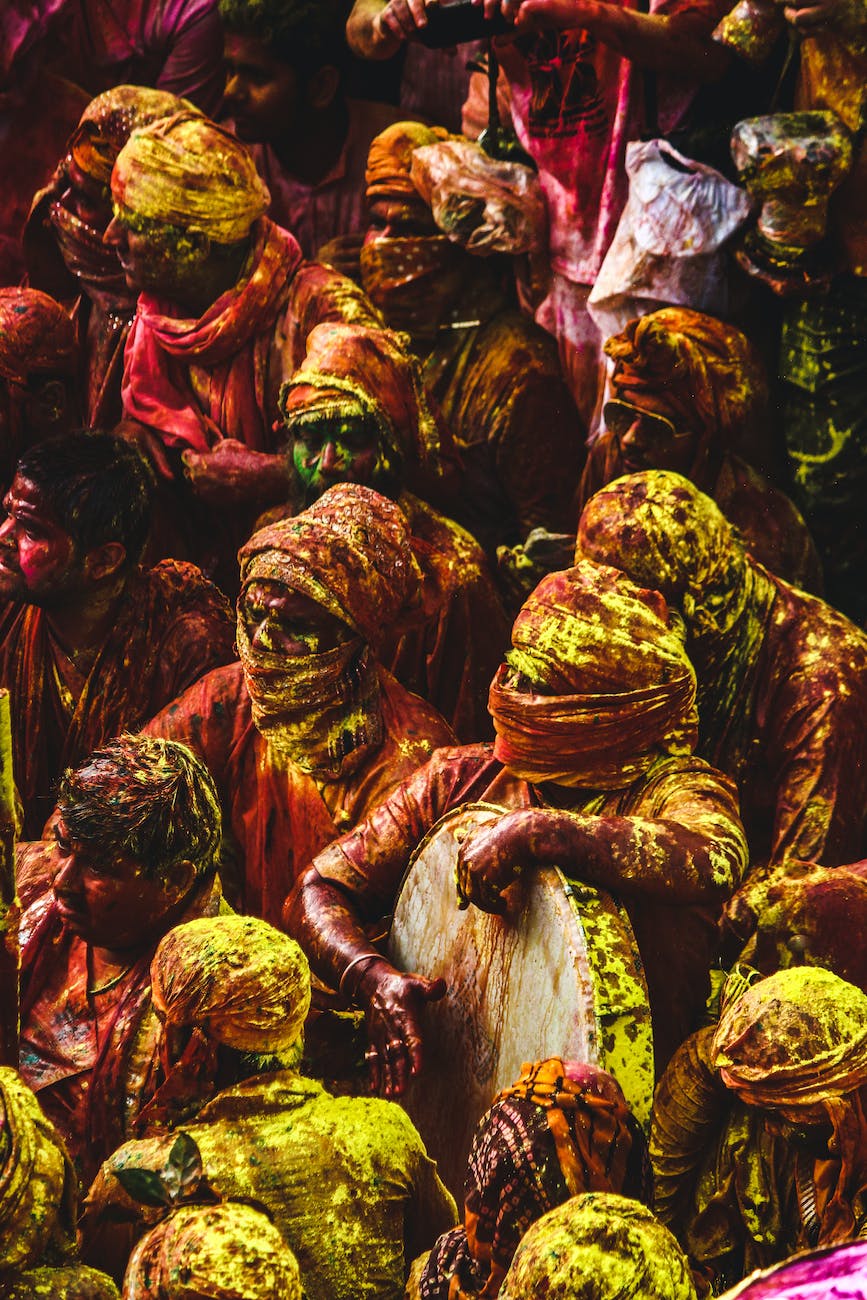
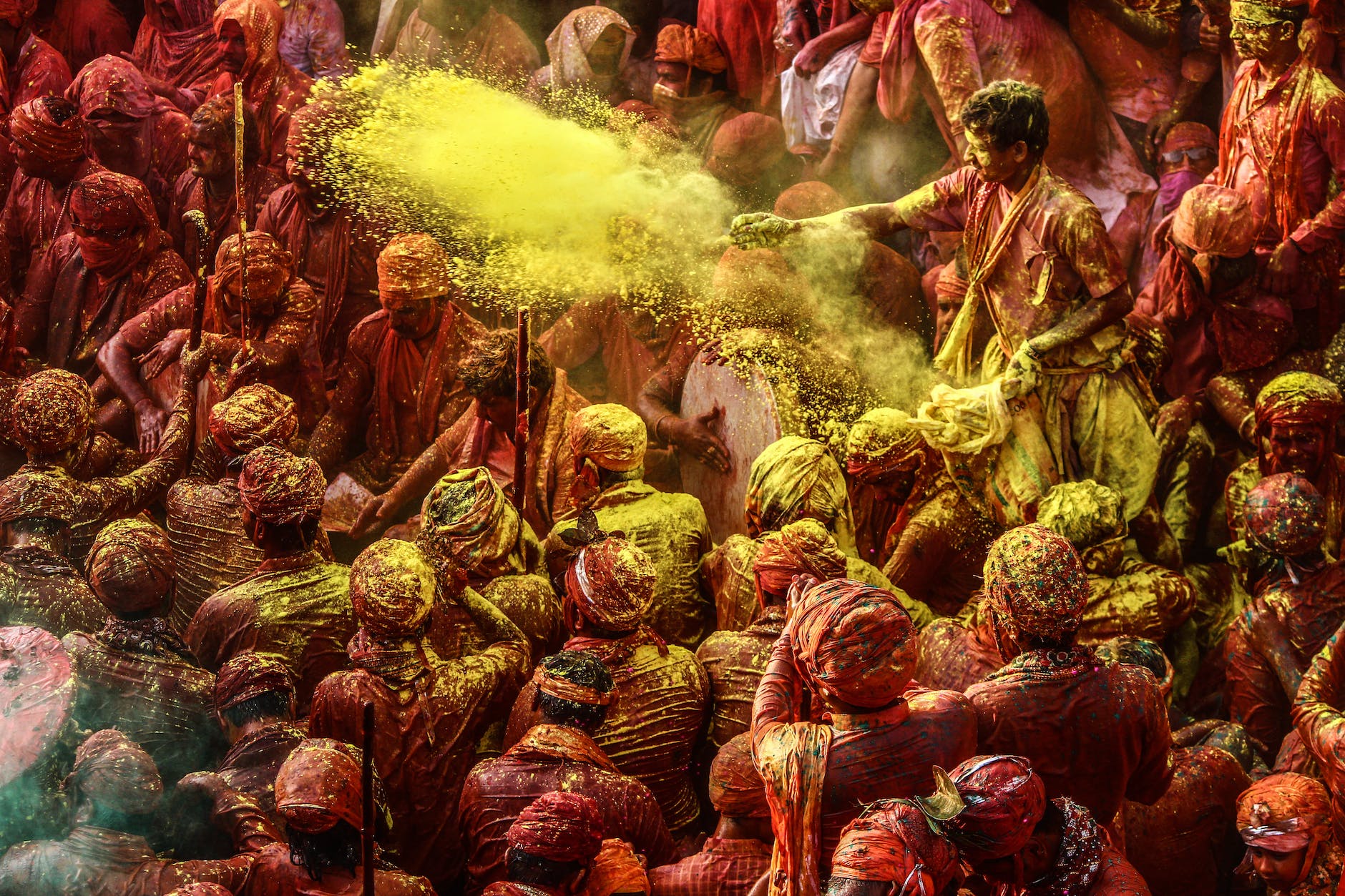
Holi, the festival of colors, is one of the most vibrant and exuberant celebrations in India. This ancient Hindu festival, also known as the “Festival of Love,” is celebrated with immense enthusiasm and fervor by people of all ages and backgrounds. It marks the arrival of spring and the triumph of good over evil. In this blog, we will explore the significance, traditions, and the sheer joy of Holi celebration.
Significance of Holi
- Triumph of Good over Evil:
Holi is celebrated to commemorate the victory of Prahlada over the demon king Hiranyakashipu, a story from Hindu mythology. It symbolizes the triumph of good over evil and the importance of devotion and faith. - Welcoming Spring:
Holi also marks the arrival of spring, bidding farewell to the cold winter months. The bright colors of Holi reflect the vibrant hues of nature during this season. - Celebration of Love and Unity:
Holi is often called the “Festival of Love” because it brings people together, breaking down social barriers and promoting unity. On this day, people set aside their differences and come together to celebrate.
Holi Traditions and Celebrations
- Playing with Colors:
The hallmark of Holi is the playful throwing of colored powders and water balloons. People smear each other with these vibrant colors, creating a riot of hues in the streets. This act of applying colors symbolizes the idea of letting go of past grudges and welcoming new beginnings. - Bonfires:
The night before Holi, people gather to light bonfires. These bonfires, known as “Holika Dahan,” signify the burning of evil and the victory of good. People sing and dance around the bonfires, reinforcing the sense of community. - Sweets and Treats:
No Indian festival is complete without indulging in delicious treats. Special Holi sweets like “gujiya” (sweet dumplings), “thandai” (a traditional drink), and various other snacks are prepared and shared with friends and family. - Music and Dance:
Holi is also a time for joyous music and dance. Traditional and folk songs, accompanied by energetic dance performances, add to the festive atmosphere. The “dhol” (drum) plays a central role in creating lively rhythms. - Pichkari (Water Gun) Battles:
Alongside colored powders, water guns called “pichkaris” are popular during Holi. People chase each other, squirting colored water, and laughter fills the air. - Visiting Friends and Family:
Holi is a time for togetherness. People visit the homes of friends and family, exchange greetings, and celebrate the festival with loved ones. - Cultural Celebrations:
In addition to the general revelry, some regions in India have unique customs and traditions associated with Holi. For example, in Mathura and Vrindavan, the birthplace of Lord Krishna, Holi is celebrated with grand processions and temple festivities.
Conclusion
Holi is not just a festival; it’s an experience of joy, unity, and renewal. The riot of colors, the warmth of loved ones, and the spirit of togetherness make it one of the most cherished celebrations in India. Beyond the vivid hues, Holi carries profound messages of triumphing over negativity, embracing change, and spreading love and unity. So, if you ever have the chance to experience Holi, don’t miss out on the opportunity to immerse yourself in this kaleidoscope of culture and celebration. Happy Holi!
 EliteExtant
You must be logged in to post a comment.