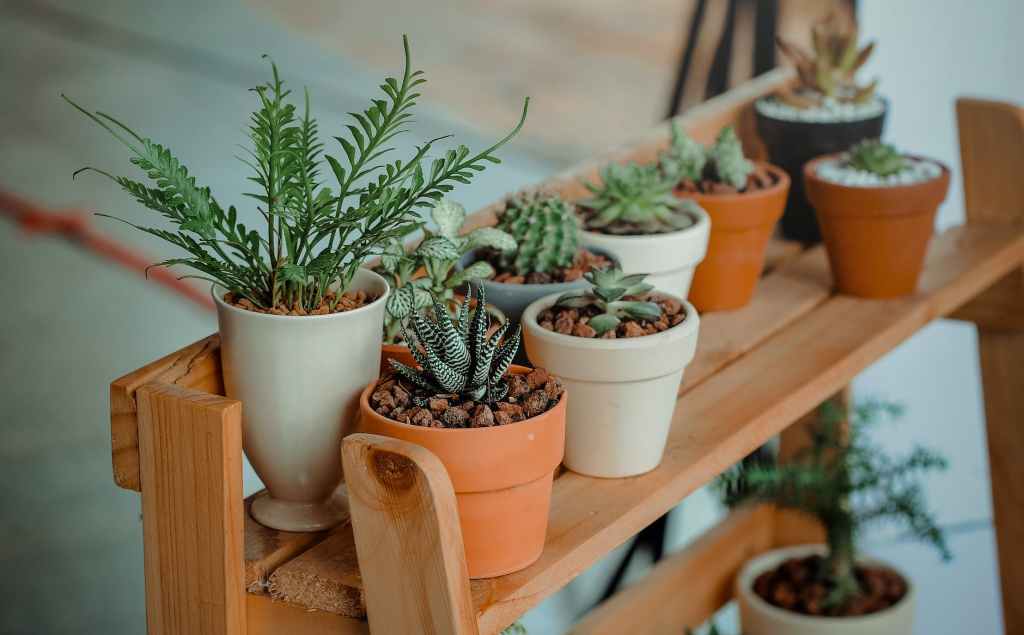
How to love plants?
Loving plants can come naturally to some people, while others may need to cultivate an appreciation for them. Here are some tips on how to develop a love for plants:
- Learn about plants: Understanding the science and biology of plants can help you appreciate their complexity and beauty. You can start by researching different types of plants, their growth habits, and how they benefit the environment.
- Spend time with plants: Spend time in nature, visit botanical gardens, or even start a small garden or indoor plant collection. This will allow you to observe plants up close and appreciate their beauty and uniqueness.
- Get involved in gardening: Gardening can be a fulfilling hobby that allows you to interact with plants on a daily basis. It can also provide a sense of accomplishment as you watch your plants grow and thrive.
- Appreciate the benefits of plants: Plants are not just beautiful, they also provide numerous benefits to humans and the environment. They produce oxygen, filter the air, and provide food and shelter for wildlife.
- Take care of plants: Caring for plants can be a rewarding experience that helps you build a deeper connection with them. By watering, pruning, and fertilizing your plants, you will be able to observe their growth and development over time.

By following these tips, you can develop a love for plants that will enrich your life and help you appreciate the natural world around you.
How can we take care of indoor plants?
Taking care of indoor plants can be a rewarding experience that can improve the air quality of your home and bring a sense of calm and beauty to your living space. Here are some tips on how to care for indoor plants:

- Provide adequate light: Most indoor plants need bright, indirect light to grow and thrive. Place your plants near a window that receives sunlight, but avoid direct sunlight which can burn the leaves.
- Water your plants appropriately: Over-watering or under-watering can harm your plants. Water your plants when the top inch of soil is dry, but be careful not to let the soil become too dry or waterlogged. Different plants have different water requirements, so research the specific needs of your plants.
- Maintain the right temperature and humidity: Most indoor plants prefer temperatures between 60-75°F (15-24°C) and moderate to high humidity levels. Avoid placing your plants near cold drafts or heat sources, and consider using a humidifier if your home is particularly dry.
- Provide adequate nutrients: Fertilize your plants every 2-4 weeks during the growing season (spring and summer) with a balanced fertilizer. However, avoid over-fertilizing, as this can burn the roots.
- Prune and repot as needed: Regularly pruning your plants can help them grow stronger and healthier. Repotting can also help prevent overcrowding and give your plants fresh soil to grow in. Check the roots of your plants every year to see if they need to be repotted.
By following these tips and being attentive to the needs of your plants, you can enjoy a beautiful and thriving indoor garden.
Poem on beautiful plants

Plants, oh plants, how lovely they be, With roots so strong, and leaves so free, From tiny seeds, they grow so tall, And bloom with colors, that enthrall.
From dainty flowers, to towering trees, They sway with grace, in gentle breeze, Their fragrant scents, fill up the air, And bring to life, the world so fair.
With every petal, and every stem, They paint a picture, so rich and gem, In gardens, woods, and every space, They add a touch, of nature’s grace.
Oh plants, how they heal, and soothe, With herbal secrets, they help us move, Their bountiful gifts, we shall not waste, For they are blessings, to embrace.
So let us cherish, these beautiful plants, And nurture them, with loving hands, For they are friends, that never leave, And give us life, that we can believe.
List of all indoor plants
There are numerous indoor plants available to choose from, each with its unique appearance, care requirements, and benefits. Here is a list of some of the most popular indoor plants:
- Snake Plant (Sansevieria)
- Pothos (Epipremnum aureum)
- Spider Plant (Chlorophytum comosum)
- ZZ Plant (Zamioculcas zamiifolia)
- Chinese Evergreen (Aglaonema)
- Peace Lily (Spathiphyllum)
- Rubber Plant (Ficus elastica)
- Boston Fern (Nephrolepis exaltata)
- English Ivy (Hedera helix)
- Bird’s Nest Fern (Asplenium nidus)
- Philodendron (Philodendron)
- Aloe Vera (Aloe barbadensis)
- Fiddle Leaf Fig (Ficus lyrata)
- Money Tree (Pachira aquatica)
- Golden Pothos (Epipremnum aureum ‘Marble Queen’)
These are just a few of the many indoor plants available to choose from. When selecting indoor plants, it’s essential to consider your lighting conditions, the level of care you can provide, and your personal preferences.
Tree planting is good for health?
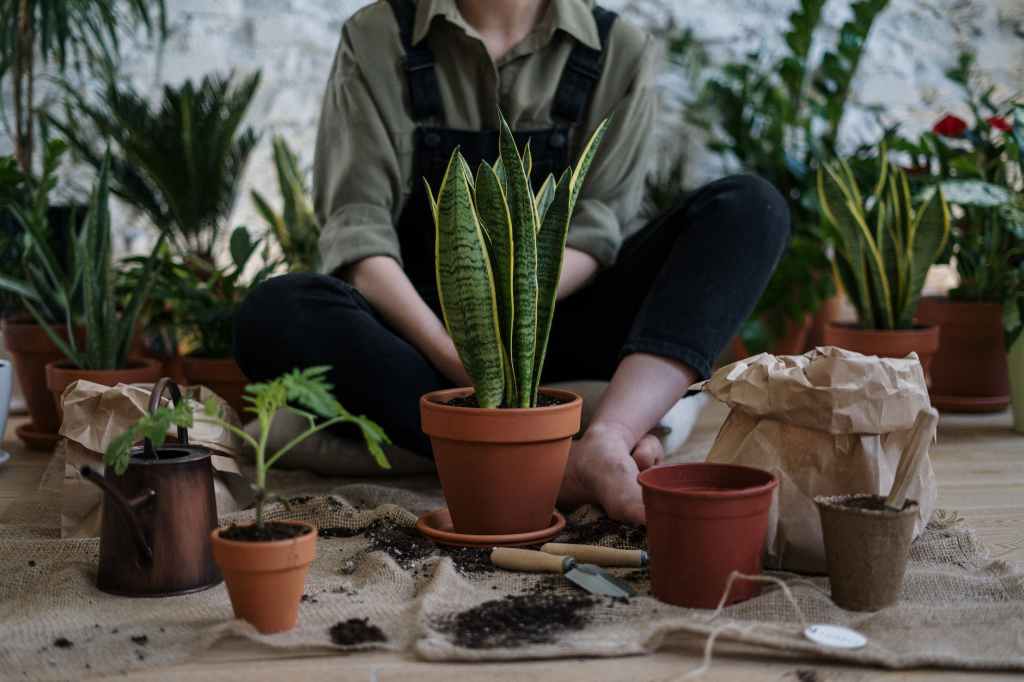
Yes, tree planting can be beneficial for both physical and mental health. Here are some ways that tree planting can promote health:
- Improved air quality: Trees absorb carbon dioxide and other pollutants from the air and release oxygen, improving air quality. Breathing in clean air can reduce the risk of respiratory diseases and other health problems.
- Reduced stress: Being around trees and nature can have a calming effect on the mind and body, reducing stress and anxiety.
- Increased physical activity: Tree planting can be a physical activity that encourages people to spend time outdoors and engage in exercise, which is beneficial for overall health.
- Improved mental health: Spending time in nature has been linked to reduced symptoms of depression and anxiety, and improved mental well-being.
- Reduced heat island effect: Trees can provide shade and reduce the temperature in urban areas, reducing the risk of heat-related health problems.
Overall, tree planting can provide numerous benefits for health and well-being. It can be a simple and effective way to improve the environment, promote physical activity, and enhance the quality of life in communities.

I love trees I want to thank to this world for having great trees
That’s a beautiful sentiment, and it’s wonderful feeling Trees play a crucial role in our world, providing a range of benefits, including improving air and water quality, reducing the risk of erosion, and providing habitats for wildlife.
Trees also have cultural and spiritual significance in many cultures and religions, representing strength, resilience, and connection to the natural world. Whether you simply enjoy their beauty or recognize their importance in sustaining life on Earth, taking the time to appreciate and thank trees is a meaningful gesture.
One way to show your appreciation for trees is to get involved in tree planting or conservation efforts in your community. You can also support organizations that work to protect forests and promote sustainable forestry practices. Whatever you do, your gratitude for trees is sure to make a positive impact on the world.
 EliteExtant
You must be logged in to post a comment.