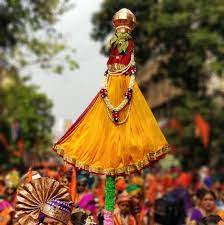
In the vibrant tapestry of Indian festivals, Gudi Padwa stands out as a significant celebration, especially in the state of Maharashtra. Also known as Marathi New Year or Chaitra Shukla Pratipada, Gudi Padwa marks the beginning of the traditional Hindu lunar calendar. It usually falls in March or April, signaling the arrival of spring and a fresh start to the year. This festival is celebrated with great enthusiasm, bringing families and communities together to cherish their culture and heritage.
Historical Significance
The history of Gudi Padwa dates back to ancient times and has several legends associated with it. One of the most popular stories is related to Lord Rama’s return to Ayodhya after defeating Ravana and completing his fourteen-year exile. The people of Ayodhya celebrated his return by hoisting a gudi (a flag or banner) outside their homes. This tradition continues today as a symbol of victory and prosperity.
The Gudi
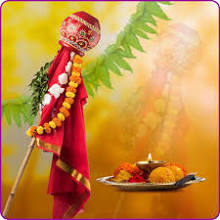
The centerpiece of Gudi Padwa celebrations is the gudi itself. A gudi is a tall bamboo pole or stick adorned with various auspicious decorations. At the top of the pole, a colorful silk cloth, a garland of flowers, and an inverted copper or silver pot are placed. These elements symbolize prosperity, happiness, and victory. The gudi is then hoisted outside homes, typically on a window or balcony, so that it can be seen by everyone.
Preparations
Preparing for Gudi Padwa starts well in advance. People clean and decorate their homes, much like during Diwali. Rangoli patterns are drawn at the entrance to welcome guests, and torans (door hangings) made of marigold flowers or mango leaves are hung to mark the festive spirit. Women often apply mehndi (henna) on their hands, and everyone dresses in new clothes for the occasion.
Traditional Foods
No Indian festival is complete without a feast, and Gudi Padwa is no exception. Traditional Maharashtrian dishes take center stage during the celebrations. Puran Poli, a sweet flatbread stuffed with a mixture of jaggery and lentils, is a must-have on the menu. Other popular dishes include Shrikhand, a sweet yogurt dessert, and Pooranachi Varan, a lentil-based curry. People also savor mangoes, as Gudi Padwa coincides with the beginning of the mango season.
Community and Family Bonding
Gudi Padwa brings families and communities together. People visit temples to seek blessings and perform rituals to ensure a prosperous year ahead. They exchange gifts and sweets with loved ones, strengthening bonds and spreading joy. In some regions, cultural events and processions take place, showcasing traditional music and dance forms like Lavani and Tamasha.
Cultural Significance
Gudi Padwa is not just about festivities; it also carries cultural significance. It serves as a reminder of Maharashtrian heritage and values. Through rituals, music, and dance, the festival preserves and promotes the rich traditions of the state.
Conclusion
Gudi Padwa is a vibrant and joyful celebration that marks the beginning of the Marathi New Year. It is a time to reflect on the past, cherish the present, and look forward to a prosperous future. With its historical significance, colorful decorations, traditional foods, and a strong sense of community, Gudi Padwa exemplifies the spirit of Maharashtra and the warmth of Indian culture. Whether you’re from Maharashtra or simply an admirer of diverse traditions, Gudi Padwa offers a unique and memorable experience worth celebrating.
 EliteExtant
You must be logged in to post a comment.