Raster Scan Display


What is raster scan?
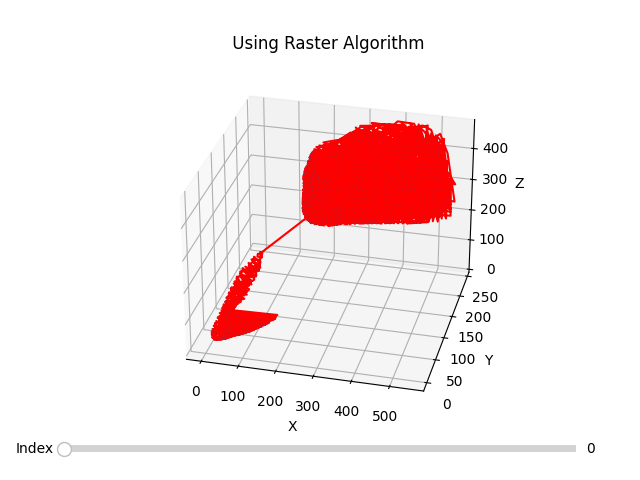
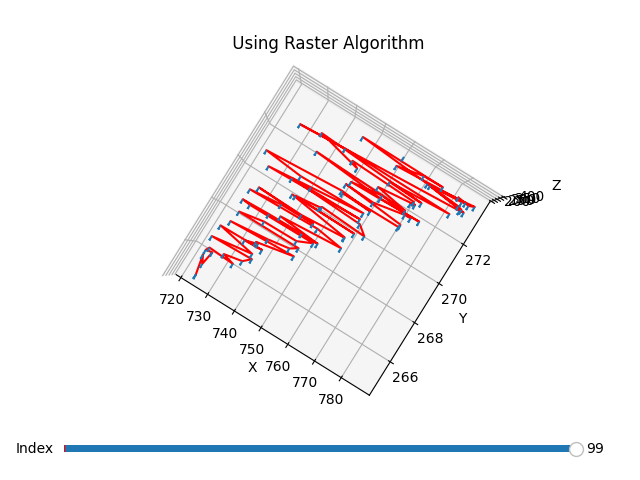
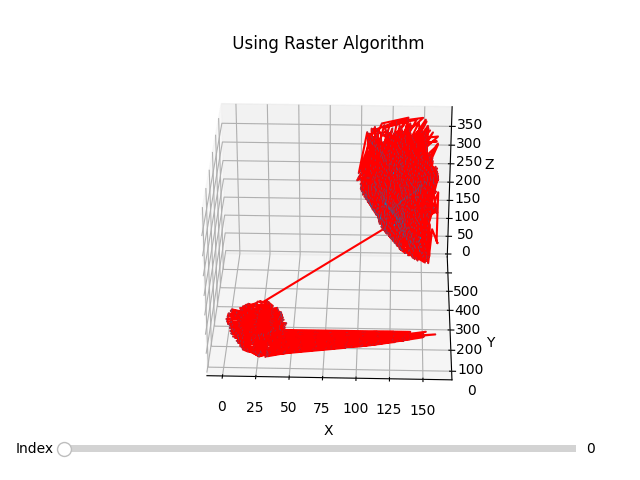
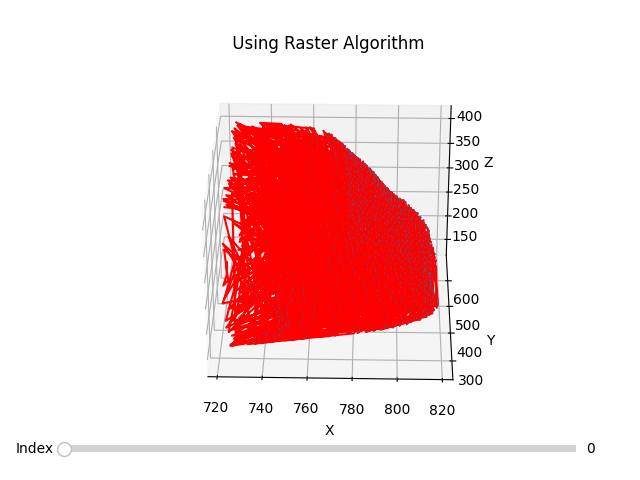
Raster scan refers to a method of displaying images or graphics on a screen by scanning a beam of electrons (or other light source) across the screen in a series of horizontal lines from top to bottom. As the electron beam moves across the screen, it illuminates the phosphors on the screen in a pattern that creates the image.
This method of displaying images is commonly used in cathode ray tube (CRT) displays, such as traditional computer monitors and televisions. The term “raster” refers to the rectangular grid of pixels that make up the image.
In a raster scan system, the electron beam is controlled by an electronic circuit that determines the position and intensity of the beam as it scans across the screen. The beam is turned on and off rapidly to create the illusion of a continuous image.
One advantage of the raster scan method is that it is relatively simple and efficient, and can display a wide range of colors and shades of gray. However, it can also be subject to visual artifacts such as flicker and image distortion, particularly at low resolutions or refresh rates.
How it use in vision system?
In a vision system, raster scanning can be used to capture images or video by scanning a camera across a scene in a similar way to how a CRT display scans across a screen.
For example, in a line scan camera, a single row of pixels is exposed to the scene as the camera moves across it, capturing a series of one-dimensional images that can be combined to create a two-dimensional image. This method is often used in industrial applications, such as inspection of moving conveyor belts or web materials, where a high-speed camera is needed to capture images of a continuous process.
In a laser scanning confocal microscope, a laser beam is raster scanned across a specimen, illuminating a small area at a time and creating a three-dimensional image by capturing the reflected or fluorescent light from each point. This method allows for high-resolution imaging of biological specimens with minimal background noise.
Raster scanning can also be used in image processing and computer vision algorithms to analyze and extract information from images. For example, edge detection algorithms can scan across an image to identify boundaries between objects or regions, while optical character recognition (OCR) algorithms can scan and recognize text within an image.
What are application of raster scan
Raster scanning has a wide range of applications in various fields, including:
- Image and video display: Raster scanning is used in traditional cathode ray tube (CRT) displays, as well as in modern LCD and LED displays, to display images and videos.
- Printing: Raster scanning is used in printing technology, where an image is divided into small dots that are printed in a series of horizontal lines.
- Medical imaging: Raster scanning is used in medical imaging technologies such as computed tomography (CT) and magnetic resonance imaging (MRI) to capture detailed images of the human body.
- Microscopy: Raster scanning is used in microscopy to capture images of biological specimens at high resolution and with minimal background noise.
- Industrial inspection: Raster scanning is used in industrial inspection systems to capture images of moving objects or processes, such as conveyor belts or web materials.
- Optical character recognition (OCR): Raster scanning is used in OCR algorithms to recognize text within images.
- Barcode scanning: Raster scanning is used in barcode readers to scan and decode barcodes.
- Document scanning: Raster scanning is used in document scanners to capture digital images of documents.
- Gaming: Raster scanning is used in video game displays to create the illusion of motion and movement on the screen.
Overall, raster scanning is a versatile technology that has a wide range of applications in various industries and fields.
 EliteExtant
You must be logged in to post a comment.