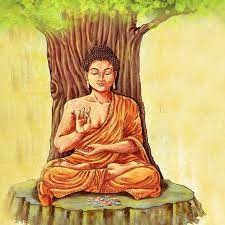
Buddha Jayanti, also known as Buddha Purnima or Vesak, is a significant and joyous festival celebrated by millions of Buddhists around the world. This day marks the birth, enlightenment, and death of Siddhartha Gautama, who would later become known as Gautama Buddha. The celebration of Buddha Jayanti is not just a religious observance; it’s a time for reflection, meditation, and spreading the teachings of peace, compassion, and mindfulness. In this blog, we will delve into the significance of Buddha Jayanti and how it is celebrated.
The Significance of Buddha Jayanti
Buddha Jayanti holds immense significance in Buddhism because it commemorates the life and teachings of one of the most revered spiritual leaders in history. Siddhartha Gautama was born in Lumbini, in present-day Nepal, around 563 BCE. His birth, enlightenment, and passing into Nirvana all occurred on the same day, which is why Buddha Jayanti is often referred to as “Triple Blessed Day.”
- Birth: Buddha Jayanti marks the day of the Buddha’s birth. His mother, Queen Maya, gave birth to him in a beautiful garden in Lumbini while holding onto the branch of a tree. Legend has it that as he was born, he took seven steps and proclaimed that he would be the “Supreme Being.”
- Enlightenment: Siddhartha Gautama’s enlightenment, which took place under the Bodhi tree in Bodh Gaya, is one of the most significant events in Buddhist history. It was during this time that he attained supreme knowledge and became the Buddha, which means “the awakened one.” This event symbolizes the path to enlightenment and spiritual awakening.
- Nirvana (Death): Buddha Jayanti also commemorates the day of the Buddha’s death, which is referred to as his entry into Nirvana. It is believed that at the age of 80, the Buddha passed away peacefully in meditation, leaving behind a legacy of wisdom and compassion.
Celebrating Buddha Jayanti
Buddha Jayanti is celebrated with great enthusiasm and devotion by Buddhists worldwide. Here are some common ways in which this festival is observed:
- Visiting Temples: Devotees visit Buddhist temples and monasteries to offer prayers, light lamps, and make offerings to the Buddha’s statues or relics.
- Processions: In some countries, especially in Asia, elaborate processions are organized to celebrate Buddha Jayanti. These processions include chanting, singing hymns, and carrying Buddhist flags and images of the Buddha.
- Meditation and Dharma Talks: Buddhists use this day to meditate on the teachings of the Buddha and reflect on his wisdom. Many temples and monasteries also organize dharma talks or lectures on Buddhism and its principles.
- Acts of Kindness: Buddhists believe in practicing compassion and kindness. On Buddha Jayanti, many individuals and organizations engage in charitable activities, such as feeding the needy, providing medical care to the underprivileged, and releasing animals to promote non-violence.
- Bodhi Tree Worship: As the Bodhi tree is closely associated with the Buddha’s enlightenment, Buddhists often visit Bodhi trees or plant saplings in their own homes to honor this sacred symbol.
- Offering Flowers: White lotus flowers are a common offering during Buddha Jayanti, symbolizing purity and enlightenment.
- Lantern Lighting: In some countries, people light lanterns in the evening to symbolize the dispelling of darkness and ignorance through the light of wisdom.
Conclusion
Buddha Jayanti is a day of profound spiritual significance for Buddhists, a time to remember the life and teachings of Siddhartha Gautama, and a moment to reflect on the principles of peace, compassion, and enlightenment. Whether celebrated with grand processions or quiet meditation, this festival serves as a reminder of the path to inner awakening and the pursuit of a more peaceful and compassionate world.
 EliteExtant
You must be logged in to post a comment.