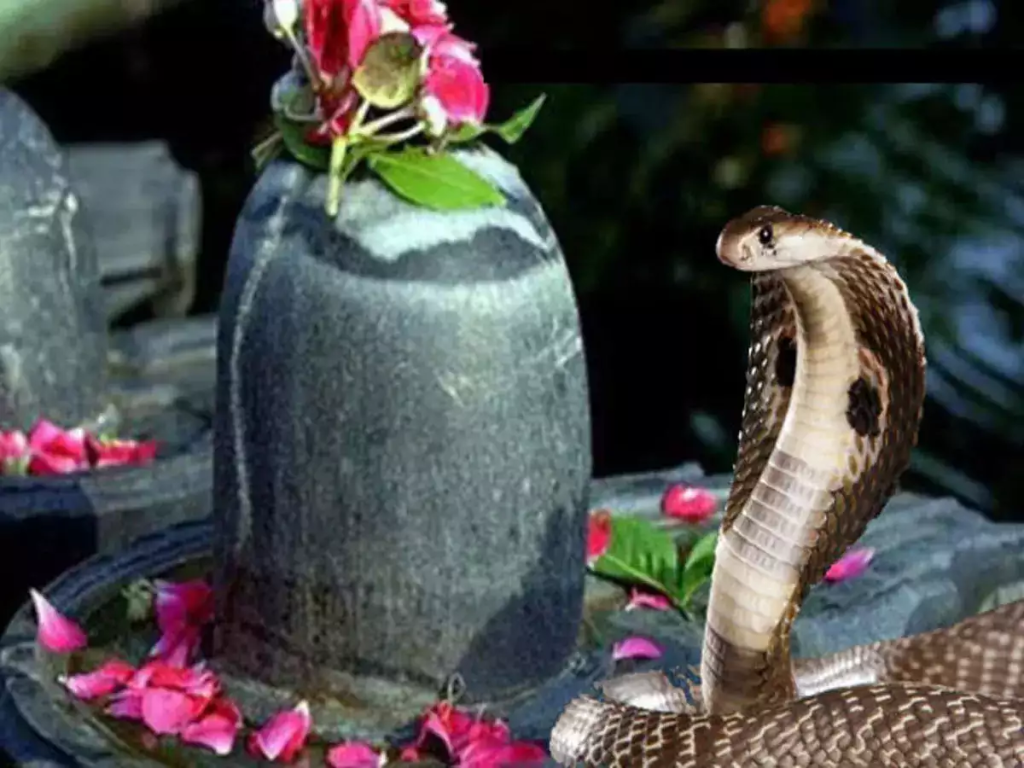
Nag Panchami, a significant Hindu festival, celebrates the worship of snakes, particularly the serpent gods Nagas. This unique and intriguing festival is observed with great enthusiasm across various regions of India and neighboring countries like Nepal. Falling on the fifth day (Panchami) of the bright half of the lunar month of Shravana, Nag Panchami is a day dedicated to honoring and appeasing these mystical creatures. In this blog, we’ll delve into the traditions, significance, and customs associated with Nag Panchami celebration.
The Legend Behind Nag Panchami
Nag Panchami has its roots in Hindu mythology and ancient scriptures. According to one of the most popular legends, it is believed that a young Brahmin named Astika saved the Nagas from the wrath of King Janamejaya, who was performing a Yagna (a grand ritual) to annihilate all snakes as revenge for his father’s death due to a snake bite. Astika intervened and stopped the Yagna, thereby saving the snake race from extinction. This act of compassion and wisdom is commemorated on Nag Panchami.
The Significance of Nag Panchami
Nag Panchami holds immense spiritual and cultural significance in Hinduism. Here are some key aspects that highlight its importance:
- Reverence for Snakes: Nag Panchami serves as a reminder of the coexistence between humans and nature. It symbolizes the respect and reverence shown to snakes, who are considered divine creatures in Hinduism.
- Agricultural Relevance: The festival usually falls during the monsoon season when snakes are more active. Farmers pray to the snake gods for protection against snakebites and for a bountiful harvest.
- Family and Togetherness: Like many other Hindu festivals, Nag Panchami is a family-oriented celebration. Families come together to perform rituals and visit temples dedicated to Nagas, strengthening bonds and passing down traditions to younger generations.
How Nag Panchami is Celebrated
- Worship of Snake Idols: On Nag Panchami, people create snake idols made of silver, stone, or clay, and worship them with milk, honey, and turmeric. These idols are often adorned with flowers and offered fruits.
- Temple Visits: Devotees visit temples dedicated to snake deities, such as the Mannarasala Temple in Kerala, the Nagnath Temple in Maharashtra, and the Bhujia Fort in Rajasthan.
- Offerings: It is customary to offer milk and other food items to live snakes in some regions. Devotees also apply turmeric and kumkum (vermilion) to snake burrows and anthills as a sign of respect.
- Fasting and Rituals: Some individuals observe a partial fast on Nag Panchami, consuming only milk and fruits throughout the day. They also recite prayers and perform pujas (rituals) at home.
- Cultural Performances: In certain regions, cultural events, and folk dances are organized to celebrate Nag Panchami, showcasing the rich heritage and traditions associated with the festival.
Conclusion
Nag Panchami is a unique and spiritually enriching festival that underscores the harmonious relationship between humans and nature. It is a day to express gratitude to the serpent gods for their role in protecting the environment and agricultural prosperity. Moreover, the festival serves as a reminder of the importance of compassion and empathy, values that are deeply ingrained in Hindu culture. As Nag Panchami approaches each year, it continues to be a symbol of cultural richness and devotion that unites communities in celebration.
 EliteExtant
You must be logged in to post a comment.