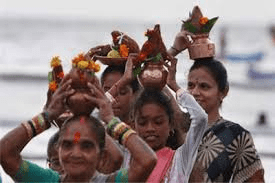
Narali Purnima, also known as Coconut Day, is a vibrant and culturally significant festival celebrated in the coastal regions of India. Falling on the full moon day in the Hindu month of Shravan (usually in August), this festival is a tribute to the coconut, a symbol of abundance, sustenance, and purity in Indian culture. Narali Purnima brings communities together in joyful celebrations, offering a glimpse into the rich cultural tapestry of coastal India.
Historical Significance
The roots of Narali Purnima are deeply embedded in Hindu mythology. It is believed that on this day, Lord Varuna, the god of the sea, is appeased to ensure safe voyages for fishermen and sailors who heavily rely on the seas for their livelihoods. The ritualistic offering of coconuts to the sea is a way to seek Varuna’s blessings for calm waters and a bountiful catch.
Celebration Traditions
- Offering of Coconuts: The centerpiece of Narali Purnima celebrations is the offering of coconuts to the sea. Devotees, dressed in traditional attire, gather at the seashore with baskets of coconuts. Each coconut is decorated with a bright red or yellow cloth and adorned with flowers. These coconuts are then thrown into the sea as offerings to Lord Varuna.
- Rituals and Prayers: Prior to the coconut offering, rituals and prayers are conducted by the local priests. Devotees often participate in these rituals, seeking blessings for their families and prosperity in their livelihoods.
- Feasting: No Indian festival is complete without sumptuous meals, and Narali Purnima is no exception. Special dishes are prepared, featuring coconut as a primary ingredient. Coconut rice, coconut ladoos, and coconut-based curries are among the delectable dishes enjoyed during this festival.
- Cultural Performances: Cultural programs, including traditional dances and music performances, add a touch of entertainment to the festivities. These performances often depict tales of coastal life, fishing traditions, and the significance of the sea in the lives of the local communities.
- Boat Races: In some coastal regions, boat races are organized as part of the celebration. These races are not only a thrilling spectacle but also a way to pay homage to the importance of boats and fishing in the livelihoods of the coastal people.
- Community Bonding: Narali Purnima is a time for communities to come together. Families and friends gather to celebrate, exchange greetings, and strengthen their bonds. It is also an occasion for elders to pass down traditional knowledge and values to the younger generations.
- Charity and Giving: Many communities use this festival as an opportunity to give back to society. Donations are made to charitable causes, and help is extended to those in need, reflecting the spirit of generosity and compassion.
Significance of the Coconut
The coconut holds a special place in Indian culture and is revered for its versatility and significance. It is often called the “Kalpavriksha” or the “tree of life” due to its ability to provide sustenance in various forms. Every part of the coconut tree, from the fruit to the leaves, is utilized, making it a symbol of prosperity and abundance.
Conclusion
Narali Purnima, or Coconut Day, is a vibrant celebration that connects people to their coastal heritage and traditions. It is a testament to the deep-rooted relationship between the people of coastal India and the sea, which sustains their livelihoods and communities. This festival is not only a time of religious significance but also a joyful occasion for feasting, cultural revelry, and community bonding. Narali Purnima serves as a beautiful example of how culture and nature are intertwined in the tapestry of Indian festivals, highlighting the rich diversity and unity of the country’s traditions.
 EliteExtant
You must be logged in to post a comment.