India is a land of diverse cultures, traditions, and festivals, each of which adds color and vibrancy to the country’s cultural tapestry. Among the many lesser-known festivals celebrated in rural India is “Pola,” a unique and heartwarming festival that honors and celebrates the essential role that bulls play in agriculture and rural life. In this blog, we will delve into the significance, rituals, and festivities associated with Pola.
The Significance of Pola
Pola is primarily celebrated in the Indian states of Maharashtra, Chhattisgarh, and parts of Madhya Pradesh. This festival typically falls in the Hindu month of Shravan, which usually spans July to August. The word “Pola” is derived from the Marathi word “पोळ” (pole), which means plowing. The festival holds immense significance for farmers, as it marks the culmination of the monsoon season and the beginning of the sowing season for many crops.
At its core, Pola is a celebration of gratitude towards bulls and bullocks, which are considered invaluable assets in agriculture. These animals are integral to rural livelihoods, as they help plow fields, transport goods, and provide the much-needed muscle power for various agricultural activities. Pola is a way for farmers to express their appreciation for the hard work and support these animals offer throughout the year.
Rituals and Traditions
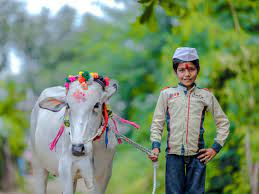
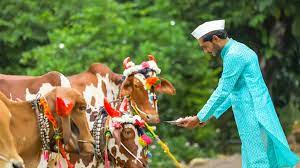
- Cleaning and Decorating Bulls: On the day of Pola, farmers clean and decorate their bulls with colorful accessories, garlands, and bells. The animals are adorned as a sign of respect and appreciation for their contribution to the household and the farm.
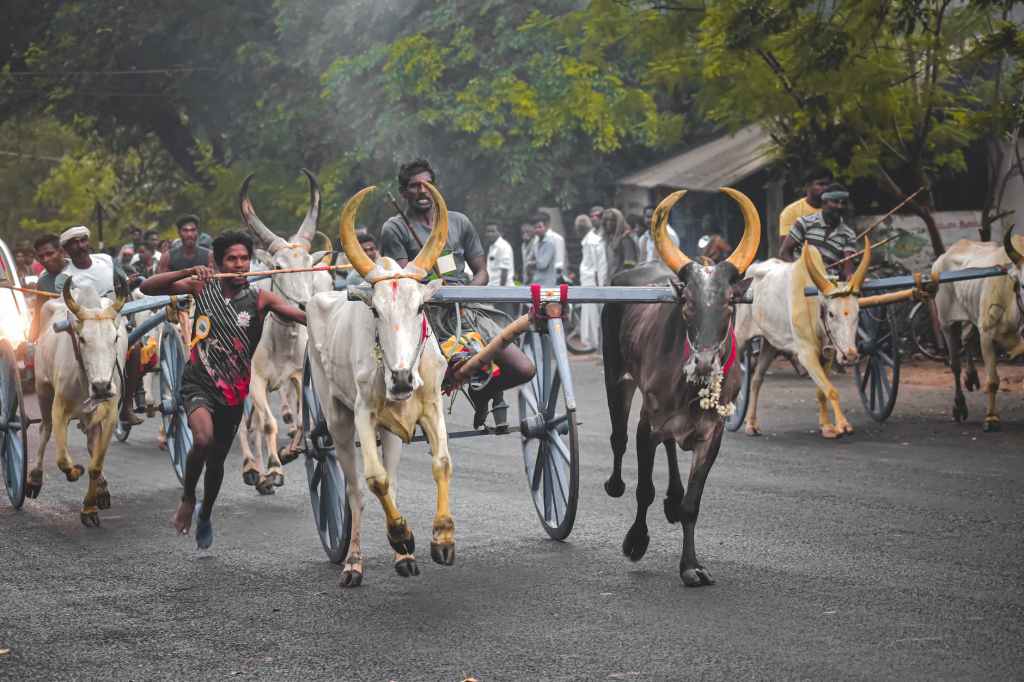
- Procession of Bulls: A prominent feature of Pola is the grand procession of decorated bulls through the village. This procession is accompanied by traditional music, dance, and enthusiastic cheers from the villagers. It is a sight to behold, with the bulls being the stars of the show.
- Offerings and Prayers: Farmers often perform rituals and prayers dedicated to their bulls. They offer grains, jaggery, and other agricultural produce to seek the blessings of the bull deities for a bountiful harvest in the upcoming season.
- Festive Feasting: No Indian festival is complete without delicious food, and Pola is no exception. Families come together to prepare and savor traditional dishes that include special sweets and savory items.
- Games and Entertainment: To add an element of fun and competition to the festivities, various games and sports events are organized, including bull races and wrestling matches.
The Joy of Community
One of the most heartwarming aspects of Pola is its emphasis on community bonding. The festival brings together people from all walks of life, transcending caste and social barriers. It fosters a sense of unity and belonging as villagers collectively celebrate the vital role of bulls in their lives.
Modern Relevance
While Pola has deep roots in rural India, it holds contemporary relevance as well. In today’s world, where technological advancements are rapidly changing the face of agriculture, Pola serves as a reminder of the enduring connection between humans, animals, and the land. It highlights the importance of sustainable farming practices and the need to protect and care for our natural resources.
Conclusion
Pola is a charming and heartfelt celebration that sheds light on the unique relationship between humans and animals in rural India. It is a festival that honors the unsung heroes of agriculture and provides an opportunity for communities to come together in gratitude and celebration. As we embrace modernity, it’s important to cherish and preserve such traditions that remind us of our deep-rooted connection to the land and the creatures that help us cultivate it.
 EliteExtant
You must be logged in to post a comment.