Quality control is a critical aspect of manufacturing and production processes. Ensuring the consistency and reliability of products is essential for customer satisfaction and the reputation of a business. Traditional quality control methods involve manual inspection and statistical process control. However, with the advent of machine learning and artificial intelligence, predictive quality control has become a game-changer in the industry. In this blog, we will explore how machine learning algorithms are revolutionizing quality control processes and improving product quality.
The Role of Machine Learning in Quality Control
Machine learning is a subset of artificial intelligence that focuses on the development of algorithms that can learn from and make predictions or decisions based on data. In the context of quality control, machine learning plays a crucial role in automating and enhancing the detection of defects or deviations from desired standards. Here are some key ways in which machine learning algorithms are transforming quality control:
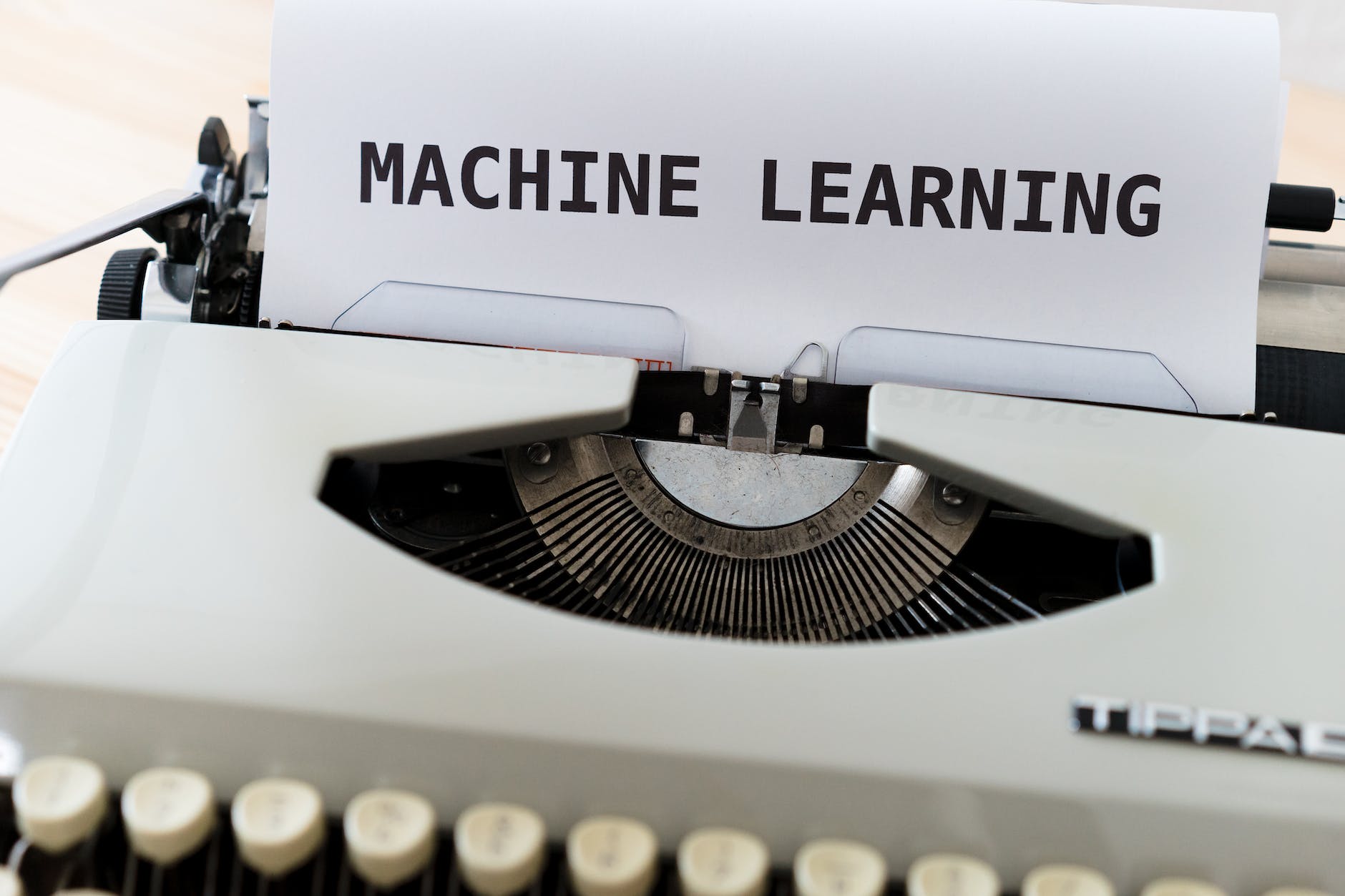
1. Defect Detection and Classification: Machine learning models can be trained to detect defects in products by analyzing images, sensor data, or other relevant information. These models can classify defects into various categories, providing detailed insights into the type and severity of issues.
2. Anomaly Detection: Machine learning algorithms can identify anomalies in production processes or product attributes. By learning from historical data, these algorithms can recognize patterns that deviate from the norm and trigger alerts or corrective actions when anomalies are detected.
3. Predictive Maintenance: Predictive quality control goes beyond just identifying defects. Machine learning can predict when equipment or machinery is likely to fail, allowing maintenance teams to schedule repairs proactively and minimize production downtime.
4. Process Optimization: ML algorithms can analyze process data to identify inefficiencies or areas where improvements can be made. By optimizing production processes, businesses can reduce waste and improve product quality.
Popular Machine Learning Algorithms for Predictive Quality Control
Several machine learning algorithms are commonly used in predictive quality control applications. These algorithms are chosen based on the nature of the data and the specific quality control task. Here are some popular ones:
1. Convolutional Neural Networks (CNNs): CNNs are used for image-based defect detection and classification. They excel at recognizing patterns and features in images, making them ideal for inspecting product surfaces.
2. Support Vector Machines (SVMs): SVMs are used for classification tasks, making them valuable for categorizing defects or anomalies into predefined classes.
3. Random Forest: Random Forest is an ensemble learning method that is versatile for various quality control tasks, including classification, regression, and feature selection.
4. Recurrent Neural Networks (RNNs): RNNs are suited for sequential data and can be used for time-series analysis in quality control applications, such as predicting equipment failures.
5. K-Means Clustering: K-Means clustering can be employed for grouping similar data points together, helping identify clusters of anomalies or defects.
Challenges and Considerations
While machine learning has great potential in predictive quality control, it’s essential to be aware of some challenges and considerations:
1. Data Quality: High-quality data is crucial for training accurate models. Ensure that your data is clean, labeled correctly, and representative of real-world scenarios.
2. Interpretability: Some machine learning models, like deep neural networks, can be difficult to interpret. Ensuring transparency and understanding of model decisions is essential, especially in industries with strict regulations.
3. Scalability: Implementing machine learning solutions in a production environment can be challenging. Consider the scalability and computational resources required for real-time or large-scale applications.
4. Human Expertise: Machine learning models may require continuous monitoring and human expertise to adapt to changing production conditions or evolving defects.
Conclusion
Machine learning algorithms are revolutionizing predictive quality control in manufacturing and production industries. By leveraging the power of data and advanced analytics, businesses can improve product quality, reduce defects, and optimize their processes. While there are challenges to overcome, the potential benefits in terms of cost savings, customer satisfaction, and competitiveness make machine learning an essential tool for modern quality control practices. As technology continues to advance, we can expect even more innovative solutions in the field of predictive quality control.
Please do leave your feedback as your opinion matters to us, please click the link and let us know what you think about blog by Eliteextant
 EliteExtant
You must be logged in to post a comment.