
In the world of manufacturing, efficiency is key. Every delay, bottleneck, or misstep in the supply chain can lead to increased costs, reduced productivity, and dissatisfied customers. This is where Artificial Intelligence (AI) steps in as a game-changer. With its ability to process vast amounts of data, make real-time decisions, and predict future outcomes, AI has emerged as a powerful tool for optimizing supply chains in the manufacturing industry.
The Complexity of Manufacturing Supply Chains
Manufacturing supply chains are complex ecosystems involving numerous interconnected components, including suppliers, production facilities, distribution networks, and customers. The task of managing these components efficiently is challenging due to several factors:
1. Variability : Manufacturing processes can be influenced by a wide range of variables, including demand fluctuations, raw material availability, machine breakdowns, and even external factors like weather conditions or geopolitical events.
2. Interdependencies : Actions taken at one stage of the supply chain can have ripple effects throughout the entire system. For instance, a delay in receiving raw materials can disrupt production schedules and impact customer deliveries.
3. Data Overload : The amount of data generated across the supply chain is immense. Traditional methods of data analysis and decision-making struggle to keep up with the speed and volume of information.
4. Cost Pressures : Manufacturers are under constant pressure to reduce costs while maintaining product quality and delivery timelines.
This is where AI comes into play, offering a range of solutions to address these challenges and drive supply chain optimization in manufacturing.
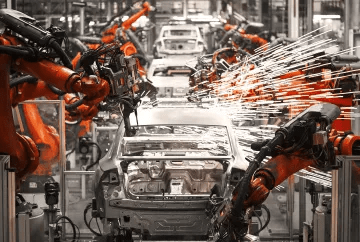
How AI is Transforming Manufacturing Supply Chains
1. Demand Forecasting
One of the key applications of AI in manufacturing is demand forecasting. AI algorithms can analyze historical sales data, market trends, and other relevant information to predict future demand with remarkable accuracy. This allows manufacturers to adjust production schedules, inventory levels, and distribution strategies accordingly, reducing the risk of overstocking or understocking products.
2. Predictive Maintenance
Machine breakdowns can be costly and disrupt production schedules. AI-powered predictive maintenance systems can monitor equipment in real time and predict when maintenance is needed based on data such as machine vibrations, temperature, and usage patterns. This proactive approach minimizes downtime and extends the lifespan of machinery.
3. Inventory Management
AI-driven inventory management systems can optimize stock levels by considering factors like demand forecasts, lead times, and production schedules. This helps manufacturers reduce carrying costs while ensuring products are readily available to meet customer demands.
4. Route Optimization
Efficient transportation and logistics are critical components of a manufacturing supply chain. AI algorithms can analyze various routes, traffic conditions, and delivery schedules to find the most cost-effective and timely way to transport goods.
5. Supplier Relationship Management
AI can help manufacturers monitor and evaluate supplier performance in real time. By analyzing supplier data, including delivery times, quality, and pricing, AI systems can identify potential issues and suggest improvements in supplier relationships.
6. Quality Control
AI-powered vision systems can inspect products for defects and inconsistencies with high precision. This ensures that only high-quality products reach customers, reducing returns and improving overall customer satisfaction.
7. Risk Management
AI can assess and predict risks in the supply chain, including geopolitical instability, natural disasters, and market fluctuations. Manufacturers can use this information to develop contingency plans and minimize the impact of unforeseen events.
Benefits of AI-Driven Supply Chain Optimization
The adoption of AI in manufacturing supply chains offers numerous benefits:
1. Cost Reduction : By optimizing processes, reducing waste, and minimizing downtime, AI can significantly lower operational costs.
2. Improved Efficiency : AI-driven systems can make real-time decisions and adjustments, improving the overall efficiency of the supply chain.
3. Enhanced Customer Satisfaction : Accurate demand forecasting and on-time deliveries lead to happier customers.
4. Sustainability : AI can help manufacturers reduce their environmental footprint by optimizing transportation routes and reducing energy consumption.
5. Competitive Advantage : Companies that embrace AI-driven supply chain optimization gain a competitive edge in the market.
Challenges and Considerations
While AI holds tremendous promise for manufacturing supply chains, there are challenges to overcome. These include data security concerns, the need for skilled AI talent, and the integration of AI systems with existing infrastructure. Manufacturers must carefully plan their AI adoption strategy to maximize the benefits while mitigating these challenges.
In conclusion, AI-driven supply chain optimization is reshaping the manufacturing industry. By harnessing the power of AI to analyze data, make real-time decisions, and predict future trends, manufacturers can streamline their operations, reduce costs, and provide better service to their customers. As technology continues to advance, we can expect AI to play an increasingly vital role in the future of manufacturing supply chains. Companies that embrace AI now will be better positioned to thrive in the competitive landscape of tomorrow.
 EliteExtant
You must be logged in to post a comment.