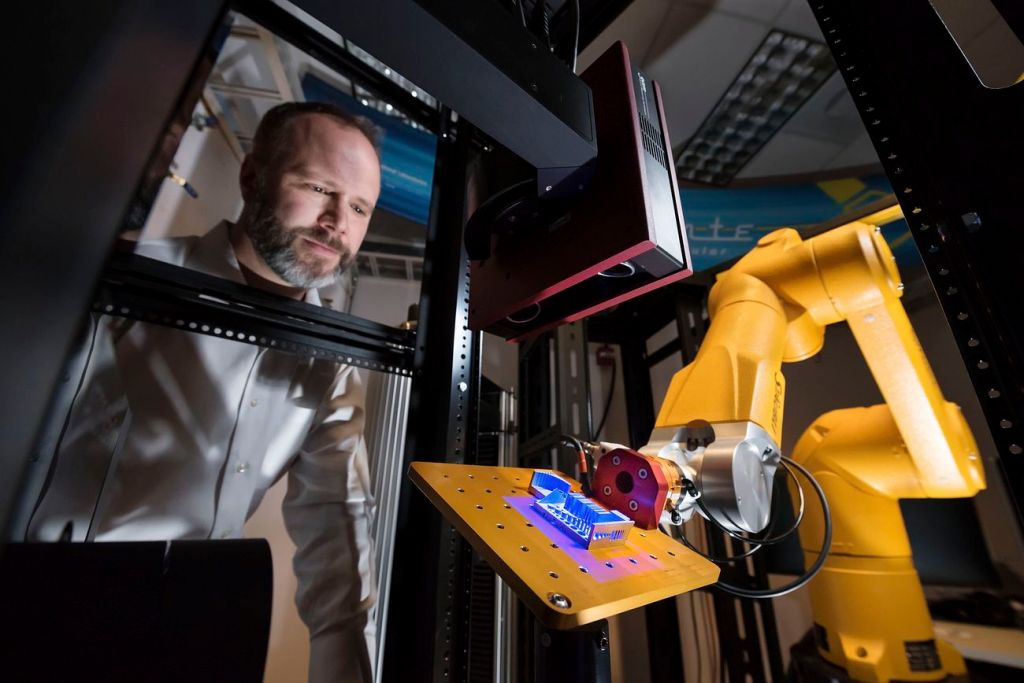
In the realm of robotics and automation, computer vision has emerged as a transformative technology that has revolutionized the way machines perceive and interact with the world. Computer vision enables robots and automated systems to interpret and understand visual information, allowing them to make informed decisions, navigate complex environments, and perform tasks with a level of precision and efficiency previously unimaginable. In this blog post, we will explore the pivotal role of computer vision in robotics and automation, its applications, and its impact on various industries.
Understanding Computer Vision
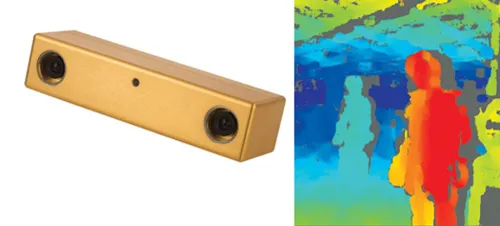
Computer vision is a field of artificial intelligence (AI) that focuses on giving machines the ability to interpret and understand visual data from the world, much like humans do. It involves the development of algorithms and systems that can analyze and make sense of images and videos, extracting meaningful information from them. This information can include object recognition, motion tracking, depth perception, and even facial recognition.
The Integration of Computer Vision in Robotics
1. Object Detection and Recognition
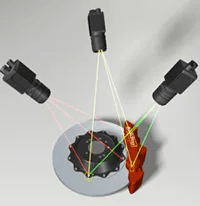
One of the fundamental applications of computer vision in robotics is object detection and recognition. Robots equipped with cameras and computer vision algorithms can identify and locate objects in their surroundings. This capability is crucial in industries like manufacturing and logistics, where robots need to pick and place objects accurately.
2. Navigation and Localization
Computer vision plays a pivotal role in enabling robots to navigate and localize themselves within their environments. By analyzing visual cues, such as landmarks or unique patterns, robots can map their surroundings and make real-time decisions to avoid obstacles and reach their destinations safely. This technology is vital in applications like autonomous vehicles and drones.
3. Quality Control and Inspection
In manufacturing, computer vision is used for quality control and inspection. Robots equipped with vision systems can detect defects, anomalies, or deviations from expected standards in products or processes. This helps ensure the production of high-quality goods and reduces the need for human intervention in repetitive inspection tasks.
4. Human-Robot Interaction
Computer vision also enhances human-robot interaction. Robots can use facial recognition and gesture recognition to understand human emotions and intentions, making them more effective in collaborative environments. This is particularly valuable in settings like healthcare, where robots assist patients and healthcare professionals.
5. Agriculture and Environmental Monitoring
In agriculture and environmental monitoring, computer vision-equipped drones and robots can assess crop health, detect pests, and monitor environmental changes. This aids in precision agriculture, conserving resources and optimizing crop yields.
6. Healthcare and Surgery
Computer vision is transforming healthcare by assisting in surgical procedures and medical diagnostics. Robots with advanced vision systems can provide surgeons with real-time, high-resolution images, improving the precision and safety of surgeries.
Challenges and Future Prospects
While computer vision has made remarkable strides in robotics and automation, several challenges remain. These include handling complex and dynamic environments, ensuring robustness against lighting changes, and addressing privacy and ethical concerns, especially in surveillance and facial recognition applications.
The future of computer vision in robotics and automation looks promising. Advances in deep learning, neural networks, and sensor technologies continue to drive innovation in this field. As a result, we can expect even more capable and versatile robots and automated systems that can perform increasingly complex tasks across a wide range of industries.
Conclusion
Computer vision has become an indispensable tool in the world of robotics and automation. Its ability to process and interpret visual information has opened up new possibilities in various sectors, from manufacturing and healthcare to agriculture and transportation. As technology continues to advance, we can anticipate that the role of computer vision in robotics and automation will only expand, leading to smarter, more efficient, and safer automated systems that benefit society as a whole.
Please do leave your feedback as your opinion matters to us, please click the link and let us know what you think about blog by Eliteextant
 EliteExtant
You must be logged in to post a comment.