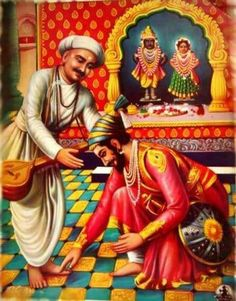
Sant Tukaram, also known as Tukaram Maharaj, was a 17th-century Indian saint and poet who left an indelible mark on the spiritual and literary landscape of Maharashtra, India. His life and teachings continue to inspire millions of people across the country and beyond. In this blog, we will delve into the life, works, and enduring legacy of this revered saint-poet.
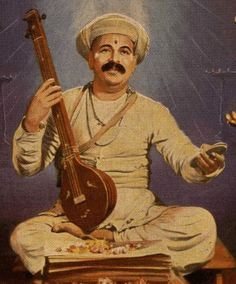
Early Life
Sant Tukaram was born in 1608 in the village of Dehu, near Pune, in what is now the Indian state of Maharashtra. His family belonged to the Marathi-speaking community, and he grew up in a deeply religious household. From a young age, Tukaram exhibited a keen interest in spirituality and a strong devotion to Lord Vithoba, a form of Lord Krishna.
Spiritual Awakening
Tukaram’s spiritual journey was marked by a deep and intense longing for God. He sought solace in the devotional songs and bhajans (spiritual songs) of various saints, which only deepened his connection with the divine. His devotion and yearning for a deeper understanding of God led him to embrace the path of bhakti (devotion) and become a sant (saint).
Literary Contributions
Sant Tukaram is best known for his abhangas, which are devotional songs or poems composed in the Marathi language. These abhangas are expressions of his deep love and devotion for Lord Vithoba and his philosophical insights into life, spirituality, and the human condition. His poetry is imbued with simplicity and sincerity, making it accessible to people from all walks of life.
Tukaram’s abhangas often addressed common human struggles, the pursuit of righteousness, and the importance of living a life of virtue and devotion. His verses touched the hearts of countless individuals, providing solace and guidance in times of difficulty.
The Abhanga Sampradaya
Tukaram’s legacy extends beyond his writings. He played a crucial role in popularizing the bhakti movement in Maharashtra and establishing the Abhanga Sampradaya, a spiritual tradition centered around the composition and recitation of abhangas. This tradition continues to thrive in Maharashtra and has attracted followers from diverse backgrounds.
The Abhanga Sampradaya emphasizes the importance of simple living, devotion to God, and the use of music and poetry as tools for spiritual awakening. It has had a profound impact on the cultural and religious life of the region.
Struggles and Perseverance
Sant Tukaram’s life was not without its share of challenges. He faced adversity, including the loss of his first wife and child, and financial difficulties. Despite these hardships, his unwavering faith and devotion to God remained steadfast. Tukaram’s life serves as an inspiring example of how one can navigate the trials of life through spirituality and unwavering faith.
Sant Tukaram’s Passing
Sant Tukaram left this world in 1649, but his teachings and abhangas continue to inspire and guide people to this day. His memory is honored annually during the Pandharpur Wari, a pilgrimage to the temple of Lord Vithoba in Pandharpur, Maharashtra, where thousands of devotees sing his abhangas and pay their respects.
Legacy
Sant Tukaram’s legacy is immense. His abhangas have been compiled in various anthologies, and his teachings continue to be studied and revered by scholars, poets, and spiritual seekers. His life story and poetry have been the subject of numerous books, plays, and films, further spreading his message of devotion, simplicity, and righteousness.
Conclusion
Sant Tukaram, the saint-poet of Maharashtra, is a revered figure in Indian spirituality and literature. His life and works serve as a source of inspiration and guidance for those seeking a deeper connection with the divine and a path to living a virtuous life. His legacy continues to shine brightly, reminding us of the power of devotion, faith, and the written word to uplift and transform lives. Sant Tukaram’s abhangas remain a timeless treasure, offering solace and spiritual insight to all who seek it.
 EliteExtant
You must be logged in to post a comment.