
In the rich tapestry of India’s spiritual and social history, the lives and teachings of numerous saints and reformers have left an indelible mark. One such luminary is Sant Chokhamela, a 14th-century saint from the Bhakti movement in Maharashtra. His life and work continue to inspire generations, emphasizing the power of devotion, social reform, and the pursuit of spiritual truth.
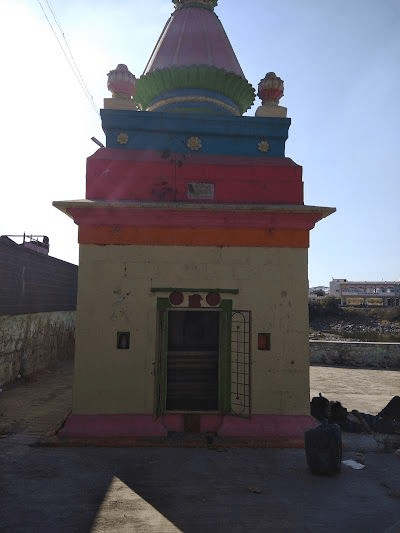
Early Life and Background
Sant Chokhamela was born in a humble family in the village of Mehunbare in Maharashtra, India, around the 14th century. He belonged to the Mahar community, a marginalized and oppressed Dalit community in the traditional caste hierarchy of India. His life began in challenging circumstances, marked by social discrimination and economic hardships.
The Bhakti Movement
During Sant Chokhamela’s time, the Bhakti movement was gaining momentum across India. This devotional movement, which transcended caste and social boundaries, focused on a personal and intimate relationship with the divine. Bhakti saints believed in the universality of devotion and emphasized that true devotion could be expressed by anyone, regardless of their social status.
Chokhamela’s Spiritual Journey
Sant Chokhamela’s life took a profound turn when he encountered the teachings of Sant Dnyaneshwar, a revered saint and poet of the Bhakti movement. Inspired by Dnyaneshwar’s writings, Chokhamela embraced the path of devotion and dedicated his life to the worship of Lord Vithoba, a form of Lord Krishna.
Chokhamela’s Varkari Tradition
Sant Chokhamela is often associated with the Varkari tradition, a form of Bhakti that involves a pilgrimage to the temple of Lord Vithoba in Pandharpur. Chokhamela’s hymns, known as Abhanga, expressed his deep devotion and love for Lord Vithoba. These Abhanga poems became an essential part of the Varkari tradition, inspiring countless pilgrims on their journey to Pandharpur.
Social Reformer and Advocate for Equality
Chokhamela’s life was not just about devotion; it was also marked by his commitment to social reform and the fight against caste discrimination. As a Dalit himself, he understood the pain and suffering of his community. He advocated for the equality of all human beings and challenged the oppressive caste system of his time.
One of Chokhamela’s most significant contributions to social reform was his rejection of the traditional occupation of his community, which involved handling dead animals. He abandoned this work to pursue a life of devotion and self-improvement, setting an example for others in his community to break free from the chains of caste-based occupations.
Legacy and Impact
Sant Chokhamela’s legacy endures through his devotional poetry, which continues to inspire people to this day. His Abhanga poems are not only spiritual but also a powerful medium of social critique and reform. They call for an end to discrimination, highlighting the fundamental unity of all beings in the eyes of the divine.
Chokhamela’s teachings continue to resonate with individuals who seek both spiritual enlightenment and social justice. His life story stands as a testament to the transformative power of devotion and the potential for individuals, regardless of their social background, to bring about positive change in society.
Conclusion
Sant Chokhamela’s life is a remarkable tale of devotion, social reform, and unwavering commitment to the pursuit of truth and justice. His journey from a marginalized Dalit to a revered saint and social reformer is a source of inspiration for people from all walks of life. In a world still grappling with issues of discrimination and inequality, Sant Chokhamela’s message of love, devotion, and social reform continues to shine brightly, offering hope and guidance to those who seek a more just and compassionate society.
 EliteExtant
You must be logged in to post a comment.