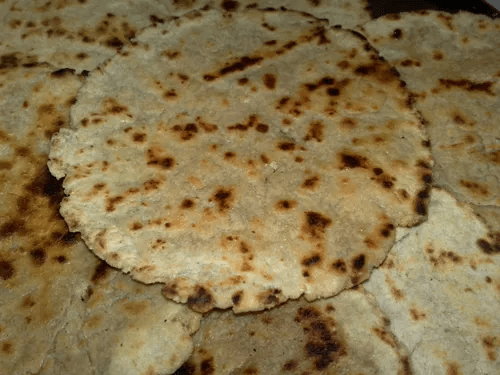
Indian cuisine is a treasure trove of flavors and textures, offering a diverse range of dishes that cater to various tastes and preferences. Among the myriad of culinary delights that grace Indian tables, one that stands out for its simplicity, versatility, and deliciousness is “Bhakri.” Bhakri is a traditional Indian flatbread that has been a staple in many households for generations. In this blog, we’ll explore the history, ingredients, and the step-by-step recipe to make this mouthwatering delight.
A Brief History of Bhakri
Bhakri has its roots deeply embedded in the Indian subcontinent, particularly in the states of Maharashtra, Gujarat, and Rajasthan. Its origins can be traced back centuries when people in these regions had to rely on a durable, easy-to-make, and nutritious bread for sustenance during long and arduous journeys or in times of scarcity.
What sets Bhakri apart is its adaptability. It can be enjoyed as a simple, rustic meal with accompaniments like garlic chutney, yogurt, or pickle. On the other hand, it can also be dressed up with various toppings and fillings, making it suitable for all occasions, from everyday meals to festive feasts.
Ingredients for Basic Bhakri
Making Bhakri at home is a straightforward process, and it requires minimal ingredients. Here’s what you’ll need:
For the dough:
- 1 cup of millet flour (bajra or jowar flour)
- 1/2 cup of whole wheat flour (optional, for a softer texture)
- Salt to taste
- Warm water for kneading
For cooking:
- Dry flour or bajra/jowar flour for dusting
Steps to Prepare Bhakri
1. Prepare the Dough:
- In a mixing bowl, combine the millet flour, whole wheat flour (if using), and a pinch of salt.
- Gradually add warm water to the flour mixture while kneading it into a smooth, firm dough. The dough should be pliable but not sticky.
2. Divide the Dough:
- Once the dough is ready, divide it into small, lemon-sized balls. You can make them slightly larger or smaller depending on your preference for the size of the Bhakri.
3. Roll Out the Bhakri:
- Take one dough ball and flatten it slightly with your palm.
- Place the dough ball on a clean, dry surface, and start rolling it out into a flat, round disc using a rolling pin. Traditionally, Bhakri is thicker than regular rotis or chapatis, so make sure to keep it relatively thick, around 1/4 to 1/2 inch.
4. Cook the Bhakri:
- Heat a non-stick or cast-iron skillet (tava) over medium-high heat.
- Carefully transfer the rolled-out Bhakri onto the hot skillet.
- Cook each side for about 2-3 minutes or until it starts to puff up and develop golden-brown spots.
- If needed, lightly press the Bhakri with a spatula to ensure it cooks evenly.
5. Serve Hot:
- Once both sides are cooked to perfection, remove the Bhakri from the skillet.
- Serve it hot with your choice of accompaniments, such as chutney, yogurt, vegetables, or curry.
Bhakri Variations
While the basic Bhakri recipe is delightful in its simplicity, you can get creative and experiment with various ingredients to add flavor and texture. Here are a few popular variations:
- Methi (Fenugreek) Bhakri: Add finely chopped fresh fenugreek leaves to the dough for a unique flavor.
- Spicy Bhakri: Mix in red chili powder, cumin seeds, and other spices for a spicier version.
- Stuffed Bhakri: Stuff the Bhakri with fillings like mashed potatoes, grated paneer, or cooked spinach before rolling it out.
Conclusion
Bhakri, with its rustic charm and versatility, remains a beloved part of Indian cuisine. Whether you enjoy it as a quick, nutritious meal or elevate it with creative fillings and seasonings, Bhakri is a testament to the culinary diversity that India has to offer. So, the next time you’re craving a taste of India, roll up your sleeves, and make some Bhakri to savor the rich flavors of this traditional flatbread.
 EliteExtant
You must be logged in to post a comment.