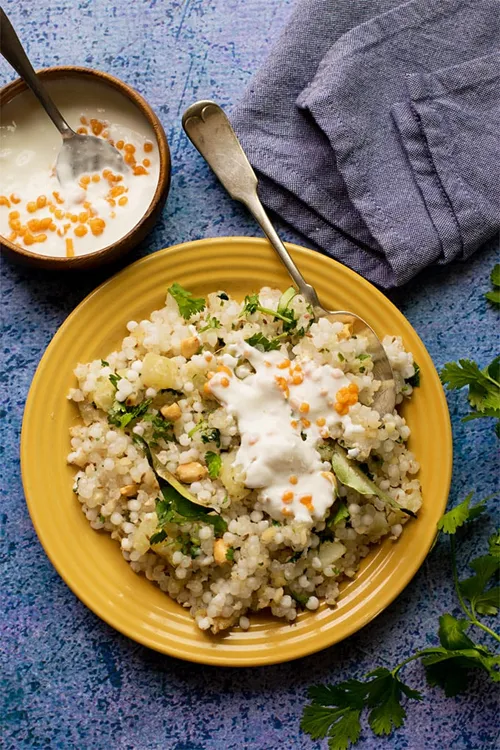
Sabudana Khichdi is a popular Indian dish that holds a special place in the hearts of millions. It’s a delightful, flavorful, and wholesome meal that is particularly cherished during fasting periods like Navratri, Ekadashi, and Maha Shivaratri. However, it’s so delicious that many enjoy it as a regular breakfast or snack. In this blog, we’ll explore the origins of Sabudana Khichdi, its nutritional benefits, and provide you with a simple recipe to make this delightful dish at home.
The Origins of Sabudana Khichdi
Sabudana Khichdi is believed to have originated in the western Indian states of Maharashtra and Gujarat, where it is a staple during fasting days. “Sabudana” refers to tapioca pearls, and “Khichdi” is a term used for a one-pot dish that typically contains rice and lentils. Despite its association with fasting, this dish has gained popularity year-round due to its delicious taste and easy preparation.
Nutritional Benefits of Sabudana Khichdi
Sabudana Khichdi is not only tasty but also nutritious. Here are some of its key nutritional benefits:
- High in Carbohydrates: Sabudana is primarily composed of carbohydrates, making it an excellent source of energy. This makes it an ideal choice for providing quick energy during fasting.
- Rich in Fiber: Tapioca pearls are a good source of dietary fiber, aiding in digestion and keeping you feeling full for longer periods.
- Gluten-Free: Sabudana is naturally gluten-free, making it suitable for individuals with gluten sensitivities or celiac disease.
- Protein: While not as protein-rich as other grains, sabudana does contain some protein, which is essential for muscle repair and overall health.
- Mineral Content: It provides essential minerals like calcium, iron, and magnesium.
Sabudana Khichdi Recipe
Now that you know about the origins and nutritional benefits, let’s dive into a simple recipe to prepare Sabudana Khichdi at home.
Ingredients:
- 1 cup sabudana (tapioca pearls)
- 2-3 medium-sized potatoes, peeled and diced
- 2-3 green chilies, finely chopped
- 1/2 cup roasted peanuts, coarsely crushed
- 1 tsp cumin seeds
- 1/2 tsp sugar
- 2 tbsp ghee (clarified butter) or vegetable oil for a vegan version
- A handful of fresh coriander leaves, chopped
- Salt to taste
- Juice of one lemon
Instructions:
- Wash and Soak Sabudana:
- Rinse the sabudana under cold water until the water runs clear.
- Soak the sabudana in just enough water to cover them for 4-6 hours or overnight. The sabudana should become soft and swell.
- Drain Excess Water:
- After soaking, drain any excess water using a strainer. Let them sit for an additional 30 minutes to remove excess moisture.
- Roast Peanuts:
- In a pan, dry roast the peanuts until they become crunchy. Remove the skins and coarsely crush them. Set aside.
- Prepare the Khichdi:
- In a large skillet, heat ghee or oil over medium heat.
- Add cumin seeds and green chilies, sauté for a minute.
- Add the diced potatoes and cook until they turn golden brown and are soft.
- Add the drained sabudana, crushed peanuts, sugar, and salt. Mix well.
- Cook for 5-7 minutes, stirring occasionally until the sabudana turns translucent.
- Garnish and Serve:
- Turn off the heat and add chopped coriander leaves and lemon juice. Mix well.
- Serve hot, garnished with some extra chopped coriander leaves and more crushed peanuts.
Conclusion
Sabudana Khichdi is a delightful and nutritious dish that can be enjoyed by everyone, whether you’re fasting or not. Its unique texture and flavors make it a favorite among people of all ages. So, go ahead and try this recipe to experience the goodness of sabudana in a delicious and satisfying way. Whether it’s for breakfast, lunch, or dinner, Sabudana Khichdi is sure to become a regular addition to your menu. Enjoy!
 EliteExtant
You must be logged in to post a comment.