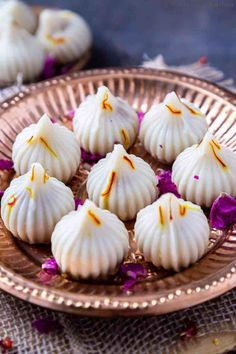
When it comes to traditional Indian sweets, few can match the charm and taste of the Modak. These delectable dumplings are not only a treat for the taste buds but also hold significant cultural and religious importance. Modaks are closely associated with Lord Ganesha, the elephant-headed deity who is revered as the Remover of Obstacles and the God of Wisdom. As such, Modaks are an integral part of Ganesh Chaturthi celebrations and are offered as a sacred prasad to Lord Ganesha. In this blog, we will dive into the world of Modaks, exploring their history, significance, and a simple yet delicious Modak recipe that you can try at home.
The Significance of Modak
Modaks are believed to be Lord Ganesha’s favorite sweet, and offering them to the deity is considered highly auspicious. The word “Modak” is derived from the Sanskrit word “mod,” which means happiness or pleasure. It’s no wonder then that biting into a Modak brings immense joy to anyone who savors it.
These sweet dumplings are also symbolic in their shape. Modaks are typically made with a rice flour or wheat flour shell, which represents the external world, and the sweet filling inside represents the inner, divine essence. The top of the Modak is adorned with pleats, often resembling a pot or an elephant’s trunk, signifying purity and auspiciousness.
Modak Recipe
Now, let’s explore a traditional recipe to make these delightful treats at home.
Ingredients:
For the Outer Shell:
- 1 cup rice flour
- 1 cup water
- A pinch of salt
- 1 tsp ghee (clarified butter)
For the Sweet Filling:
- 1 cup grated coconut
- 1/2 cup jaggery (or sugar if jaggery is unavailable)
- 1/2 tsp cardamom powder
- A pinch of nutmeg (optional)
- A few chopped nuts (cashews, almonds) and raisins
Instructions:
- Prepare the Filling:
- Heat a pan on low-medium heat.
- Add grated coconut and jaggery (or sugar) to the pan.
- Stir continuously until the jaggery melts and combines with the coconut.
- Add cardamom powder and nutmeg (if using).
- Mix well and continue cooking until the mixture thickens and leaves the sides of the pan.
- Add chopped nuts and raisins, mix, and remove from heat.
- Allow the mixture to cool.
- Prepare the Outer Shell:
- In a separate pan, bring water to a boil.
- Add a pinch of salt and ghee to the boiling water.
- Reduce the heat to low and add rice flour while continuously stirring to avoid lumps.
- Cook the mixture until it forms a soft, pliable dough.
- Remove the dough from heat and let it cool for a while.
- Assemble the Modaks:
- Grease your palms with a little ghee.
- Take a small portion of the dough and flatten it to form a small disc in your palm.
- Place a spoonful of the sweet filling in the center of the dough disc.
- Carefully bring the edges of the dough together and make pleats at the top, sealing the filling inside.
- Repeat this process to make more Modaks.
- Steam the Modaks:
- Place the Modaks in a steamer and steam them for about 10-15 minutes until they are cooked and the outer shell becomes translucent.
- Serve:
- Once the Modaks have cooled slightly, you can remove them from the steamer and serve them as prasad or as a delightful dessert.
Conclusion
Modaks are not just a delicious sweet treat but a representation of tradition, culture, and spirituality. Making these delightful dumplings at home can be a truly rewarding experience, especially during festivals like Ganesh Chaturthi. As you offer these homemade Modaks to Lord Ganesha or share them with family and friends, you’ll not only savor their taste but also partake in the rich heritage and spiritual significance they carry. So, go ahead and try your hand at making Modaks, and enjoy the joy they bring to your heart and soul.
 EliteExtant
You must be logged in to post a comment.