Introduction
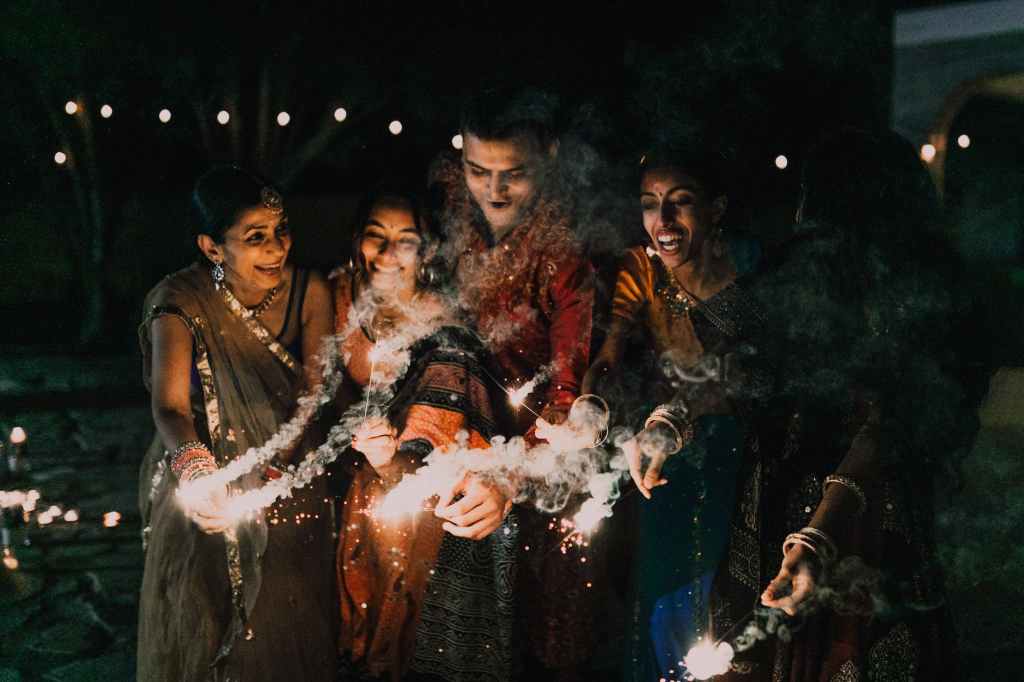
Diwali, also known as Deepavali, is one of the most celebrated festivals in India and among Hindu communities worldwide. It is a festival of light and joy, symbolizing the triumph of good over evil and the victory of light over darkness. Diwali is not just a religious festival; it’s a time for families to come together, exchange gifts, share delicious food, and create beautiful memories. In this blog, we will explore the significance, traditions, and the vibrant celebrations that make Diwali a truly magical time of the year.
Significance of Diwali
- Victory of Light over Darkness: Diwali marks the return of Lord Rama, an incarnation of Lord Vishnu, from his 14-year exile and his triumph over the demon king Ravana. The lighting of lamps and fireworks symbolize the victory of light (good) over darkness (evil).
- Spiritual Significance: For Hindus, Diwali also signifies the worship of Goddess Lakshmi, the goddess of wealth and prosperity. It is believed that she visits clean and well-lit homes, bringing prosperity and happiness. People perform puja (prayers) to seek her blessings.
- New Beginnings: Diwali also marks the start of the Hindu New Year in some regions of India. It’s a time for reflection, setting new goals, and making resolutions for the upcoming year.
Traditions and Celebrations
- Cleaning and Decoration: The preparation for Diwali begins weeks in advance with thorough cleaning and decorating of homes. Families clean their houses to welcome Goddess Lakshmi and decorate them with colorful rangoli (decorative designs made with colored powders), diyas (clay lamps), and colorful lanterns.
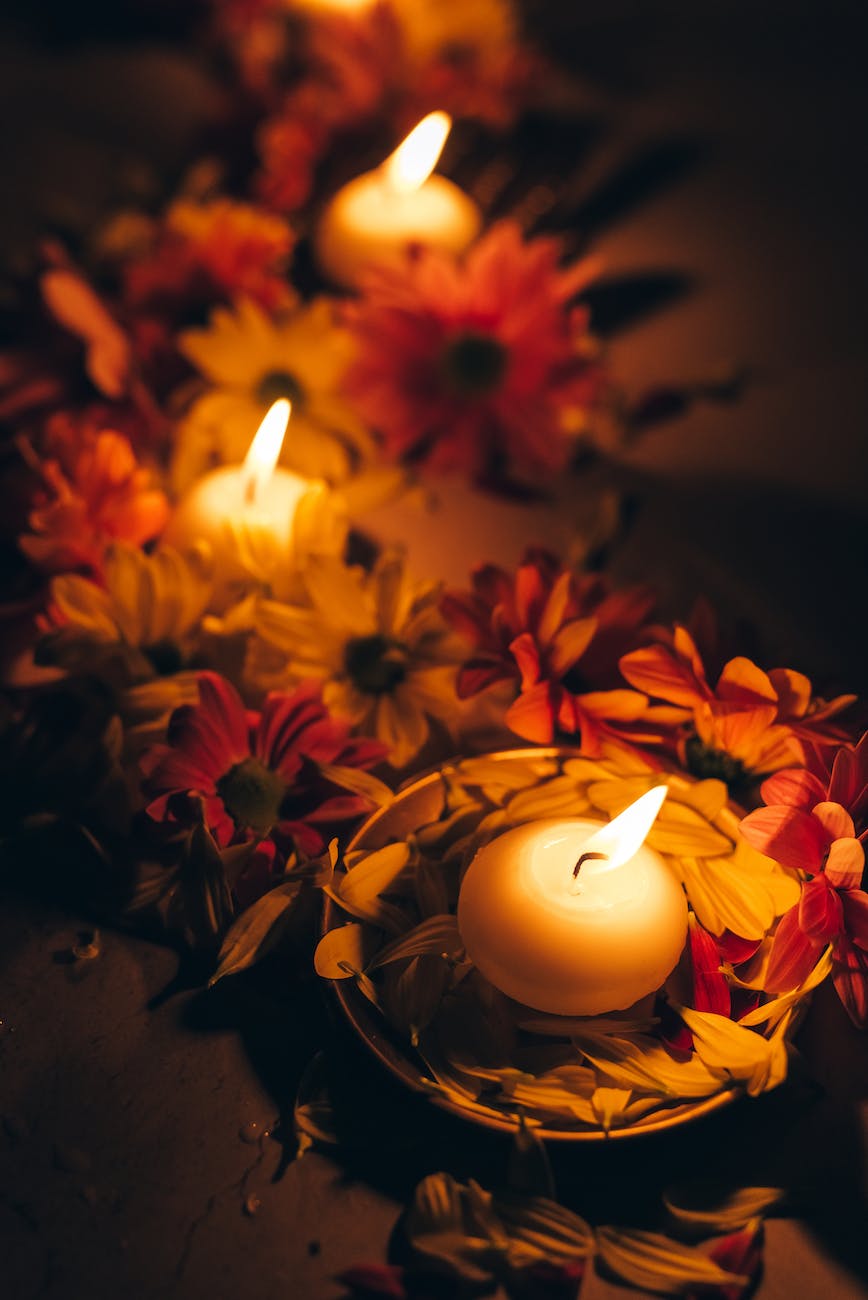
- Lighting of Diyas: On the night of Diwali, households and streets are illuminated with thousands of diyas and candles. The sight of these lights twinkling in the darkness is mesmerizing and represents the dispelling of ignorance with knowledge.
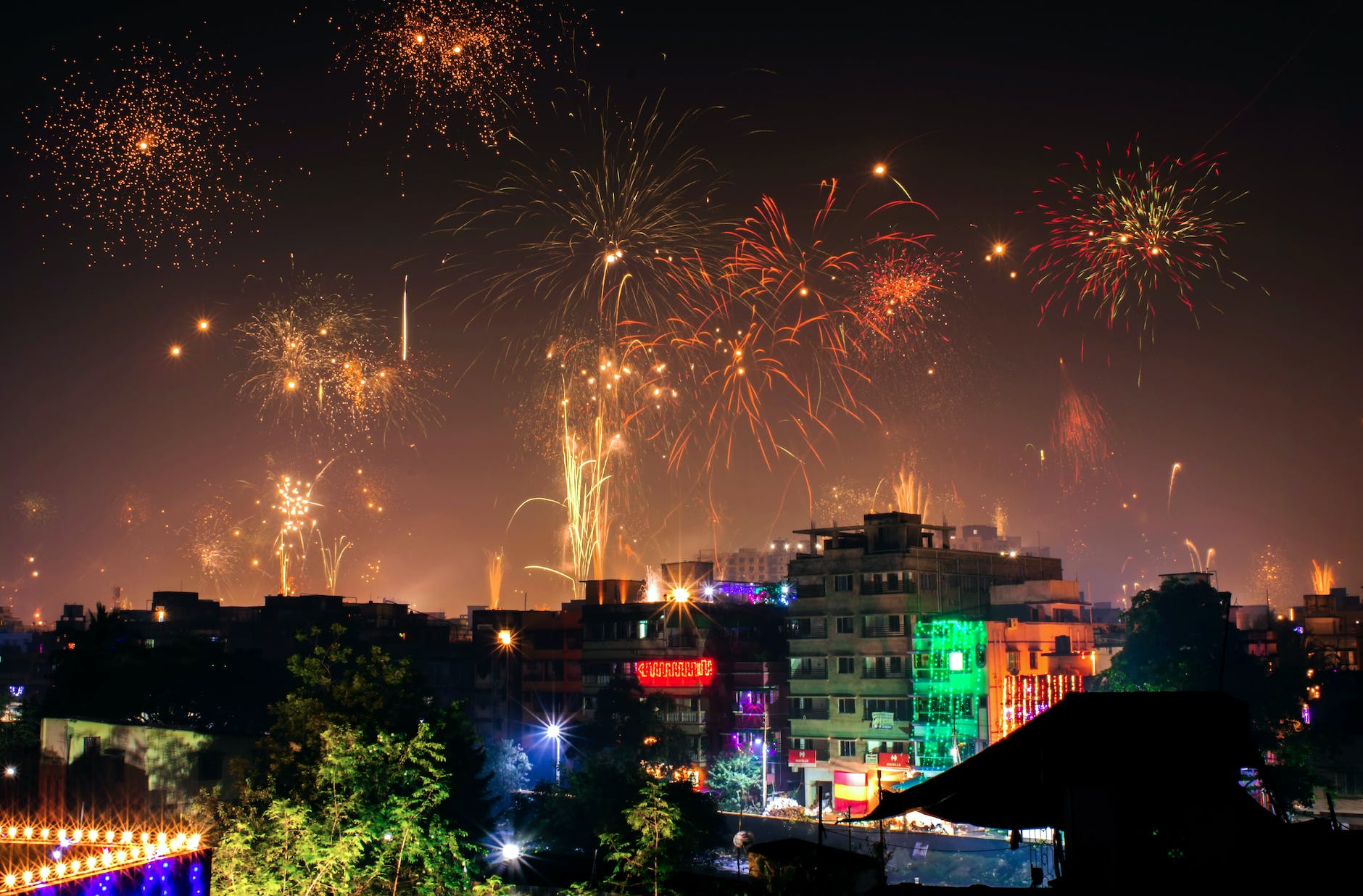
- Fireworks: Fireworks are an integral part of Diwali celebrations. People burst fireworks, creating a stunning display of colors and lights in the night sky. However, in recent years, there has been increasing awareness about the environmental impact of fireworks, and some have opted for eco-friendly alternatives.
- Exchanging Gifts: The tradition of giving and receiving gifts is another delightful aspect of Diwali. Families and friends exchange sweets, dry fruits, and gifts as tokens of love and affection. This custom strengthens relationships and spreads joy.
- Feasting: Diwali is a gastronomic delight with families preparing a variety of special dishes and sweets. Popular sweets include gulab jamun, jalebi, laddoos, and barfi. Families come together to enjoy these delectable treats.
- Cultural Performances: In many parts of India, people organize cultural performances, including traditional dances, music, and plays, to celebrate Diwali. These events showcase the rich cultural heritage of the country.
- Puja and Prayers: On the main day of Diwali, families gather for prayers and puja ceremonies. Temples are beautifully adorned, and devotees visit to seek blessings from the gods and goddesses.
Conclusion
Diwali, the Festival of Lights, is a celebration that transcends religious and cultural boundaries. It unites people in the spirit of love, hope, and positivity. The vibrant decorations, the warm exchange of gifts, the mouthwatering cuisine, and the dazzling fireworks all contribute to the festive atmosphere.
Moreover, Diwali carries a powerful message of the eternal battle between good and evil, with the light of goodness ultimately prevailing. As we celebrate Diwali, let us not only revel in its festivities but also reflect on the significance of this beautiful festival and the values it represents. May the light of Diwali illuminate our lives and bring joy and prosperity to all.
Happy Diwali! May your life be filled with light, love, and laughter.
 EliteExtant
You must be logged in to post a comment.