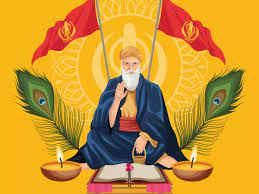
Guru Nanak Jayanti, also known as Gurpurab, is one of the most significant and revered festivals in Sikhism. It marks the birth anniversary of Guru Nanak Dev Ji, the founder of Sikhism and the first of the ten Sikh Gurus. This auspicious day is celebrated with great enthusiasm and devotion by Sikhs and followers of Guru Nanak’s teachings worldwide. Let’s delve into the rich traditions and customs that make Guru Nanak Jayanti a truly special and spiritually uplifting occasion.
The Life and Teachings of Guru Nanak Dev Ji
Before we dive into the celebration, it’s essential to understand the life and teachings of Guru Nanak Dev Ji. He was born on April 15, 1469, in the village of Rai Bhoi Ki Talwandi, which is now known as Nankana Sahib in Pakistan. Guru Nanak Dev Ji’s life was marked by a profound spiritual journey, and his teachings emphasized love, equality, and compassion for all living beings.
The central tenets of Guru Nanak’s philosophy include:
- Oneness of God: Guru Nanak Dev Ji preached the concept of “Ik Onkar,” which means there is only one God who is formless, timeless, and beyond human comprehension.
- Equality: He vehemently opposed discrimination based on caste, religion, or social status, emphasizing that all human beings are equal in the eyes of the Divine.
- Service: Guru Nanak Dev Ji advocated for selfless service to humanity as a way to connect with God.
- Nam Japna (Meditation): Sikhs are encouraged to meditate on God’s name, which helps in attaining inner peace and spiritual enlightenment.
- Kirat Karni (Honest Living): Guru Nanak stressed the importance of earning an honest living through hard work and integrity.
Guru Nanak Jayanti Celebration
- Akhand Path: The celebration typically begins with the recitation of the Guru Granth Sahib, the holy scripture of Sikhism, in a continuous manner for 48 hours or longer. This continuous reading is known as Akhand Path and is carried out in Gurdwaras (Sikh temples) worldwide.
- Nagar Kirtan: On the day of Guru Nanak Jayanti, a Nagar Kirtan (procession) takes place. It involves the Sikh community marching through the streets, singing hymns, and carrying the Guru Granth Sahib on a beautifully decorated palanquin. This procession is a symbol of the teachings of Guru Nanak, emphasizing equality and community.
- Gurdwara Visits: Devotees visit Gurdwaras to offer prayers, seek blessings, and partake in Langar (community meal). Langar is a hallmark of Sikhism, where people from all walks of life are welcome to share a free meal, symbolizing equality and communal harmony.
- Kirtan and Katha: Special kirtan (devotional singing) and katha (scriptural discourse) programs are organized in Gurdwaras. These events focus on the life and teachings of Guru Nanak Dev Ji, inspiring attendees to live by his principles.
- Community Service: Guru Nanak Jayanti is also a time for Sikhs to engage in selfless service. Many participate in charitable activities, such as distributing food to the needy or organizing medical camps, as a way of honoring Guru Nanak’s teachings.
- Decorations and Illuminations: Gurdwaras and homes are adorned with colorful lights and decorations to mark the festive occasion.
Conclusion
Guru Nanak Jayanti is not only a religious festival but also a celebration of the timeless wisdom and teachings of Guru Nanak Dev Ji, which continue to inspire and guide millions of people worldwide. It serves as a reminder of the values of unity, equality, and compassion, which are at the heart of Sikhism. This auspicious day brings people from diverse backgrounds together, fostering a sense of community and solidarity. As we celebrate Guru Nanak Jayanti, may we all be inspired to live by the Guru’s teachings and work towards a more harmonious and compassionate world.
 EliteExtant
You must be logged in to post a comment.