
Breathing is an automatic, essential function that we often take for granted. Yet, our breath holds incredible power over our physical, mental, and emotional well-being. From ancient meditation practices to modern wellness routines, conscious breathing techniques are lauded for their ability to enhance health, reduce stress, and improve overall quality of life. In this blog, we’ll explore the science and art of breathwork, and how you can harness its benefits to lead a healthier, more balanced life.
The Science Behind Breathing
Breathing is a complex process involving the respiratory system, which includes the lungs, diaphragm, and a network of airways. This system works tirelessly to oxygenate the blood, expel carbon dioxide, and regulate the body’s pH levels. Beyond its basic physiological functions, breathing also has profound effects on the nervous system.
- Activation of the Parasympathetic Nervous System: Deep, slow breathing activates the parasympathetic nervous system, often referred to as the “rest and digest” system. This promotes relaxation, reduces stress, and lowers heart rate and blood pressure.
- Regulation of Stress Hormones: Conscious breathing techniques can reduce the levels of cortisol, the primary stress hormone, thereby mitigating the effects of chronic stress on the body and mind.
- Improved Oxygenation: Efficient breathing enhances oxygen delivery to the body’s tissues, improving cellular function and energy levels.
The Art of Conscious Breathing
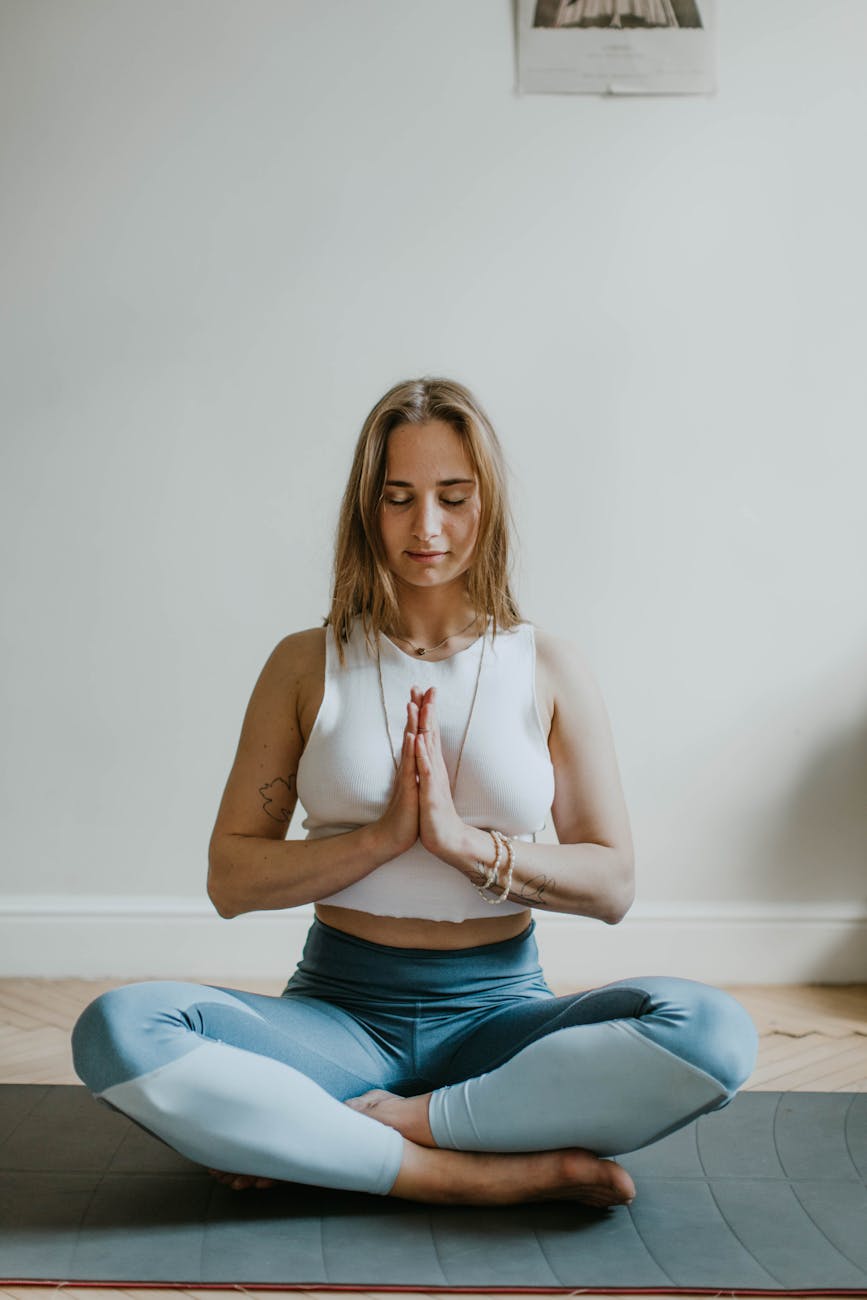
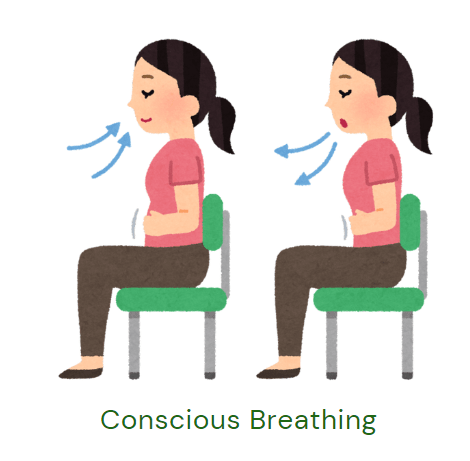
While we all breathe involuntarily, conscious breathing involves deliberate control and awareness of the breath. Various techniques have been developed to harness the benefits of mindful breathing:
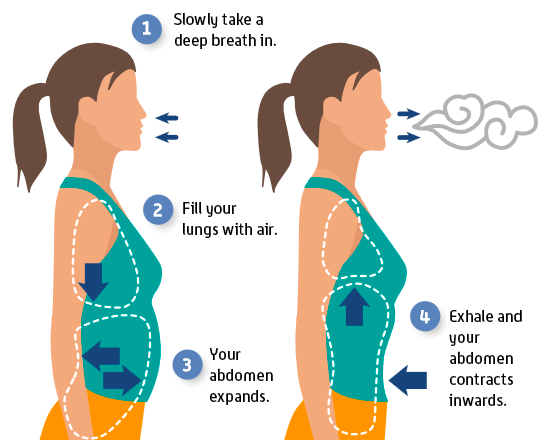
- Diaphragmatic Breathing: Also known as belly breathing, this technique involves breathing deeply into the diaphragm rather than shallowly into the chest. This encourages full oxygen exchange and promotes relaxation. How to Practice:
- Sit or lie down comfortably.
- Place one hand on your chest and the other on your belly.
- Inhale deeply through your nose, allowing your belly to rise.
- Exhale slowly through your mouth, letting your belly fall.
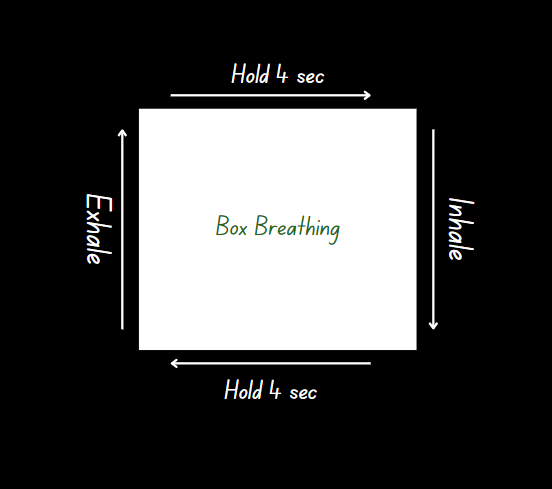
- Box Breathing: This method is often used by athletes and military personnel to enhance focus and calm the mind. How to Practice:
- Inhale through your nose for a count of four.
- Hold your breath for a count of four.
- Exhale through your mouth for a count of four.
- Hold your breath for a count of four.
- Repeat the cycle.
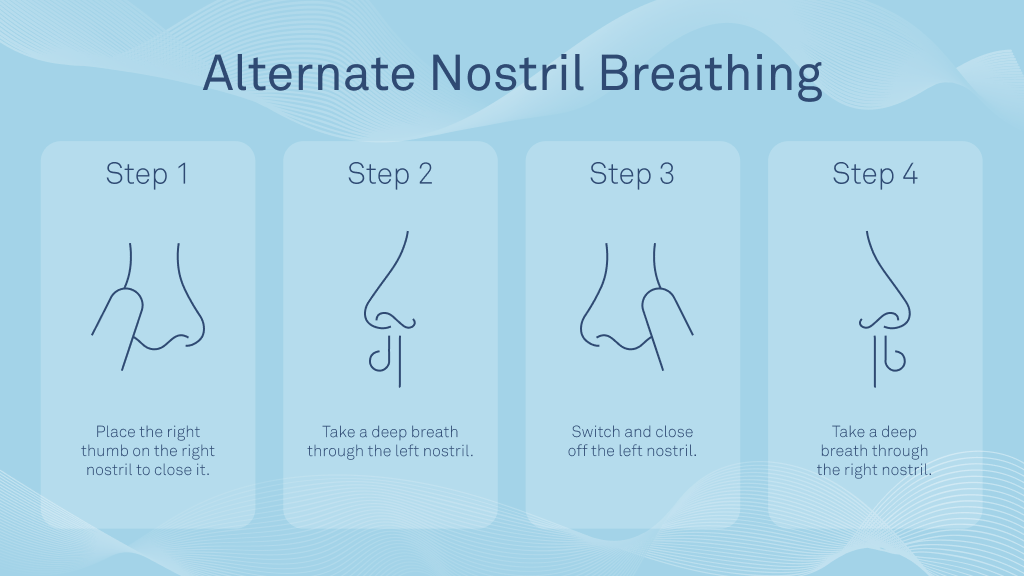
- Alternate Nostril Breathing: Common in yoga practice, this technique balances the left and right hemispheres of the brain and calms the mind. How to Practice:
- Sit comfortably and close your right nostril with your right thumb.
- Inhale deeply through your left nostril.
- Close your left nostril with your right ring finger and release your thumb from your right nostril.
- Exhale through your right nostril.
- Inhale through your right nostril, then close it with your thumb and release your ring finger from your left nostril.
- Exhale through your left nostril.
- Repeat the cycle.
Benefits of Conscious Breathing
- Stress Reduction: Conscious breathing activates the parasympathetic nervous system, helping to counteract the stress response and promote relaxation.
- Enhanced Mental Clarity: By increasing oxygen flow to the brain, conscious breathing can improve focus, concentration, and cognitive function.
- Emotional Regulation: Breathing techniques can help manage emotions, reduce anxiety, and promote a sense of calm and well-being.
- Improved Physical Health: Regular practice of breathing exercises can lower blood pressure, enhance lung function, and boost the immune system.

Integrating Breathwork into Daily Life
Incorporating conscious breathing into your daily routine doesn’t require a significant time commitment. Here are some simple ways to make breathwork a regular part of your life:
- Morning Routine: Start your day with a few minutes of deep, mindful breathing to set a positive tone for the day ahead.
- Work Breaks: Take short breaks during your workday to practice breathing exercises, helping to reduce stress and maintain focus.
- Pre-Sleep Ritual: Engage in calming breathwork before bed to promote relaxation and improve sleep quality.
- Mindful Moments: Whenever you feel overwhelmed or anxious, take a moment to focus on your breath, bringing yourself back to a state of calm and balance.
Conclusion
Our breath is a powerful tool that, when harnessed consciously, can have a profound impact on our health and well-being. By incorporating simple breathing techniques into your daily life, you can unlock the transformative power of breath and enjoy a more balanced, peaceful existence. Remember, every breath is an opportunity to connect with yourself, calm your mind, and nourish your body. So take a deep breath, and embrace the journey toward wellness.
 EliteExtant
You must be logged in to post a comment.