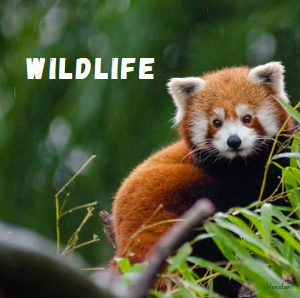
In the grand tapestry of nature, there is an inherent peace that resonates through the interconnected lives of animals, trees, and the environment. This delicate balance, nurtured by love and respect for all living things, forms the foundation of a thriving ecosystem. In this blog, we explore the serene world of wildlife, the profound connection between animals and trees, and the love that binds us all to nature’s harmonious symphony.
The Peace of Wildlife
Wildlife embodies the essence of peace through its natural rhythms and cycles. The sight of a deer grazing at dawn or the call of a bird at dusk exemplifies the tranquil beauty of the animal kingdom. These moments remind us of the simplicity and serenity that can be found in nature.
- Natural Harmony: Wildlife ecosystems operate in a state of balance. Predators and prey, plants and herbivores, all coexist in a complex web of life. This equilibrium, maintained over millennia, demonstrates the inherent peace of natural order.
- The Role of Predators: Predators, often misunderstood as agents of chaos, are crucial in maintaining the balance of ecosystems. They control the population of herbivores, which in turn preserves vegetation and prevents overgrazing. This natural regulation is a testament to the peaceful coexistence and interdependence within wildlife.
- Biodiversity: A diverse ecosystem is a healthy one. Biodiversity ensures resilience and stability, allowing species to thrive together. Each organism, from the tiniest insect to the largest mammal, plays a vital role in this peaceful coexistence.
The Love Between Animals and Trees
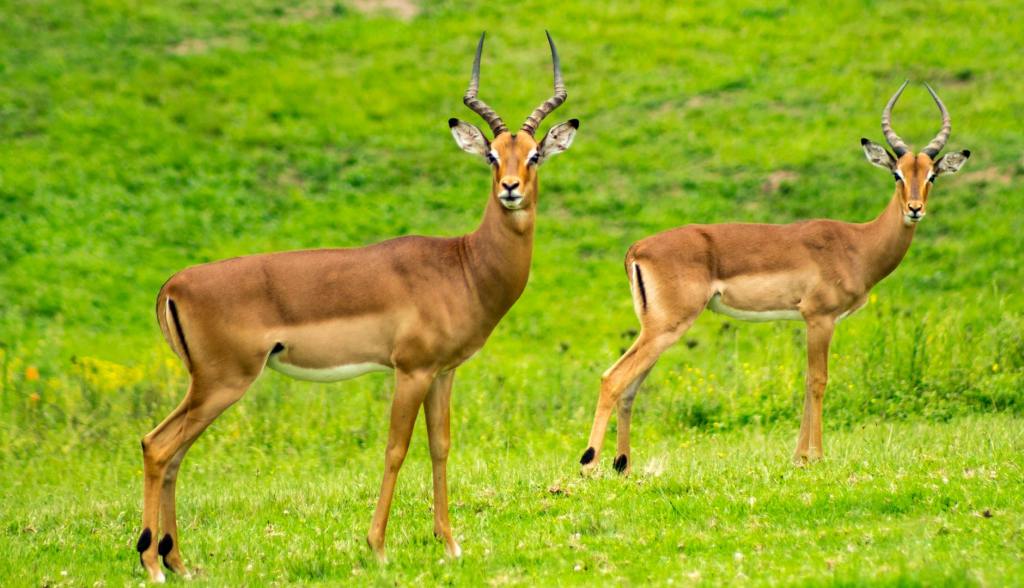
The relationship between animals and trees is a beautiful example of mutual benefit and interdependence. Trees provide shelter, food, and oxygen, while animals contribute to pollination, seed dispersal, and the overall health of forests.
- Shelter and Habitat: Trees offer essential shelter to countless species. Birds build nests in their branches, mammals find refuge in their trunks, and insects thrive in their bark. This symbiotic relationship highlights the nurturing role trees play in supporting wildlife.
- Food and Nutrition: Trees provide fruits, nuts, and leaves that are vital food sources for many animals. In return, animals help in pollinating flowers and dispersing seeds, ensuring the propagation and survival of tree species.
- Ecosystem Engineers: Animals like beavers, woodpeckers, and termites are known as ecosystem engineers because they create, modify, or maintain habitats for other species. Trees and animals together shape their environment, fostering a rich and diverse ecosystem.
Trees: Guardians of Peace

Trees are often seen as symbols of peace, strength, and endurance. Their presence brings calm and stability to the environment, supporting life and contributing to the overall health of the planet.
- Air Purification: Trees play a critical role in purifying the air we breathe. They absorb carbon dioxide and release oxygen, reducing air pollution and contributing to a healthier atmosphere.
- Climate Regulation: Forests act as carbon sinks, helping to mitigate climate change by absorbing and storing carbon. This regulation of the climate is crucial for maintaining the planet’s equilibrium and preventing extreme weather conditions.
- Soil Conservation: The roots of trees bind the soil, preventing erosion and maintaining the fertility of the land. This conservation of soil is essential for sustainable agriculture and the overall health of the ecosystem.
The Human Connection: Love for Nature
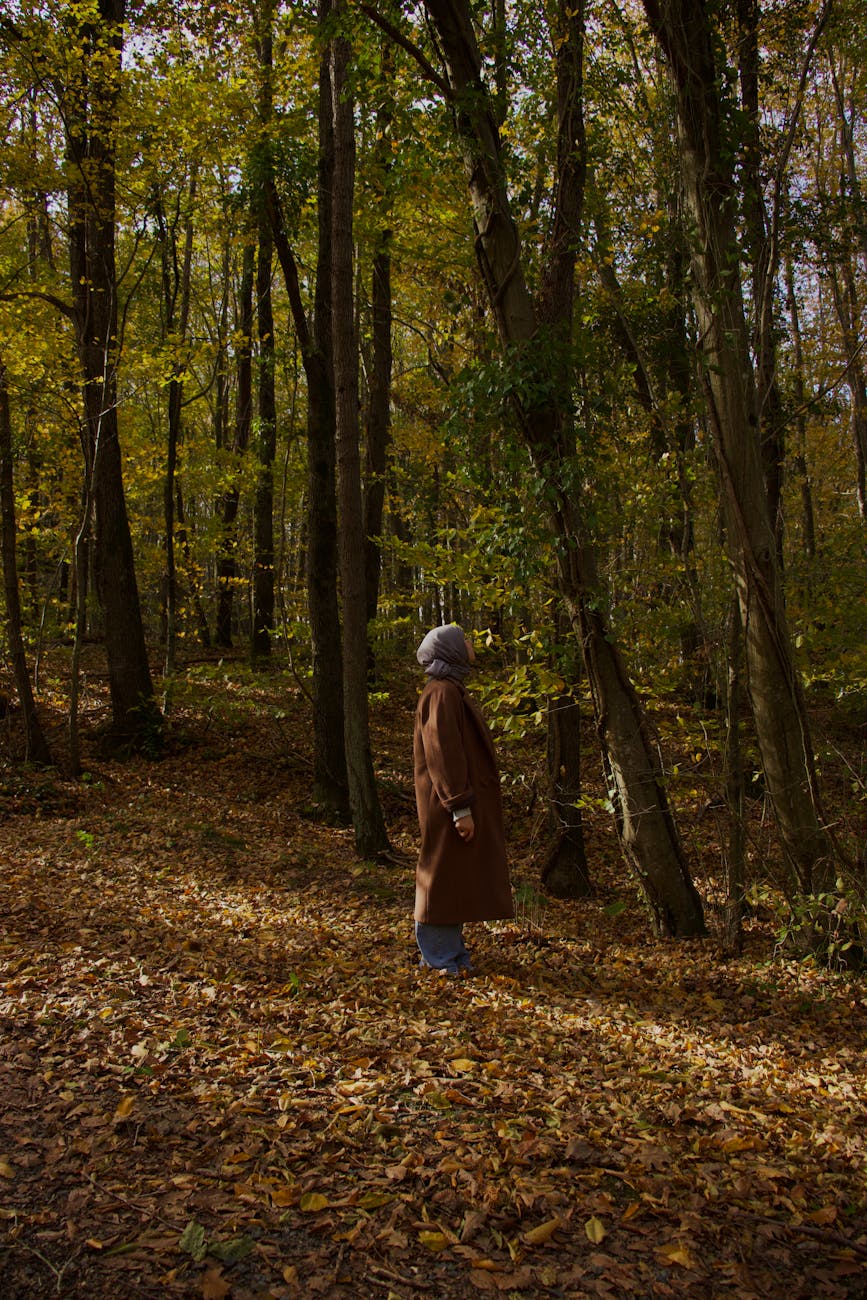
As humans, our love and respect for nature are paramount in preserving the peace and balance of wildlife. Our actions have a profound impact on the environment, and it is our responsibility to protect and nurture it.
- Conservation Efforts: Supporting wildlife conservation projects and protected areas helps preserve habitats and ensures the survival of endangered species. Conservation efforts are a testament to our commitment to maintaining the peace and balance of nature.
- Sustainable Practices: Adopting sustainable practices in our daily lives, such as reducing waste, recycling, and choosing eco-friendly products, helps minimize our impact on the environment. These small actions collectively contribute to a healthier planet.
- Environmental Education: Educating ourselves and others about the importance of wildlife, trees, and ecosystems fosters a deeper appreciation and love for nature. Knowledge and awareness are the first steps toward meaningful action and lasting change.
Conclusion
The peace of wildlife, the love between animals and trees, and the harmony of nature are invaluable treasures that deserve our utmost respect and protection. By understanding and appreciating the intricate relationships within ecosystems, we can foster a deeper connection to the natural world and contribute to its preservation. Let us embrace our role as stewards of the environment, nurturing the symphony of life that sustains us all.
 EliteExtant
You must be logged in to post a comment.