
In the hustle and bustle of our daily lives, finding moments of calm can often seem like an elusive goal. However, cultivating a sense of calm is not only achievable but also essential for our mental, emotional, and physical well-being. Embracing calmness can transform how we navigate life’s challenges, enhance our overall health, and improve our quality of life. In this blog, we’ll explore the art of staying calm, its benefits, and various activities to help you achieve a serene state of mind.
The Importance of Calmness
Calmness is a state of tranquility and peace, free from agitation and stress. It is a powerful mental state that allows us to respond to situations with clarity and composure rather than reacting impulsively. The importance of staying calm cannot be overstated, as it impacts every aspect of our lives.
Benefits of Being Calm
- Reduces Stress and Anxiety: Calmness helps to lower cortisol levels, the body’s primary stress hormone. By staying calm, we can reduce feelings of stress and anxiety, promoting a more relaxed and peaceful state of mind.
- Improves Focus and Concentration: A calm mind is a focused mind. When we are calm, our ability to concentrate and stay on task improves significantly, leading to better productivity and efficiency.
- Enhances Emotional Regulation: Calmness allows us to manage our emotions more effectively. We can respond to challenges and conflicts with patience and understanding, rather than anger or frustration.
- Boosts Physical Health: Staying calm has numerous physical health benefits, including lower blood pressure, improved digestion, and a stronger immune system. It can also reduce the risk of chronic diseases related to stress, such as heart disease and diabetes.
- Promotes Better Sleep: A calm mind is essential for a good night’s sleep. By reducing stress and anxiety, calmness helps to improve sleep quality, ensuring we wake up feeling refreshed and rejuvenated.
Activities to Cultivate Calmness
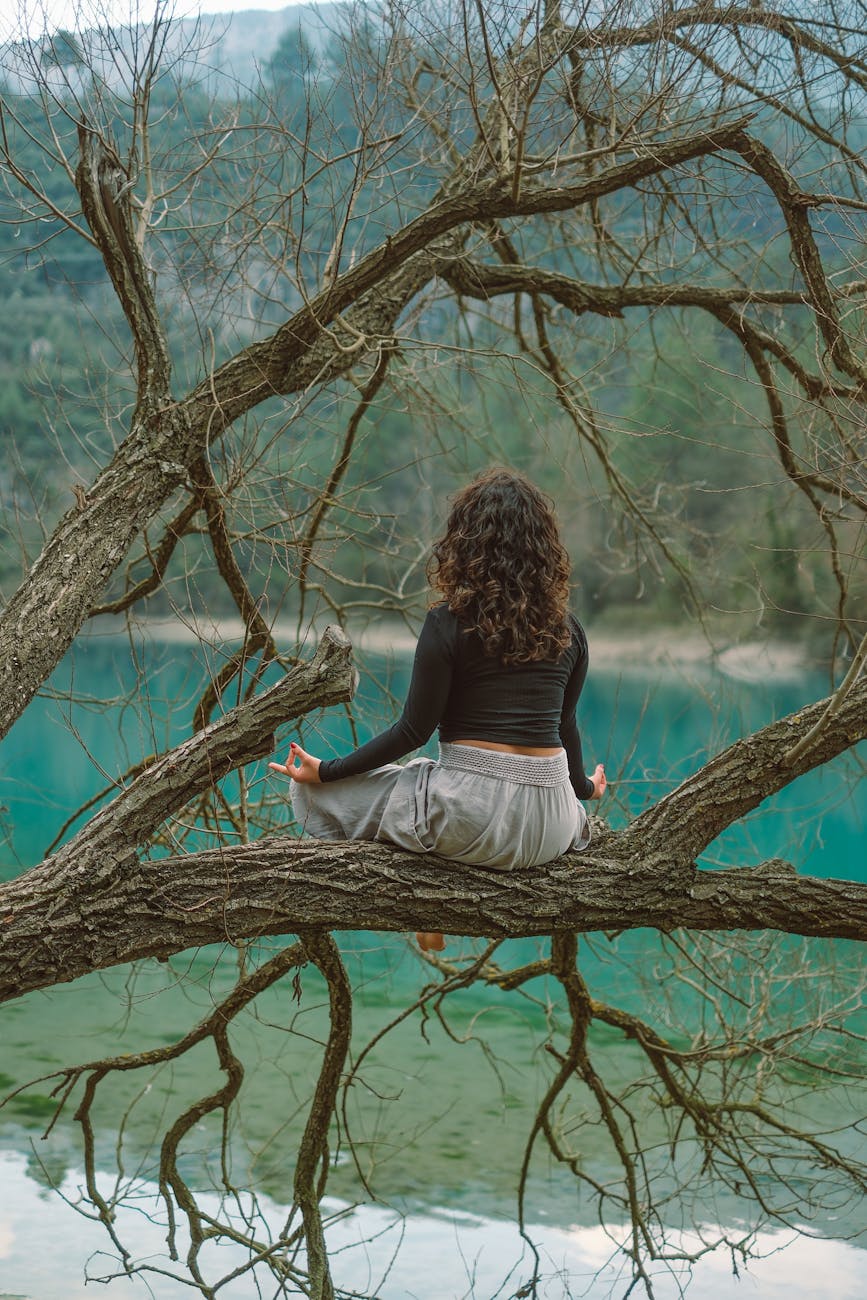
Mindfulness Meditation: Mindfulness meditation involves focusing on the present moment without judgment. It helps to calm the mind and reduce stress by encouraging awareness and acceptance of our thoughts and feelings. How to Practice:
- Find a quiet, comfortable place to sit.
- Close your eyes and take deep breaths.
- Focus on your breath and observe your thoughts without getting attached to them.
- Practice for 5-10 minutes daily, gradually increasing the duration.
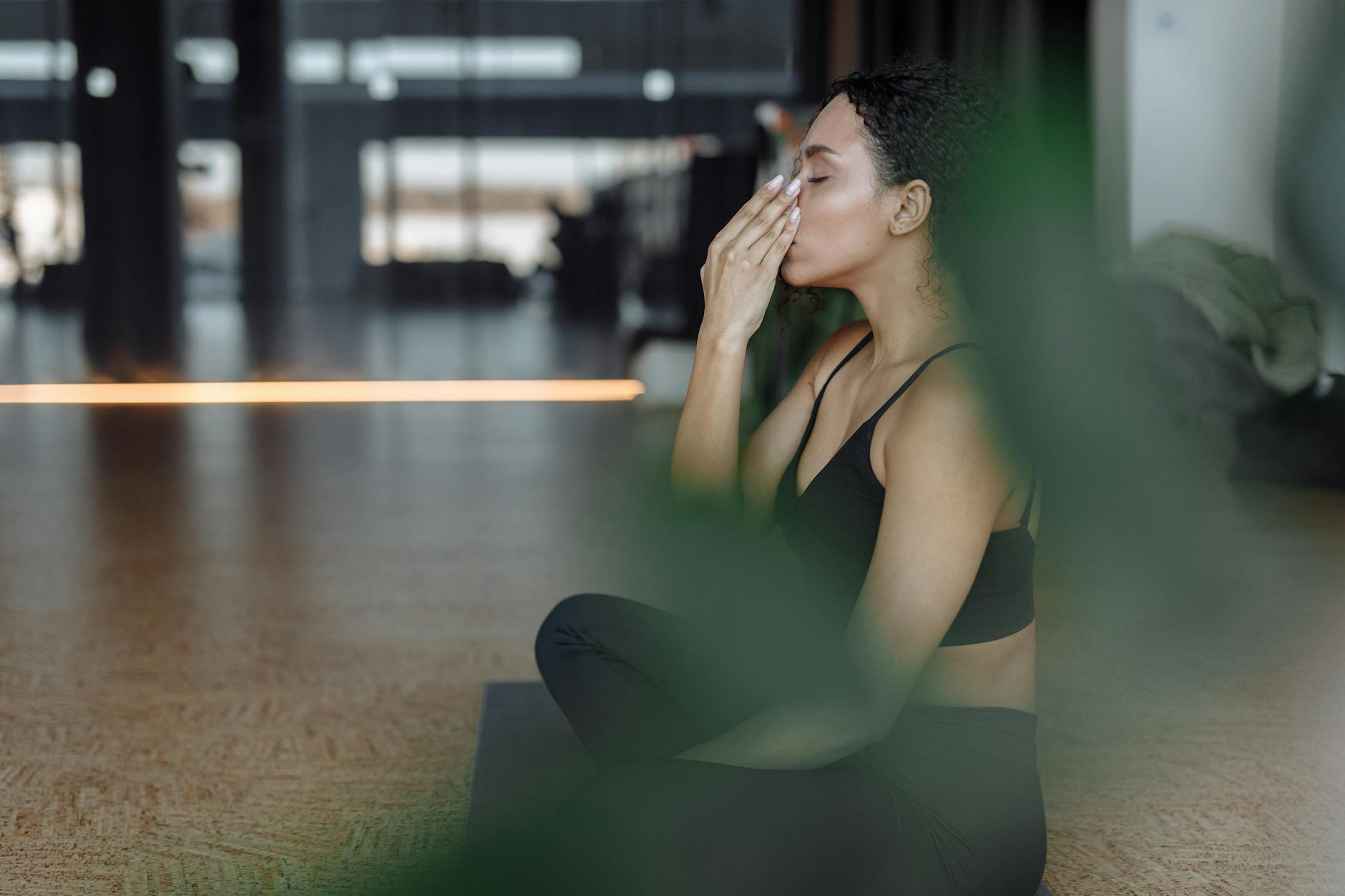
Deep Breathing Exercises: Deep breathing is a simple yet effective way to induce calmness. It helps to activate the parasympathetic nervous system, promoting relaxation. How to Practice:
- Sit or lie down comfortably.
- Inhale deeply through your nose, allowing your abdomen to rise.
- Exhale slowly through your mouth, letting your abdomen fall.
- Repeat for several minutes, focusing on the rhythm of your breath.
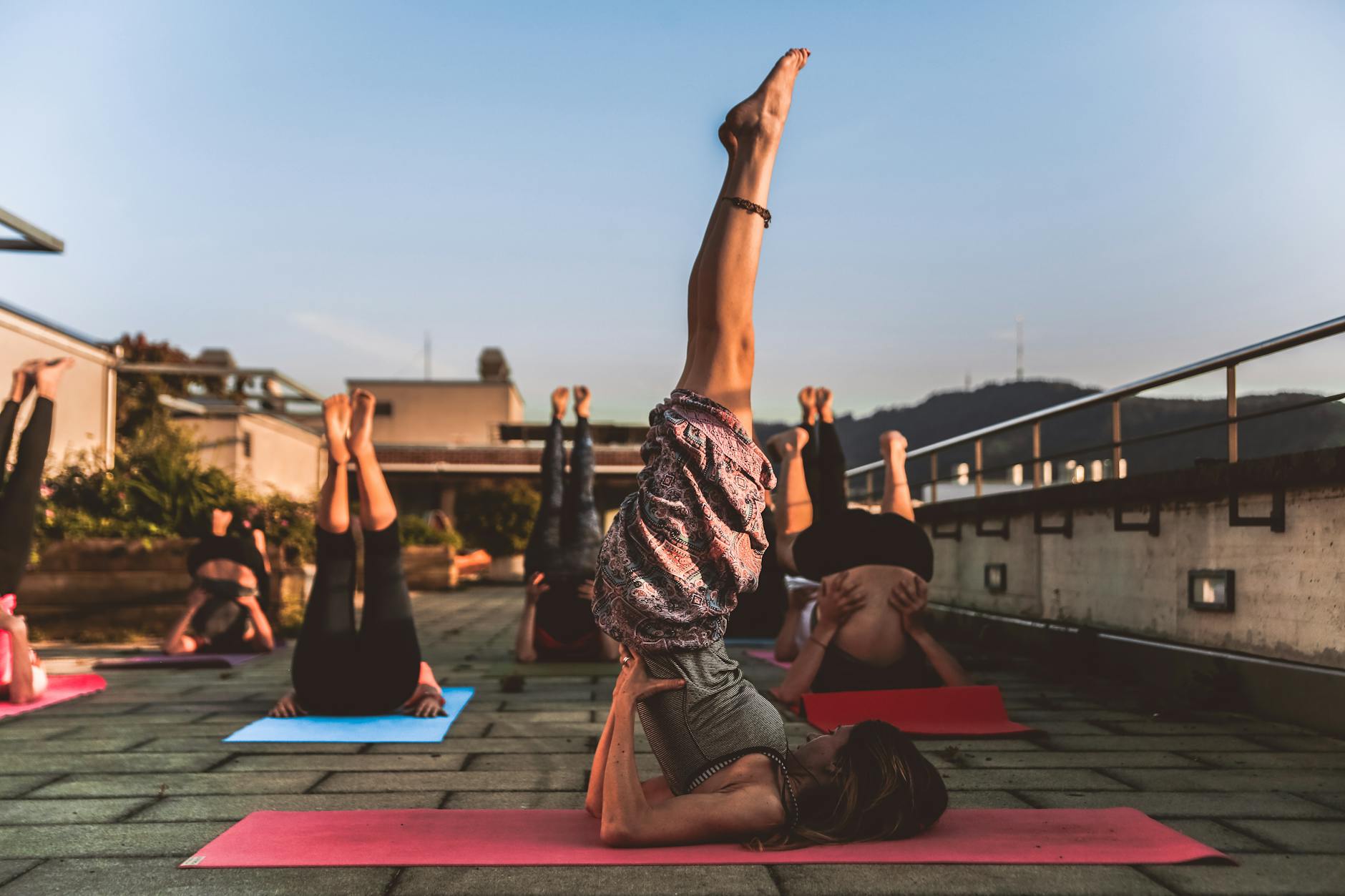
Yoga: Yoga combines physical postures, breath control, and meditation to promote overall well-being. It helps to release tension, improve flexibility, and calm the mind. How to Practice:
- Join a local yoga class or follow online tutorials.
- Focus on slow, deliberate movements and deep breathing.
- Incorporate a regular yoga practice into your routine to experience its full benefits.

Nature Walks: Spending time in nature has a calming effect on the mind. Nature walks help to reduce stress, improve mood, and enhance overall mental health. How to Practice:
- Find a nearby park or nature reserve.
- Take a leisurely walk, paying attention to the sights, sounds, and smells around you.
- Practice deep breathing and mindfulness during your walk.

Journaling: Writing down your thoughts and feelings can be a therapeutic way to process emotions and reduce stress. Journaling helps to clear the mind and gain perspective on challenges. How to Practice:
- Set aside a few minutes each day to write in a journal.
- Write about your experiences, thoughts, and emotions.
- Reflect on positive aspects of your day and express gratitude.
Tips for Maintaining Calmness
- Create a Calm Environment: Your surroundings can significantly impact your state of mind. Create a calm environment at home and work by reducing clutter, using calming colors, and incorporating soothing elements like plants and soft lighting.
- Practice Gratitude: Cultivating a habit of gratitude helps to shift your focus from stressors to positive aspects of your life. Regularly expressing gratitude can enhance your overall sense of well-being.
- Limit Exposure to Stressors: Identify sources of stress in your life and take steps to minimize their impact. This might include setting boundaries, managing your time effectively, and limiting exposure to negative news or social media.
- Engage in Relaxing Activities: Incorporate activities that promote relaxation into your daily routine, such as reading, listening to music, or taking a warm bath. Find what works best for you and make it a regular part of your life.
Conclusion
Embracing calmness is an essential component of a healthy and fulfilling life. By incorporating mindfulness practices, engaging in calming activities, and maintaining a balanced lifestyle, you can achieve a state of serenity that enhances your mental, emotional, and physical well-being. Remember, the journey to calmness is a continuous process, but with dedication and practice, you can cultivate a peaceful mind and a harmonious life. Start today by taking small steps toward embracing calm, and experience the transformative benefits it brings.
 EliteExtant
You must be logged in to post a comment.