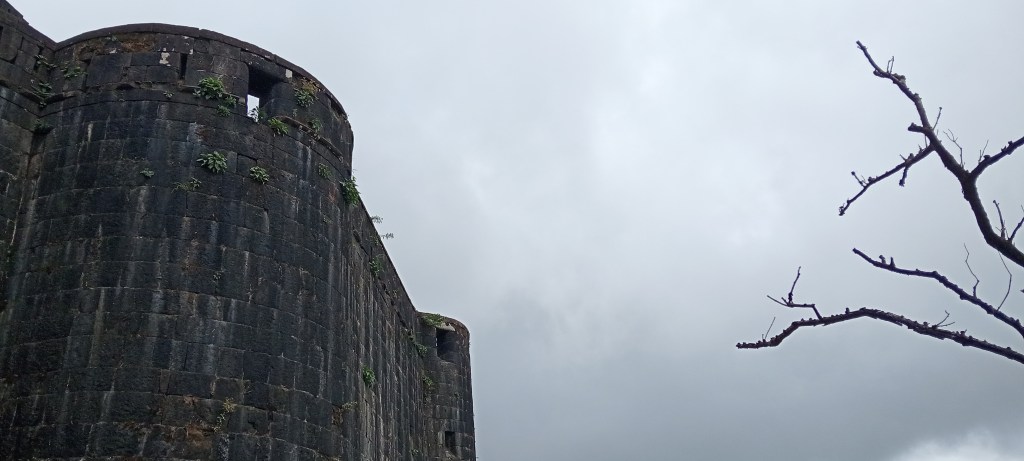
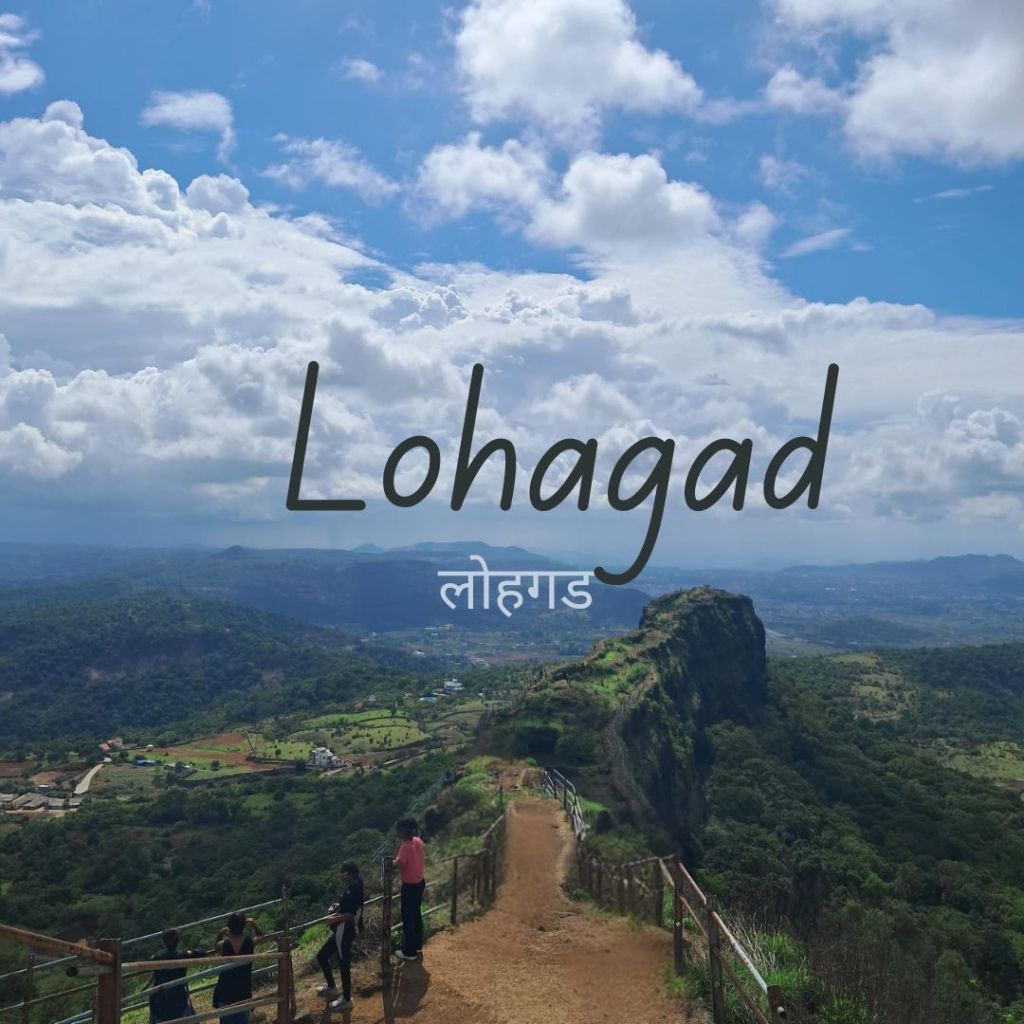
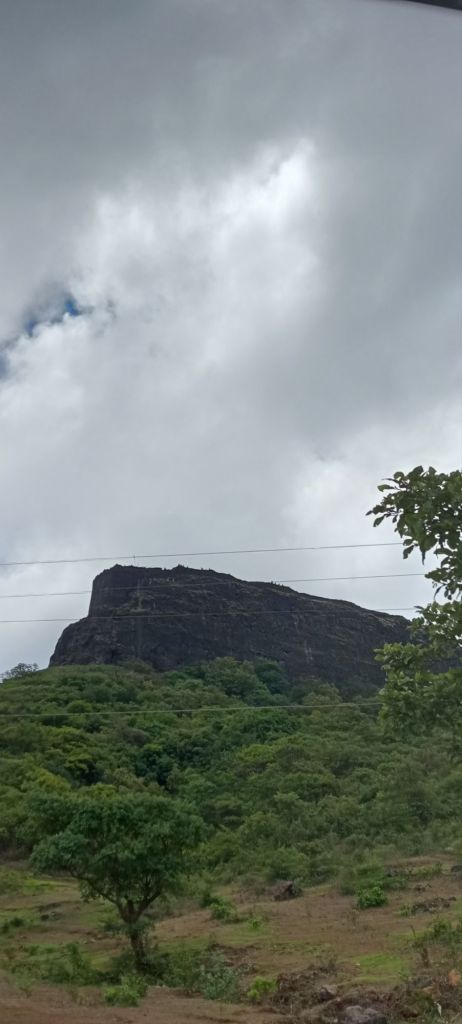
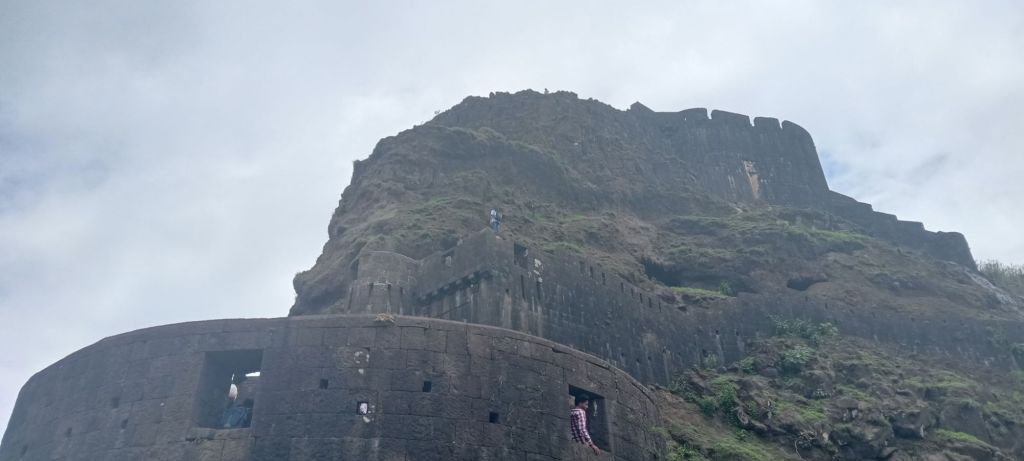
Nestled in the serene landscape of the Western Ghats, Lohagad Fort is a marvel of both historical significance and natural beauty. Located near Lonavala in Maharashtra, India, this ancient fort stands at an elevation of 1,033 meters (3,389 feet) and offers a captivating blend of heritage and adventure.
Lohgad: A Brief Overview
Lohgad Fort, standing majestically at 3,420 feet above sea level, is a prominent hill fort in the Pune district of Maharashtra. Known for its stunning vistas and historical significance, it offers an easy yet enriching trek, making it accessible to beginners and families.
Trekking to Lohgad
Starting your journey at Malawali, which can be reached from Lonavala by train or vehicle, you embark on a scenic 2-3 km walk to the base of Lohgad. The trek from the base to the top takes about 3 hours, offering a mix of lush greenery, rugged pathways, and captivating views of the surrounding region.
Trek Information
- Trek Name: Lohgad
- Alias: –
- Type: Hill Fort
- District: Pune
- Height Above Mean Sea Level: 3,420 feet
- Base Village: Malawali
- Minimum Duration: 2 Days
- Region: Lonavala
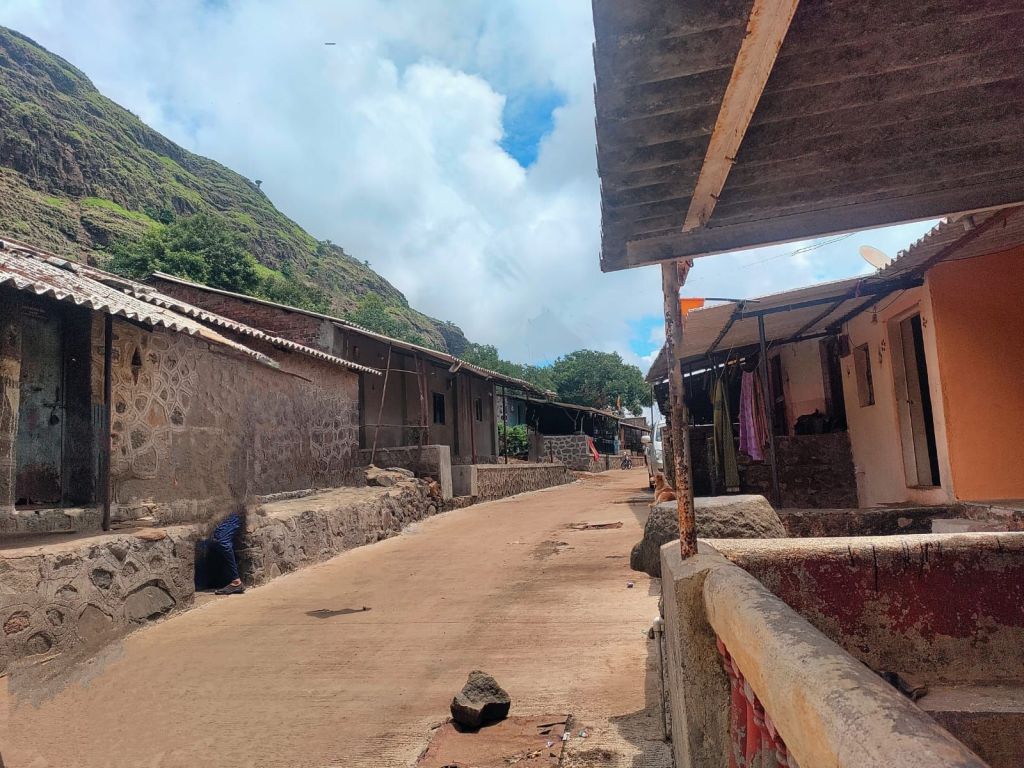
- Transport: Reach Lonavala by train or vehicle and then continue to Malawali (the next station towards Pune). From Malawali, a 2-3 km walk will take you to the base of the fort.
- Time to Reach the Top: About 3 hours from the base
- Water Availability: Potable water isn’t available at the top, so it is advisable to carry water from Lohgadwadi (a village just before the top of Lohgad).
- Best Season to Visit: Anytime
- Sights to Visit: Many Darwajas (gates), caves, Vinchu Kata, old masjid, Bhaje caves.
- Difficulty Rating: Simple
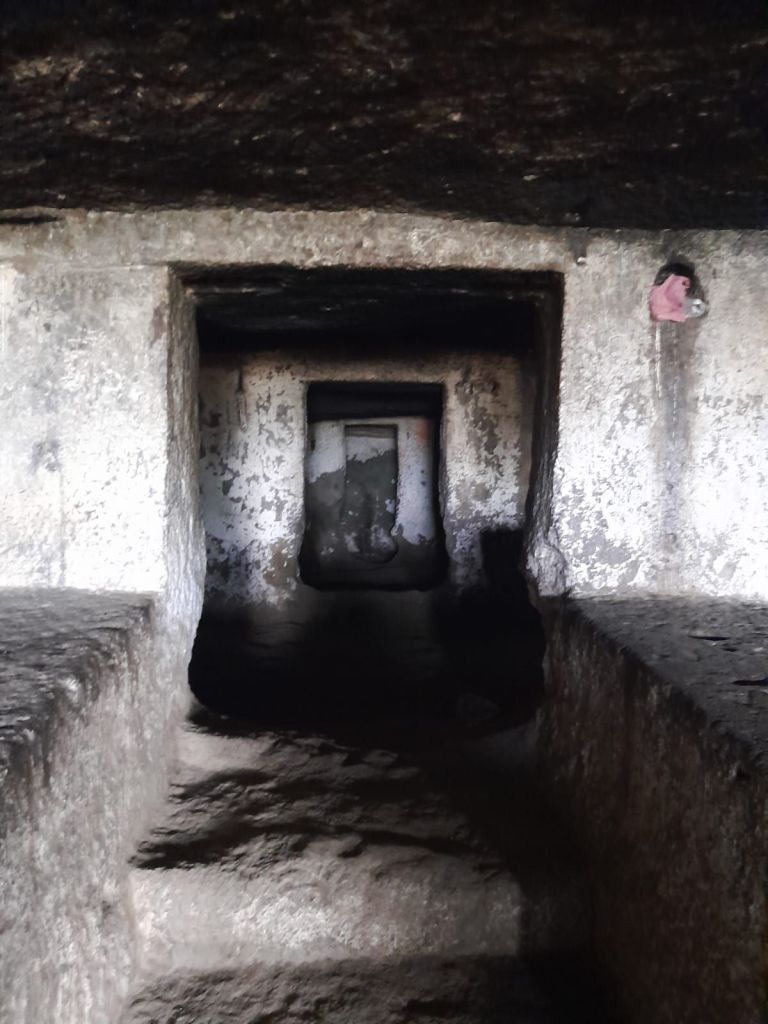
- Shelter: Cave at the top or in the village Lohgadwadi
Historical Significance
Lohagad, which means “Iron Fort,” has a rich history that dates back over two millennia. Its strategic location made it a coveted possession for several dynasties and rulers. Initially built in the 3rd century BC, it witnessed the reigns of the Satavahanas, Chalukyas, Rashtrakutas, and Yadavas before becoming a part of the Maratha Empire under Chhatrapati Shivaji Maharaj in the 17th century. Shivaji used the fort to store his treasury, and it later served as a prison under the British Raj.
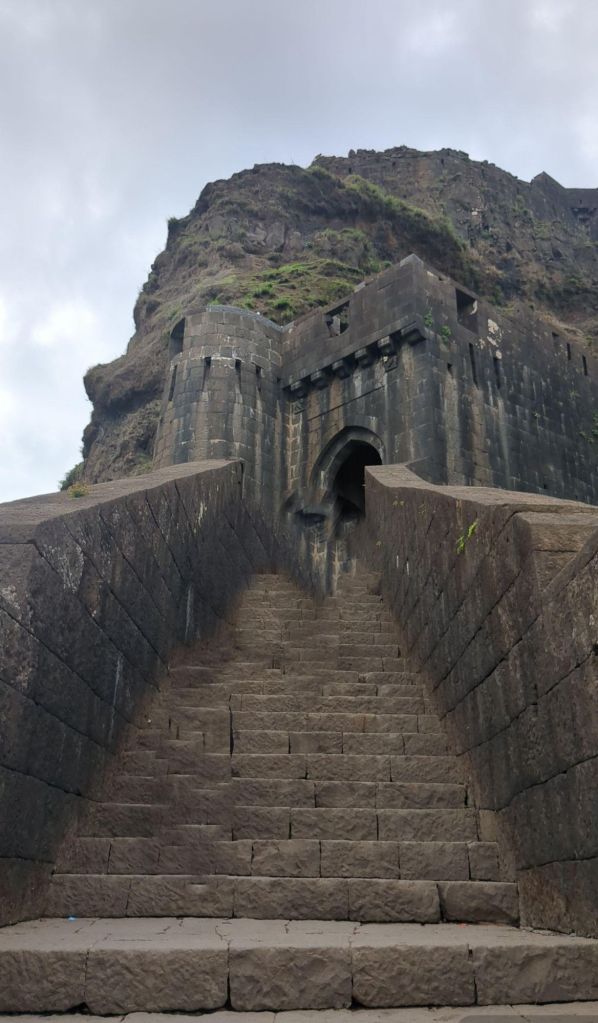
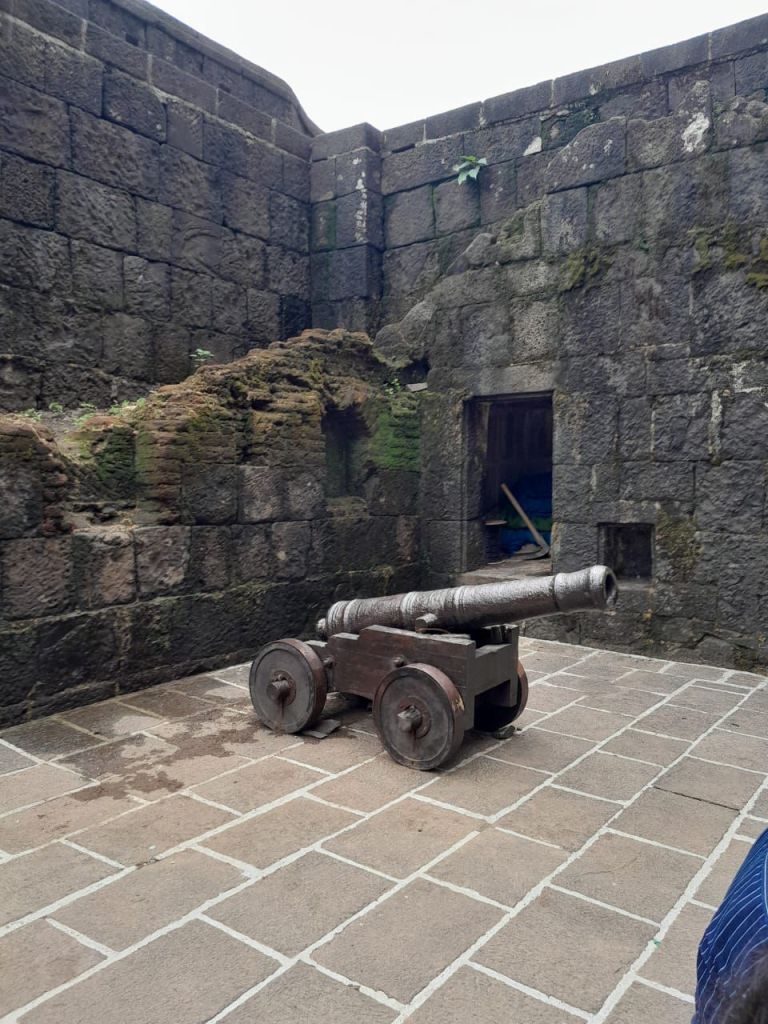
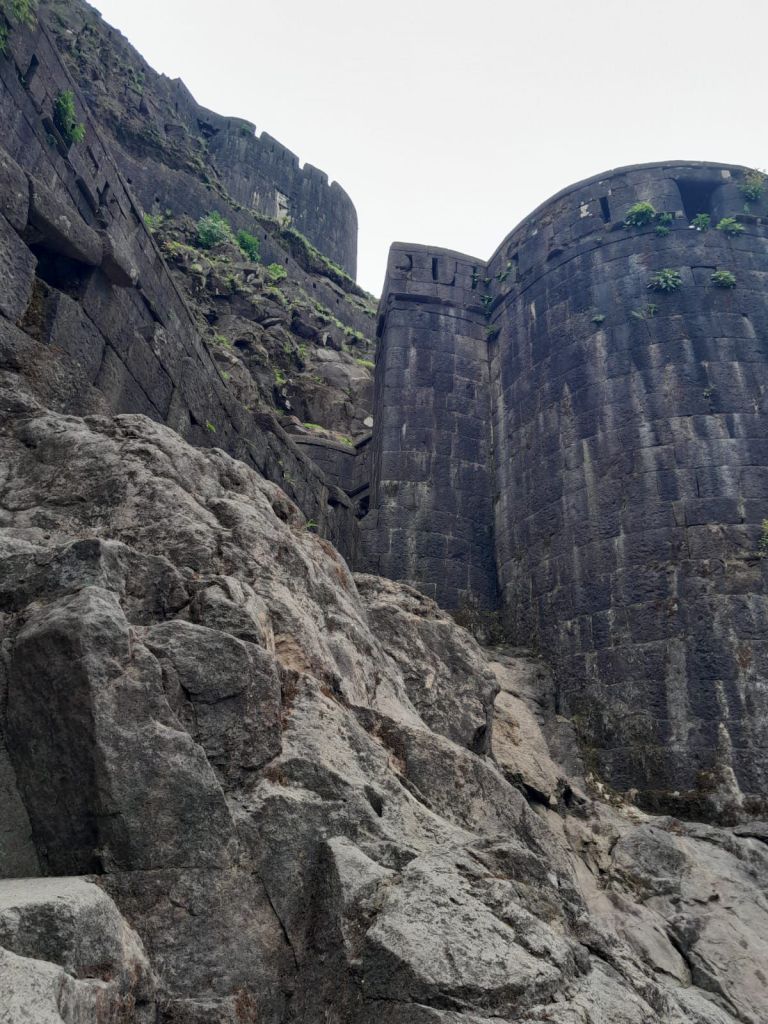

Architectural Marvels
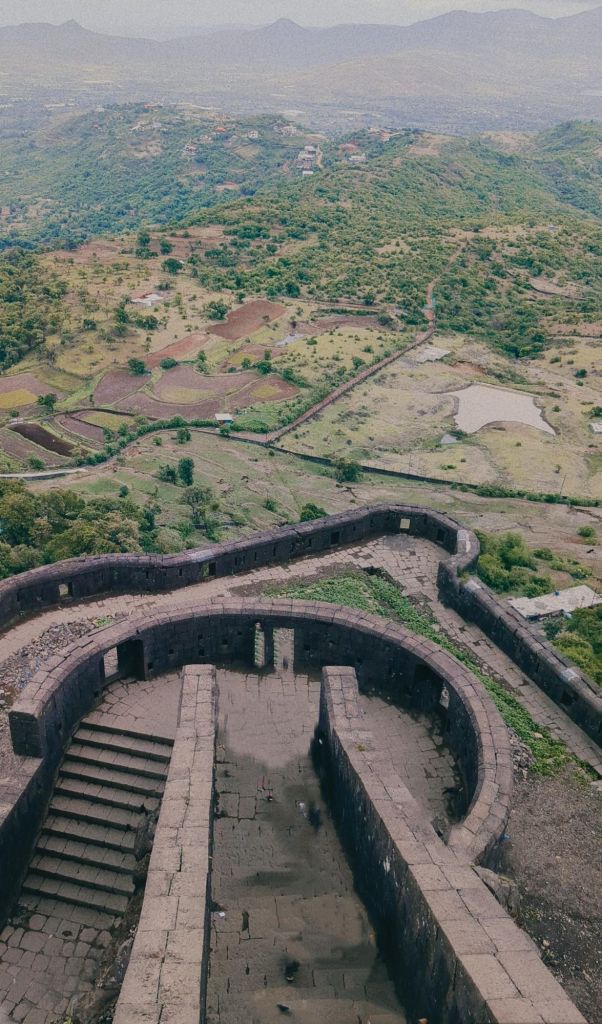
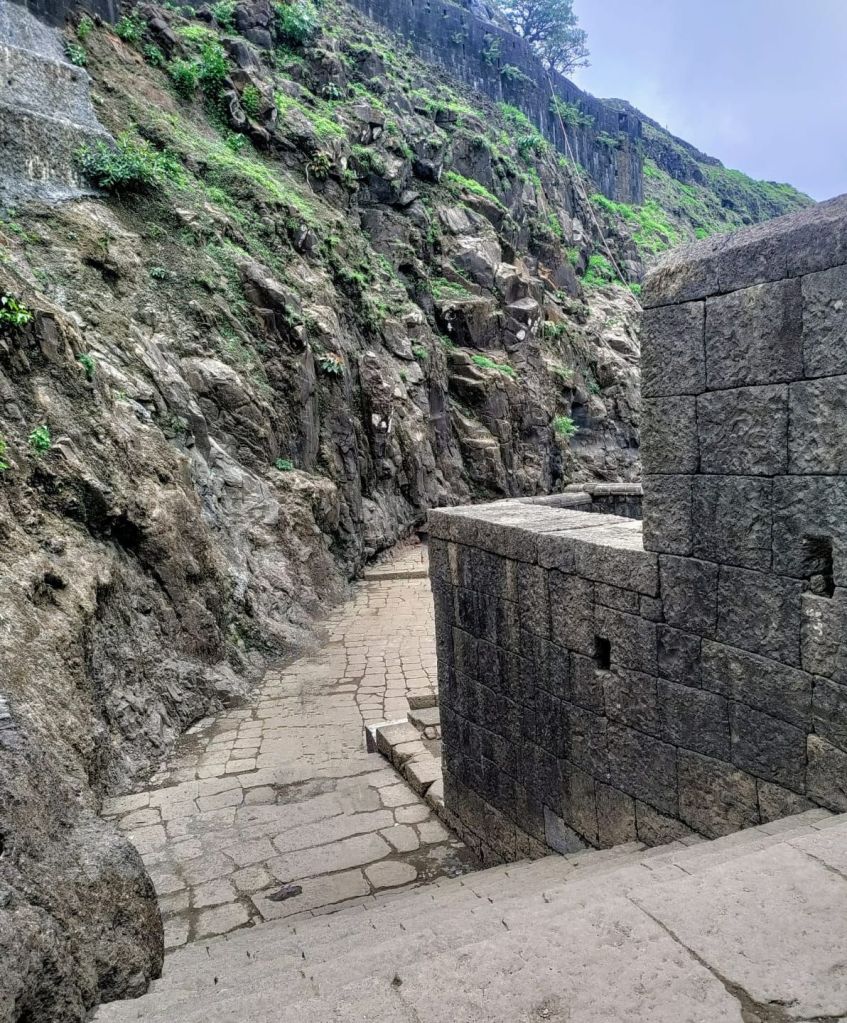
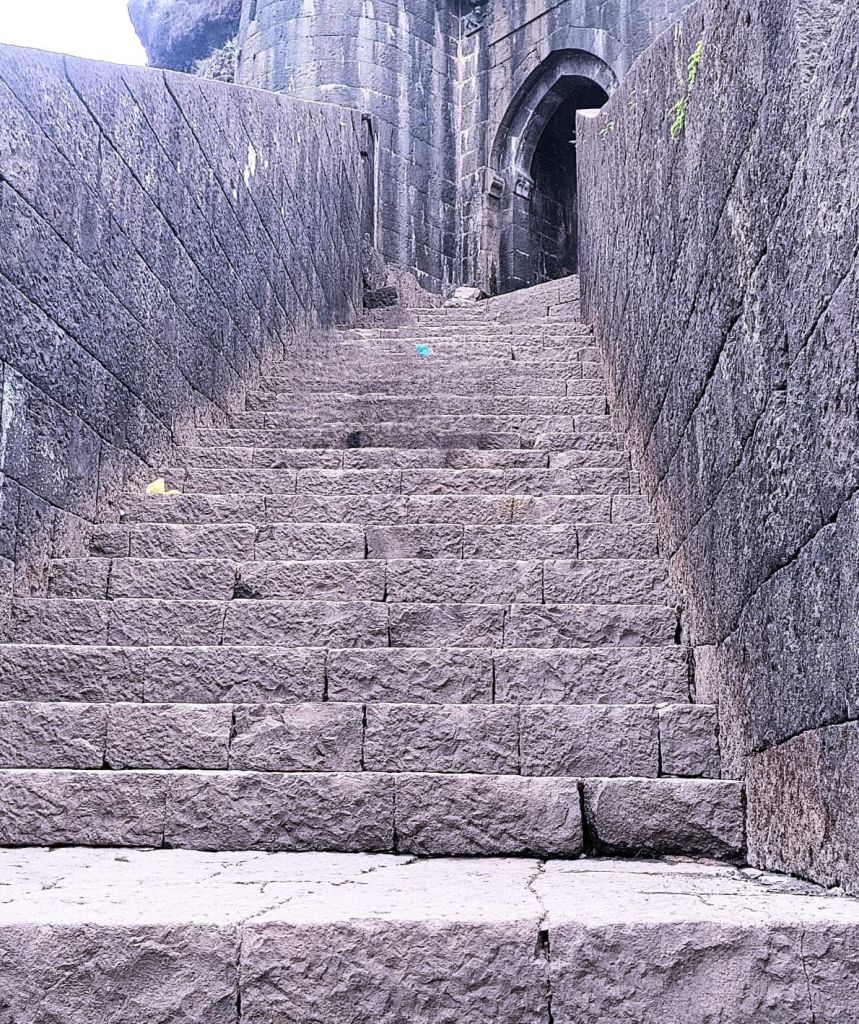
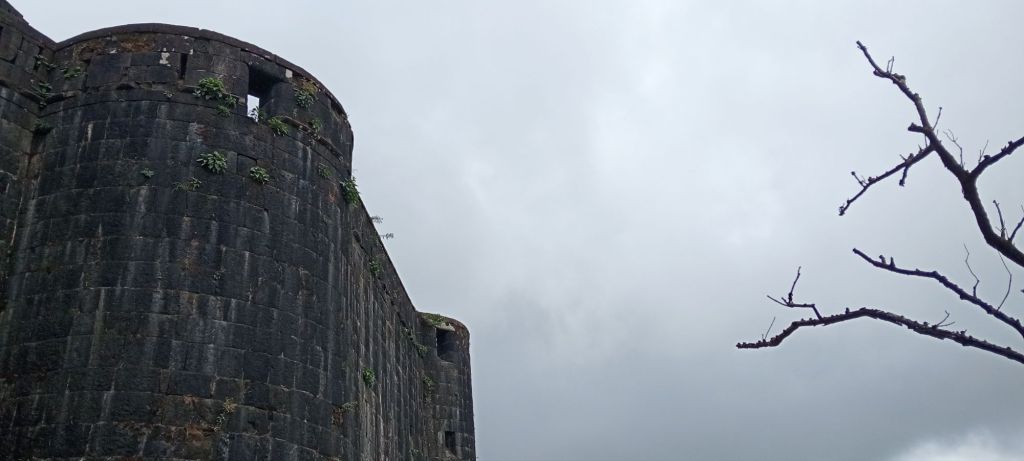
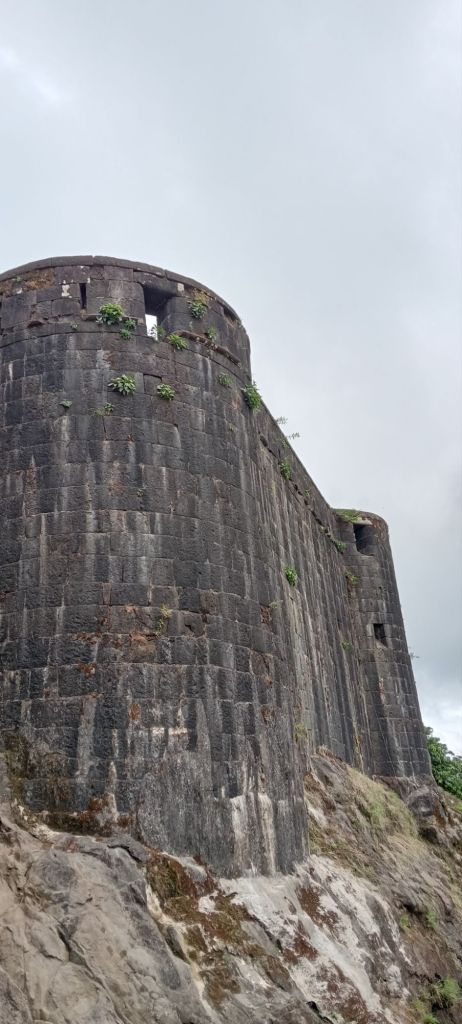
The fort is renowned for its robust architecture and intricate design, which reflect the engineering prowess of its time. Key features include:
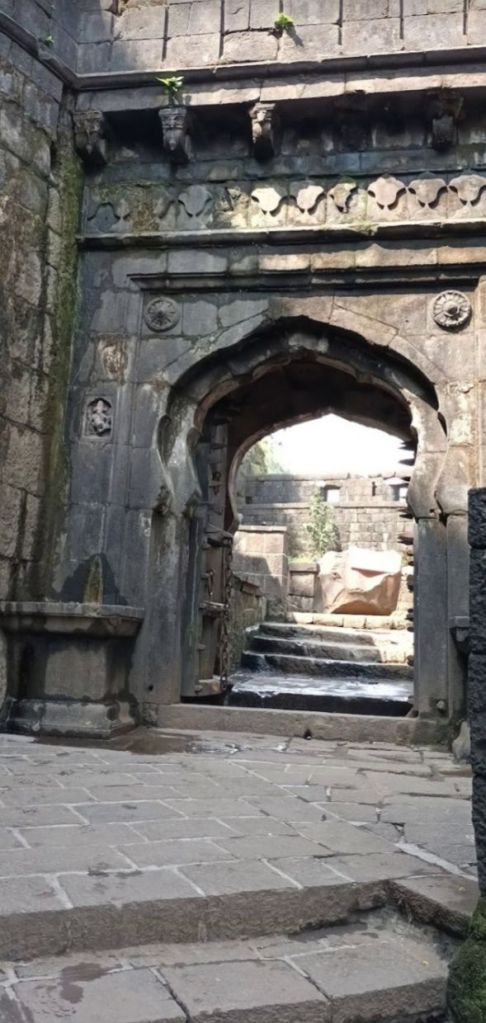
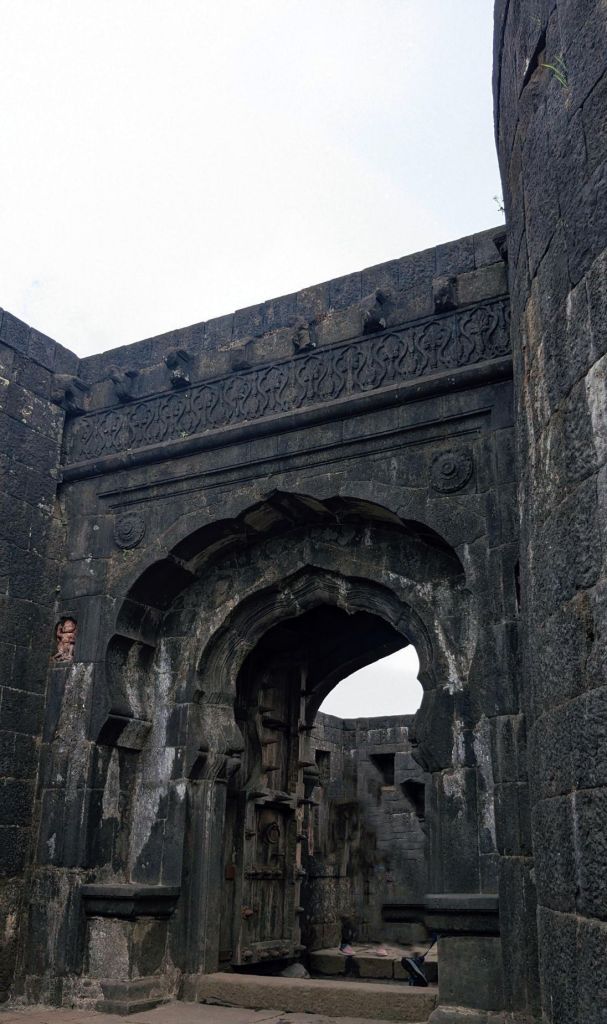
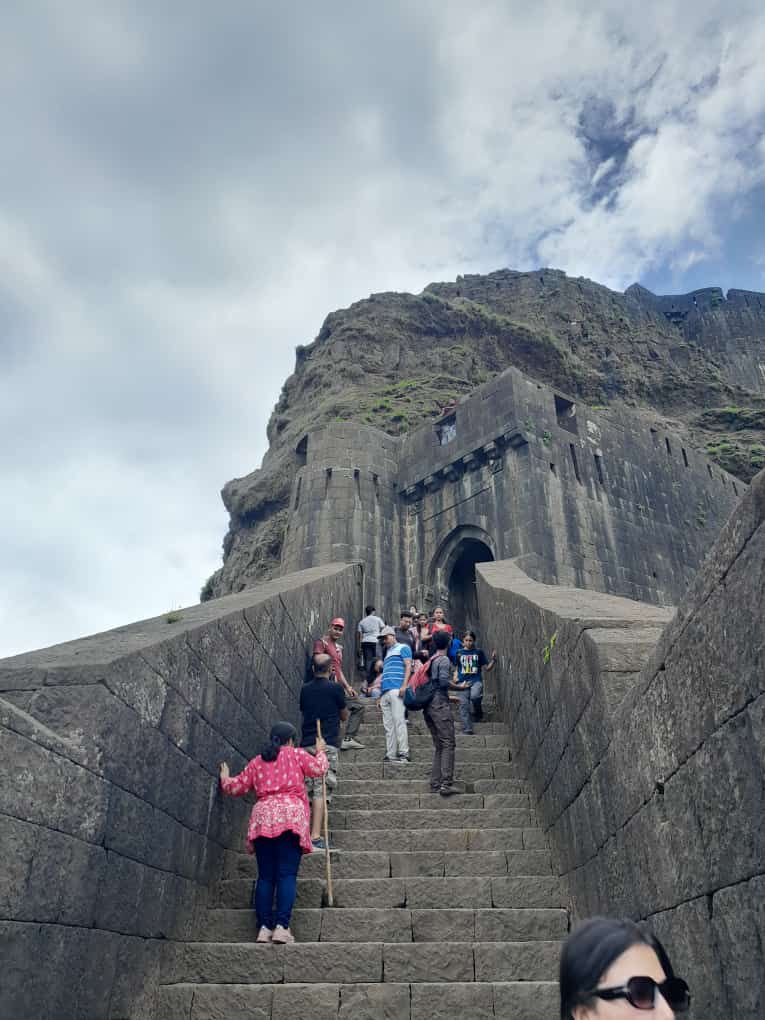
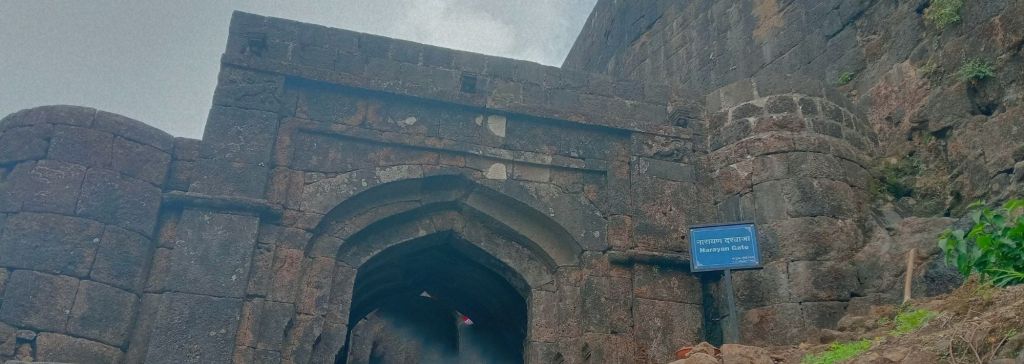
- Ganesh Darwaza, Narayan Darwaza, Hanuman Darwaza, and Maha Darwaza: These gates are not only entry points but also serve as fortifications that showcase the defensive strategies of the Marathas.
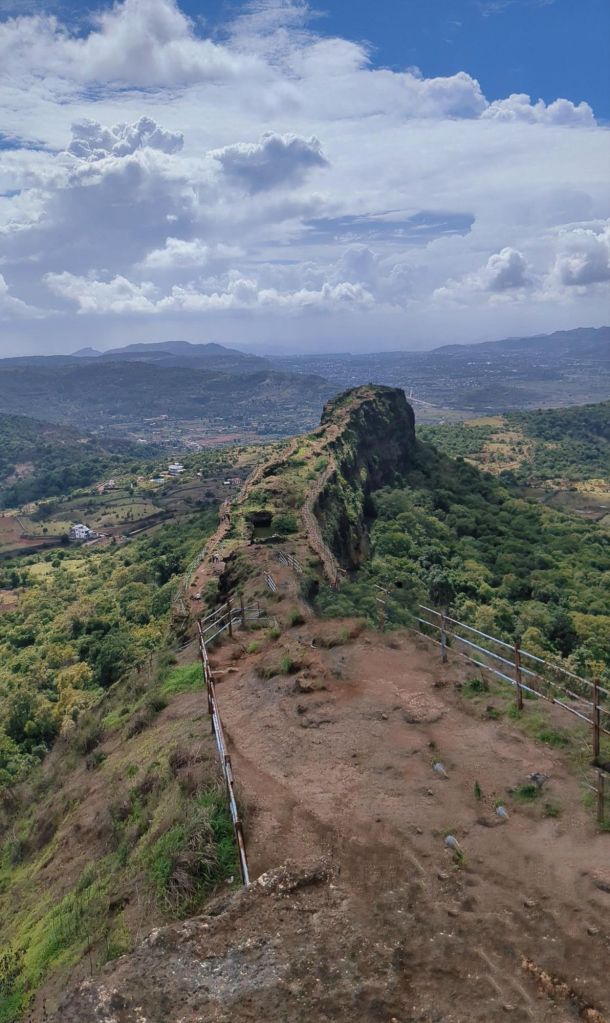
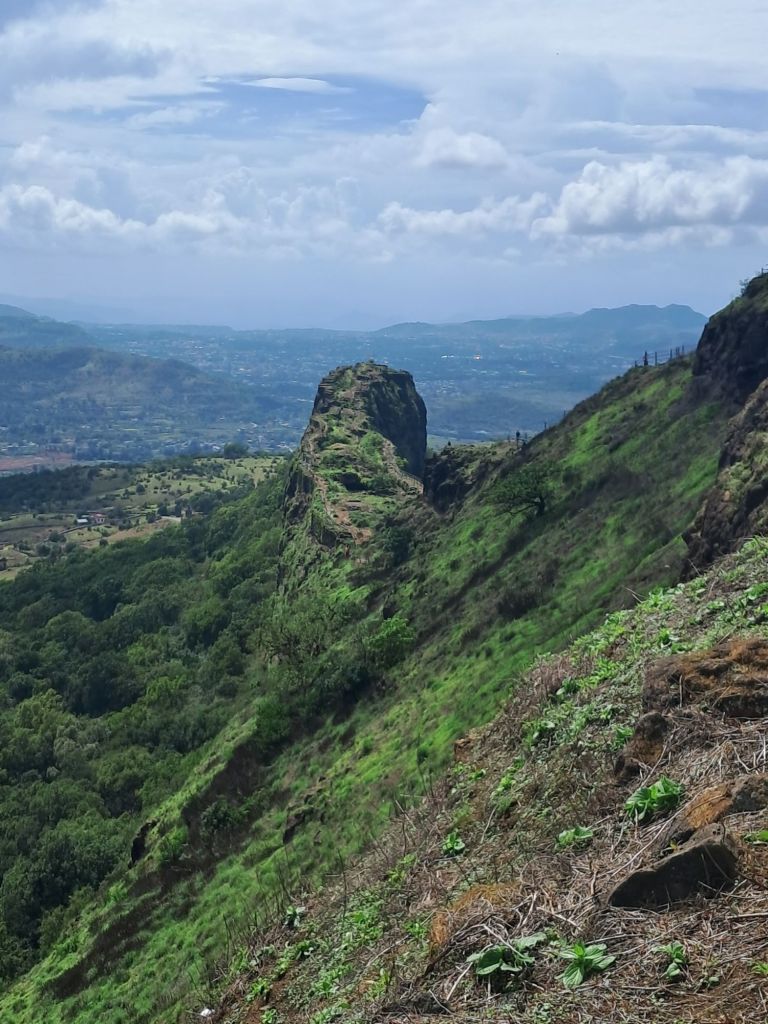
- Vinchu Kata: This unique structure resembles a scorpion’s tail and offers a panoramic view of the surrounding region. It’s a popular spot among trekkers for its breathtaking vistas.
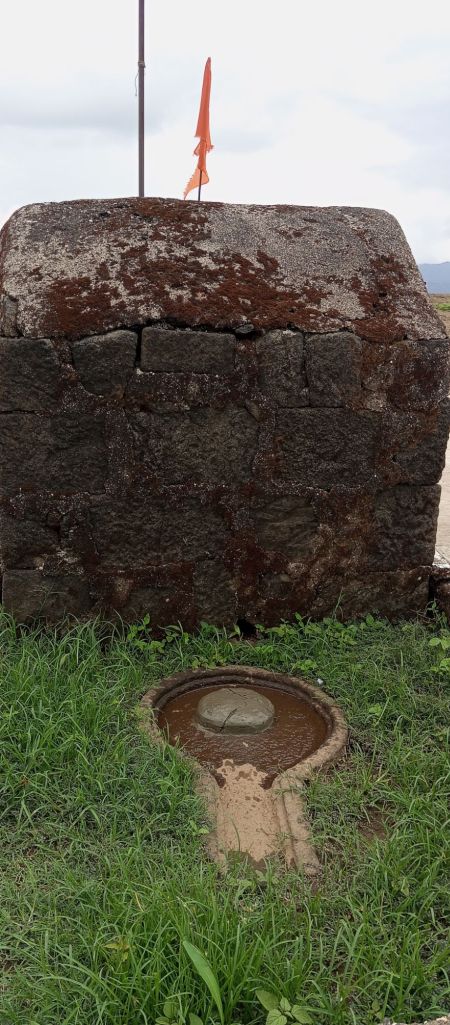
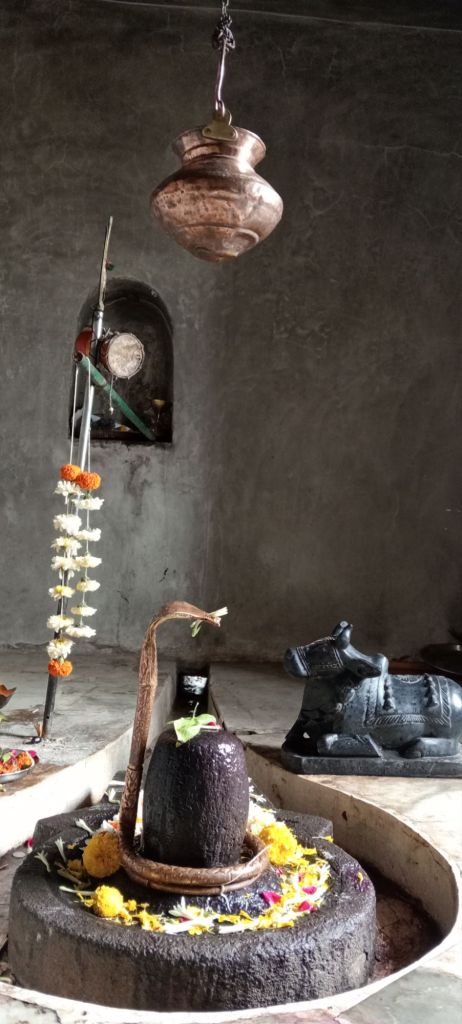

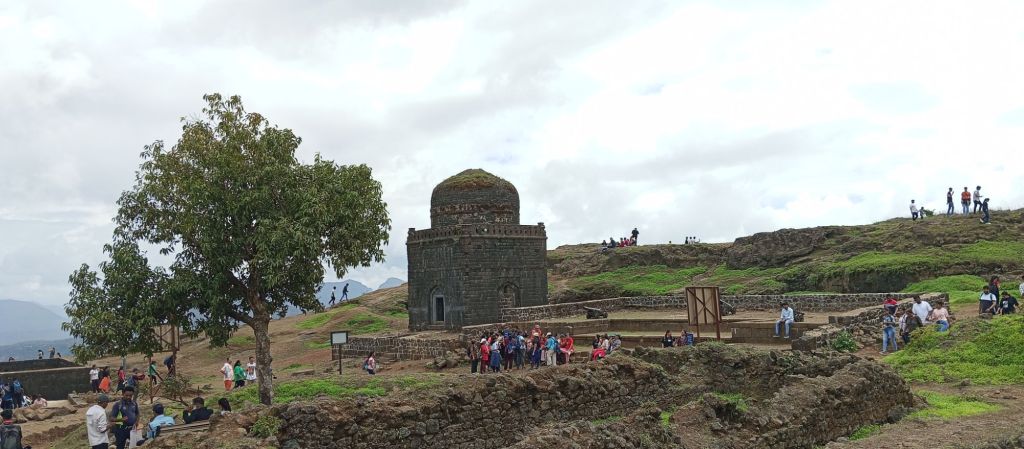
- Temples and Tombs: Lohagad houses several ancient temples and tombs, adding a spiritual dimension to its historical allure.
Trekking and Nature
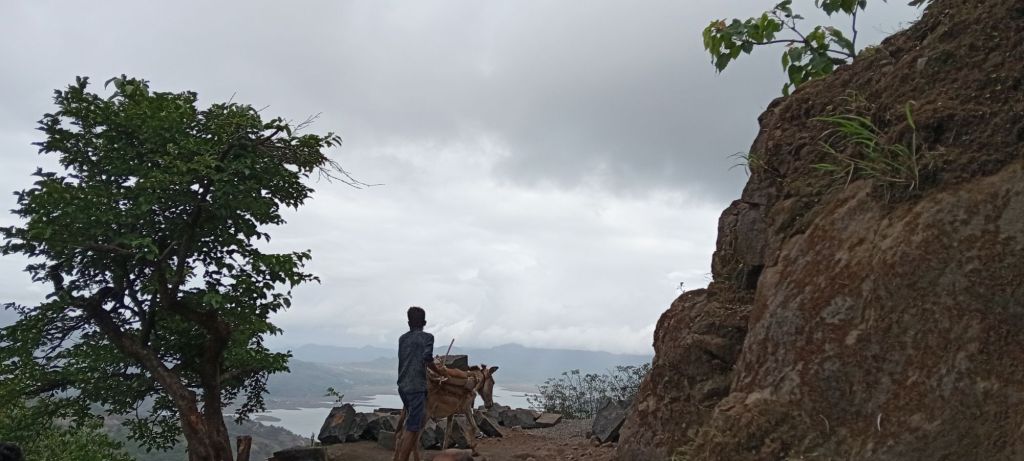
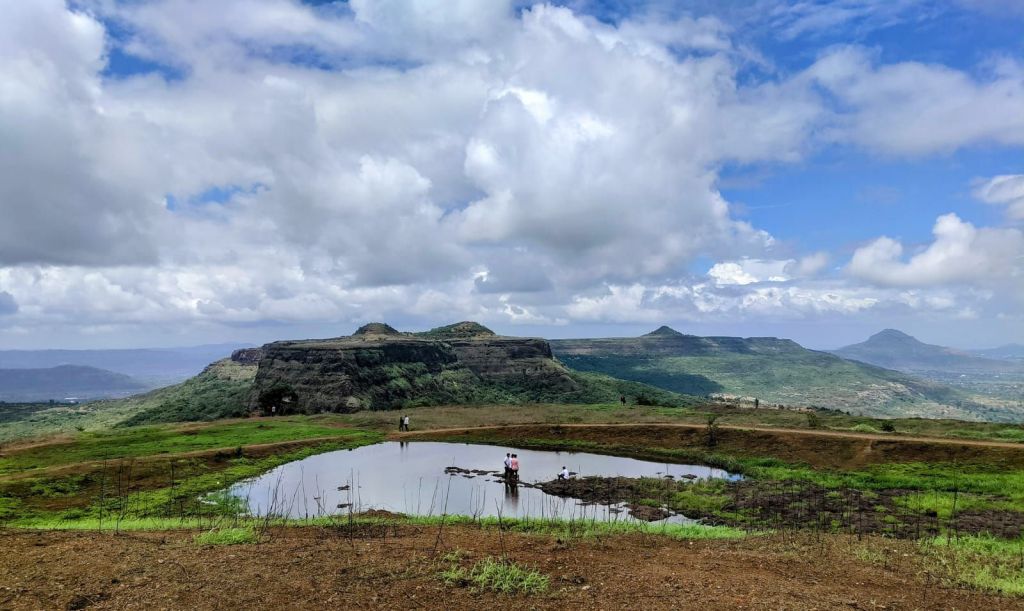
Lohagad Fort is a popular trekking destination, especially during the monsoon season when the entire region is draped in lush greenery. The trek to the fort is relatively easy, making it suitable for beginners and experienced trekkers alike. The trail is dotted with streams, waterfalls, and dense forests, providing a refreshing escape from the urban hustle.
The fort’s vantage points offer stunning views of the Pawna Lake and the surrounding valleys. The cool breeze and the serene environment make it a perfect spot for nature lovers and photographers.
Accessibility
Lohagad Fort is accessible from Pune (52 km) and Mumbai (96 km). The nearest railway station is Malavli, from where the base of the fort is a short hike. For those driving, ample parking is available at the base village.
Tips for Visitors
- Best Time to Visit: The monsoon season (June to September) is ideal for witnessing the lush greenery, but the winter months (November to February) offer pleasant weather for trekking.
- What to Carry: Wear comfortable trekking shoes, carry water, snacks, and a first-aid kit. During monsoons, a raincoat or poncho is advisable.
- Guided Tours: For a richer historical experience, consider hiring a local guide who can narrate the fascinating stories associated with the fort.
Conclusion
Lohagad Fort is not just a trekker’s paradise but also a testament to India’s rich historical legacy. Its majestic structure, coupled with the natural beauty of the Western Ghats, makes it a must-visit destination for history buffs, nature enthusiasts, and adventure seekers alike. Whether you’re there to delve into its storied past or to soak in the scenic views, Lohagad promises an unforgettable experience.
For more detailed information, you can visit the Lohagad Fort Wikipedia page.
 EliteExtant
You must be logged in to post a comment.