
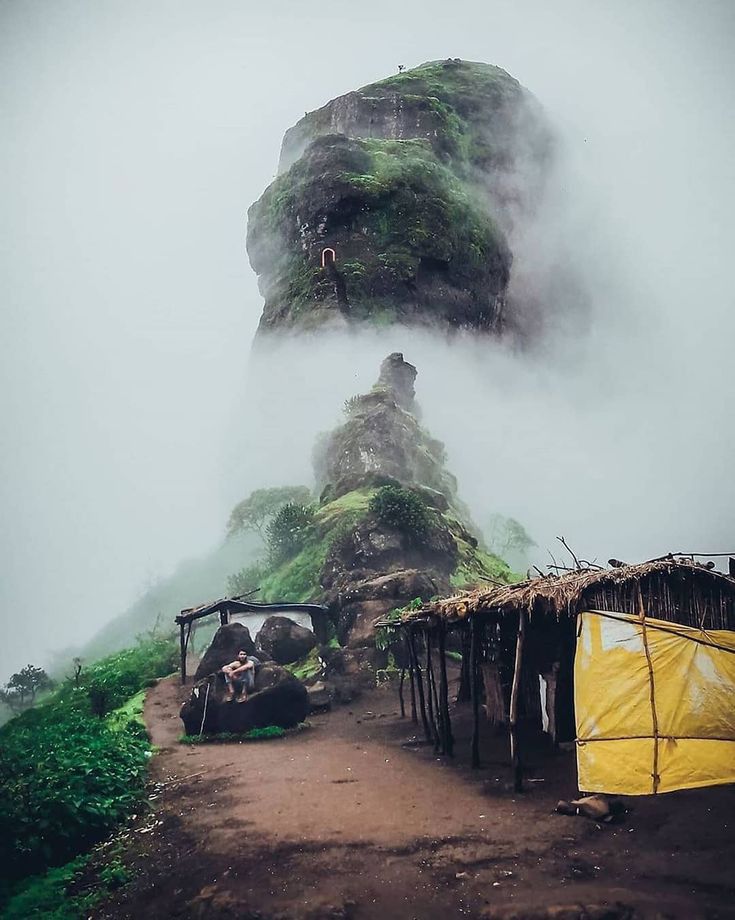
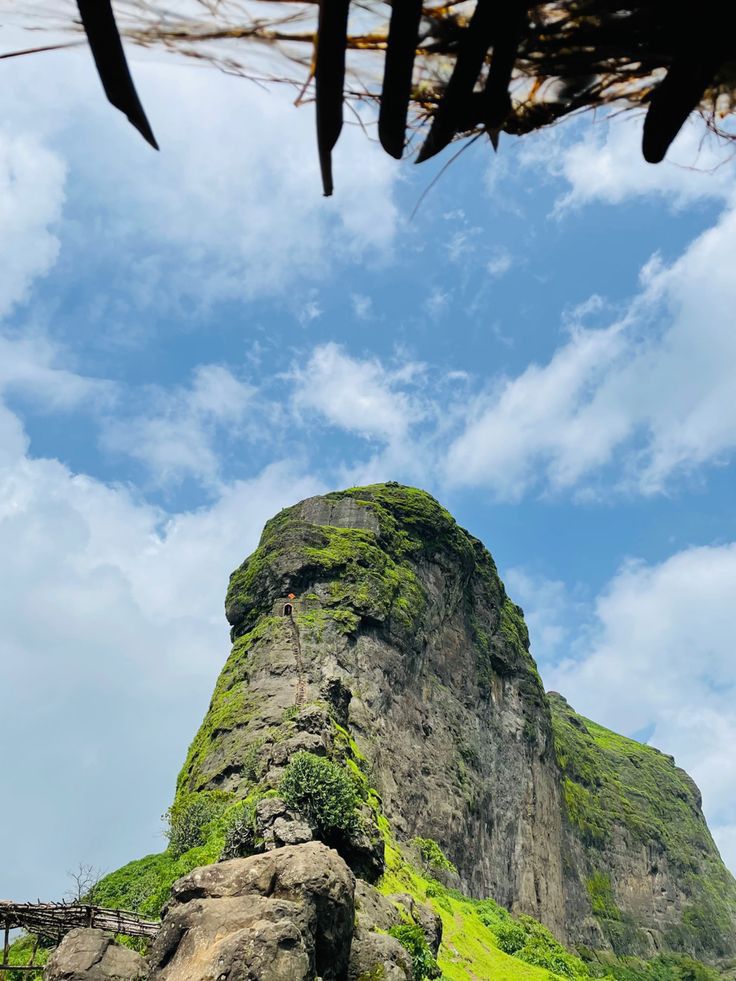
Nestled in the Western Ghats of Maharashtra, Harihar Fort, also known as Harshagad, is a fascinating destination that captivates both history enthusiasts and adventure seekers. Known for its unique rock-cut steps and strategic location, Harihar Fort offers a thrilling trekking experience and a glimpse into the rich historical tapestry of the region.
Overview of Harihar Fort
- Location: Nashik district, Maharashtra
- Type: Hill Fort
- Height Above Mean Sea Level: Approximately 3,676 feet (1,120 meters)
- Base Village: Nirgudpada or Harshewadi
- Region: Trimbak Range
Historical Significance
Harihar Fort dates back to the Yadava dynasty and later came under the control of the Marathas, the Mughals, and the British. Its strategic location, overlooking trade routes and the surrounding valleys, made it a valuable asset for various rulers. The fort’s unique triangular shape and its architectural marvels are a testament to the ingenuity of its builders.
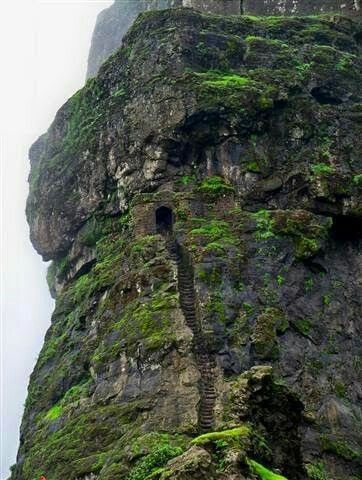
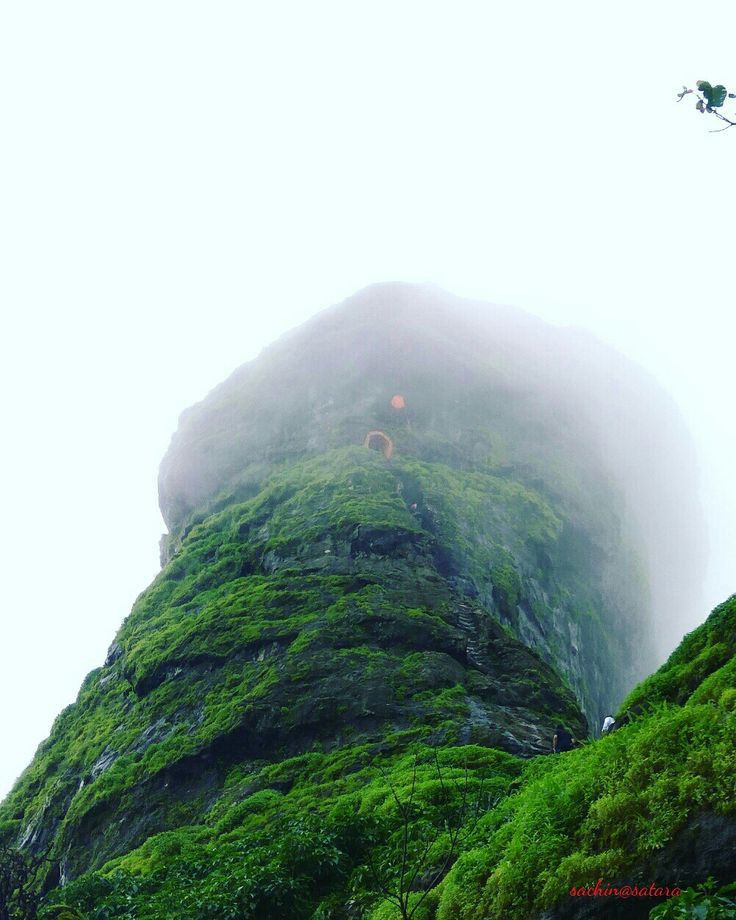
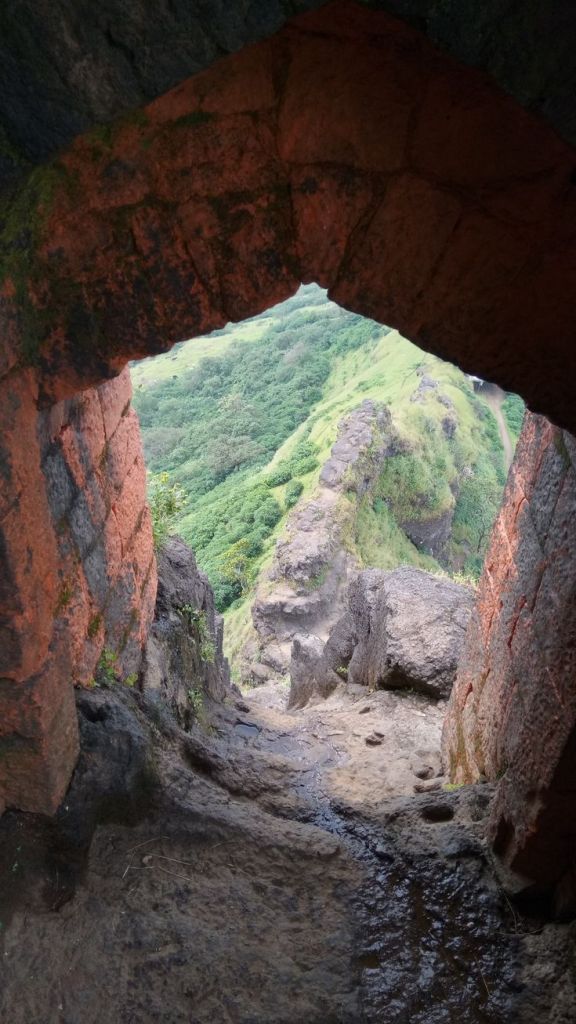
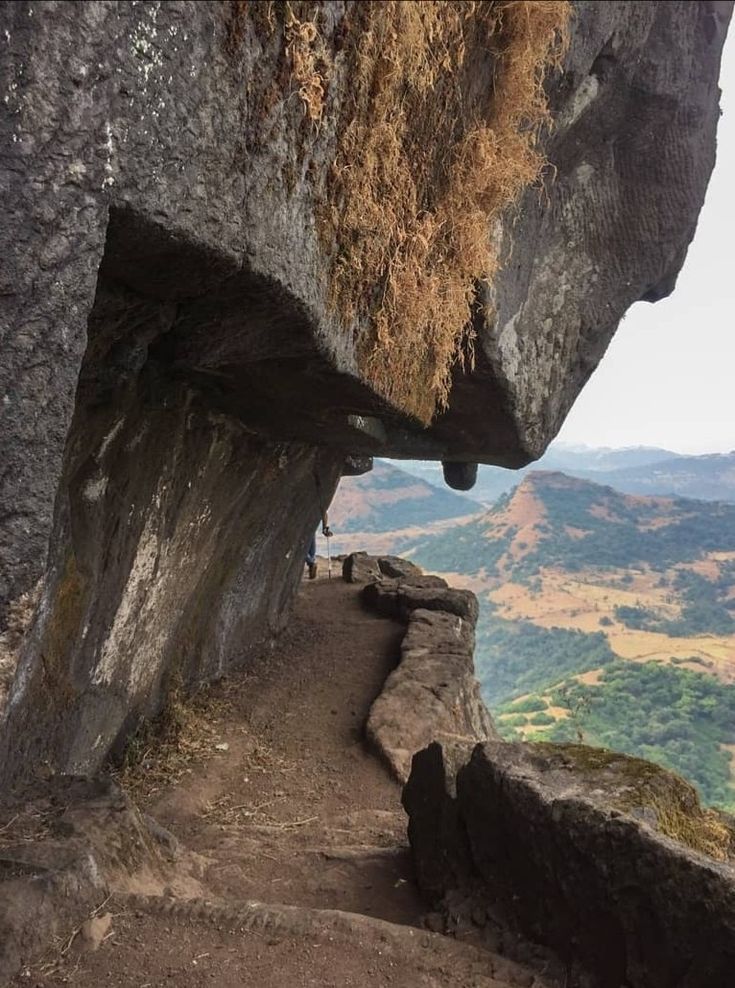
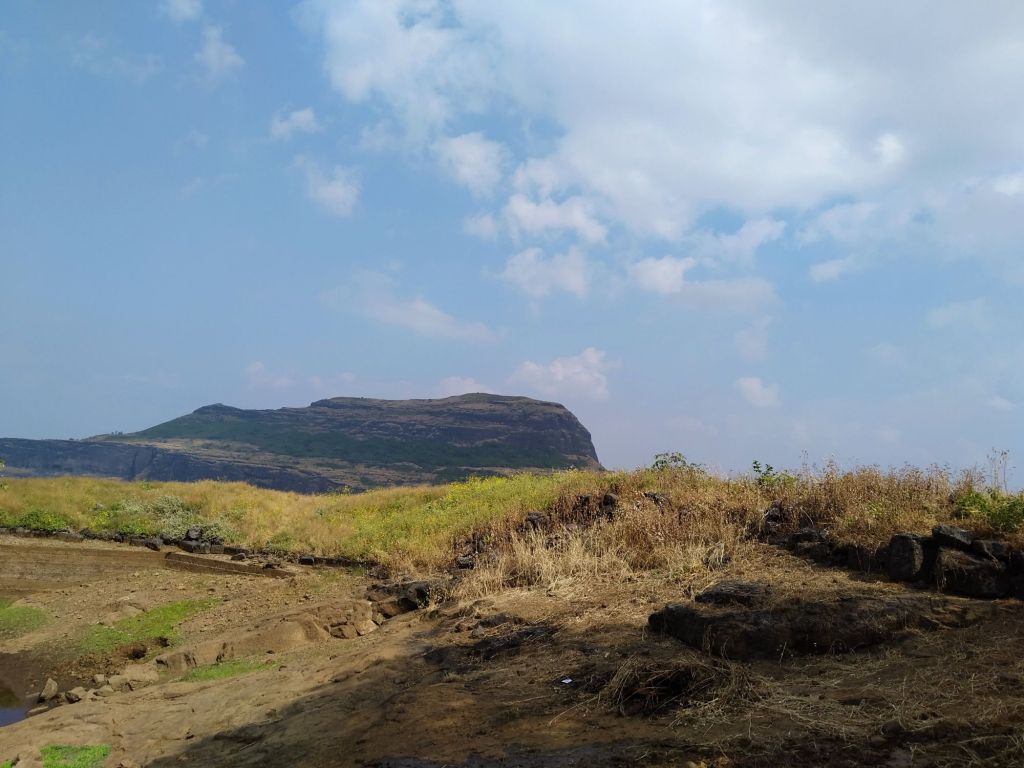
The Trek to Harihar Fort
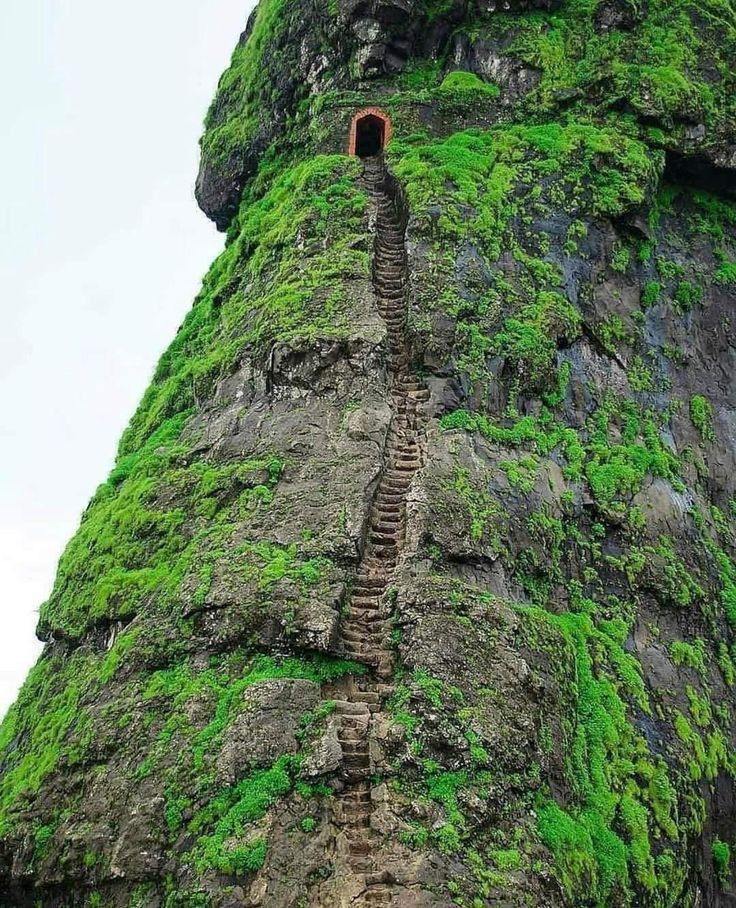
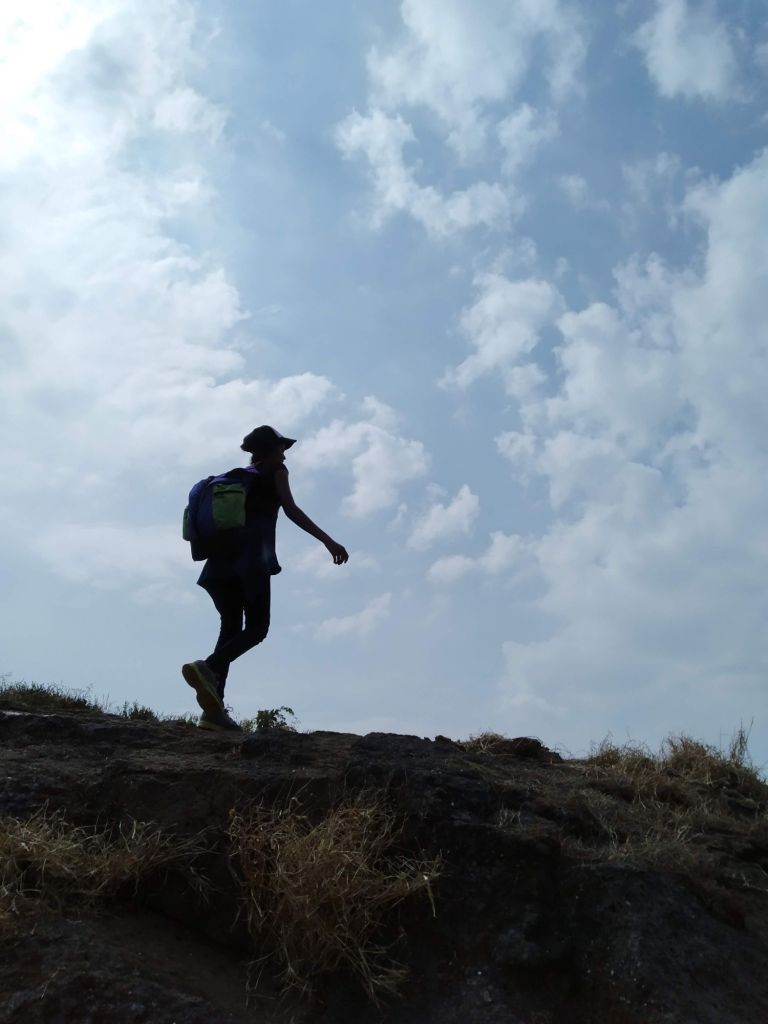
The trek to Harihar Fort is famous for its steep and narrow rock-cut steps, which provide an adrenaline-pumping experience. Here’s a detailed guide for trekkers:
- Starting Point: The trek usually begins from the base villages of Nirgudpada or Harshewadi. Both villages are well-connected to Nashik by road.
- Trek Duration: The trek typically takes about 3-4 hours to reach the top, depending on the starting point and the trekker’s pace.
- Difficulty Level: Moderate to difficult. The trek involves steep climbs and narrow paths, requiring caution and physical fitness.
- Unique Features:
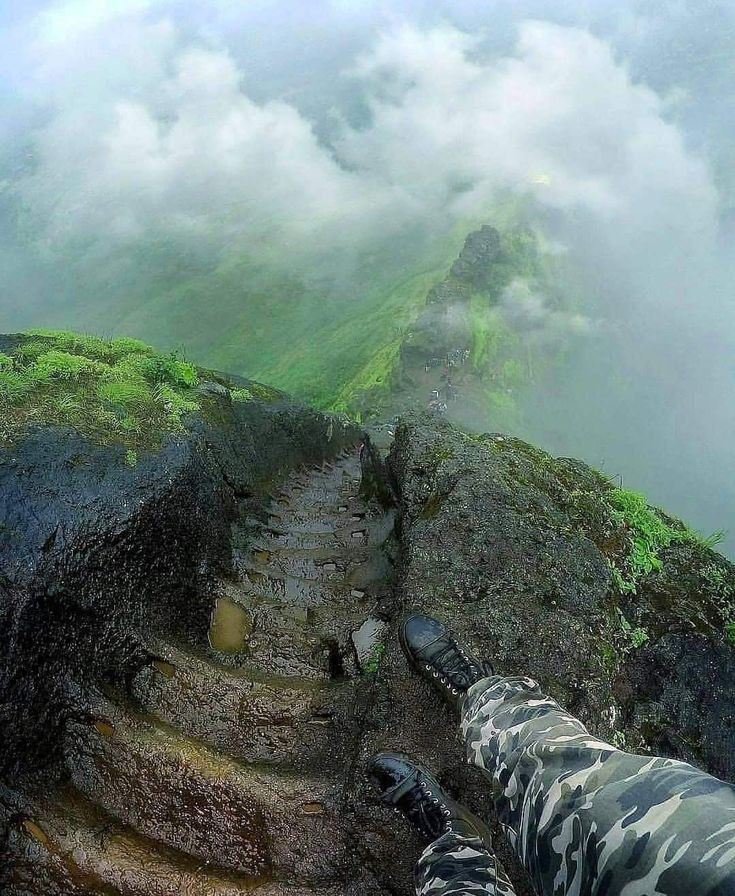
- Rock-Cut Steps: The highlight of the trek is the series of nearly vertical rock-cut steps leading to the fort. These steps, with their sheer drops on either side, offer a thrilling ascent.
- Triangular Citadel: The fort’s triangular shape is unique and provides panoramic views of the surrounding landscape.
- Water Tanks: The fort has several rock-cut water cisterns, which were crucial for its inhabitants.
Attractions at the Fort
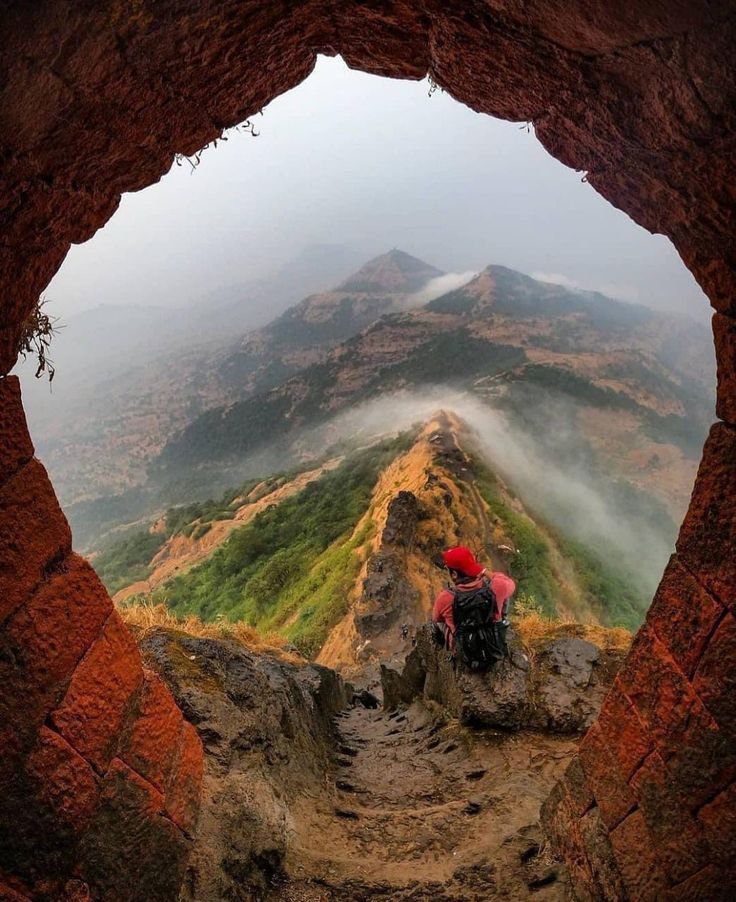
- Main Entrance: The main entrance, with its fortifications and steps, is a sight to behold. The narrow, steep steps carved into the rock face make for an exhilarating climb.
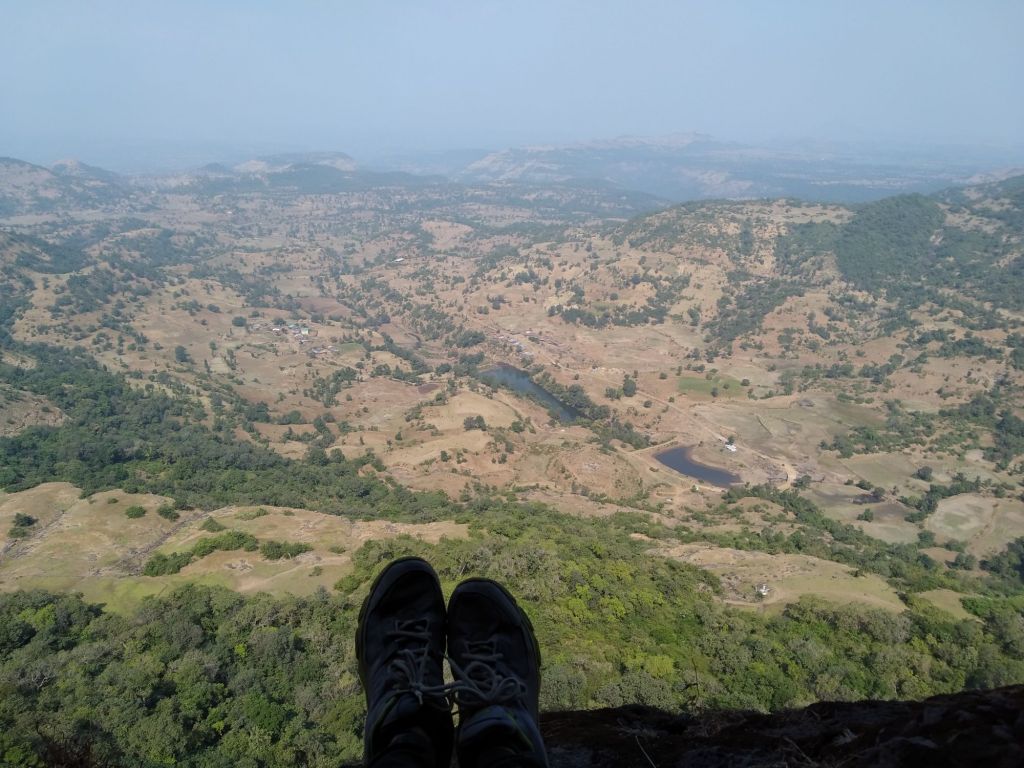
- Viewpoints: The fort offers stunning views of the Sahyadri range, including peaks like Bhaskargad, Anjaneri, and Brahmagiri. On a clear day, you can see the forts of Basgad and Tringalwadi in the distance.
- Fort Ruins: Explore the remnants of old buildings, storage rooms, and fortifications that provide a glimpse into the fort’s storied past.
Best Time to Visit
The best time to trek Harihar Fort is during the post-monsoon season (September to February) when the weather is pleasant, and the surrounding greenery is at its peak. The monsoon season (June to September) is also popular for trekkers who enjoy the lush landscapes and waterfalls, but it can be slippery and challenging.
Tips for Trekkers
- Safety First: Due to the steep and narrow steps, it is crucial to exercise caution, especially during the monsoon season when the steps can be slippery.
- Carry Essentials: Bring sufficient water, snacks, and a first-aid kit. Potable water is not available at the top.
- Proper Gear: Wear sturdy trekking shoes with a good grip, and consider using trekking poles for added stability.
- Local Guides: Hiring a local guide can enhance the experience, providing insights into the fort’s history and ensuring safety.
Conclusion
Harihar Fort is a remarkable blend of natural beauty, historical significance, and adventurous trekking. Whether you’re scaling the steep rock-cut steps or exploring the ruins at the summit, the fort promises a memorable experience. It stands as a testament to the architectural prowess of ancient builders and the strategic importance of hill forts in Maharashtra’s history.
So, pack your trekking gear, lace up your boots, and set out on an adventure to conquer the iconic Harihar Fort. Whether you’re a seasoned trekker or a history buff, Harihar Fort offers an unforgettable journey through time and nature.
 EliteExtant
You must be logged in to post a comment.